As AI-powered search engines like ChatGPT, Bing AI, and Google’s AI evolve, websites must adapt to a new AI first search environment. Traditional SEO strategies are still relevant, but preparing your website for AI-first indexing requires additional technical, content, and structured data optimizations to ensure your pages are understood and surfaced accurately by AI systems.
In this guide, we’ll cover practical steps to prepare your website for AI-first search indexing, strategies for improving discoverability, and tools to monitor AI-driven SEO performance.
Why AI First Indexing Matters
AI-first search indexing goes beyond traditional keyword-based indexing. It evaluates content quality, context, and user intent using natural language understanding. Preparing your website for this environment offers several benefits:
- Enhanced Visibility: Well-prepared pages are more likely to appear in AI-generated answers.
- Higher Engagement: AI surfaces the most relevant content, improving CTR and session duration.
- Future-Proof SEO: Adapting early ensures you maintain competitive advantage as AI search adoption grows.
Key Steps to Prepare Your Website
1. Optimize Content for AI Understanding
- Use clear headings and structured paragraphs.
- Incorporate semantic keywords and entities to provide context.
- Ensure your content answers user intent directly.
Reference: Advanced Schema Markup for Product Variants & Reviews
2. Implement Structured Data & Schema
- Add JSON-LD schema for all relevant content types.
- Validate schema regularly to prevent errors.
- Use rich snippet enhancements to increase AI visibility.
Reference: Troubleshooting Rich Snippet Errors in Google Search Console
3. Improve Crawlability and Indexation
- Ensure all important pages are reachable within 3 clicks.
- Submit updated XML sitemaps to search engines.
- Fix broken links, redirect chains, and orphan pages.
Reference: Identifying Orphan Pages and Improving Internal Linking for SEO
4. Optimize Performance and Core Web Vitals
- Minimize render-blocking scripts and CSS.
- Optimize images and implement lazy loading.
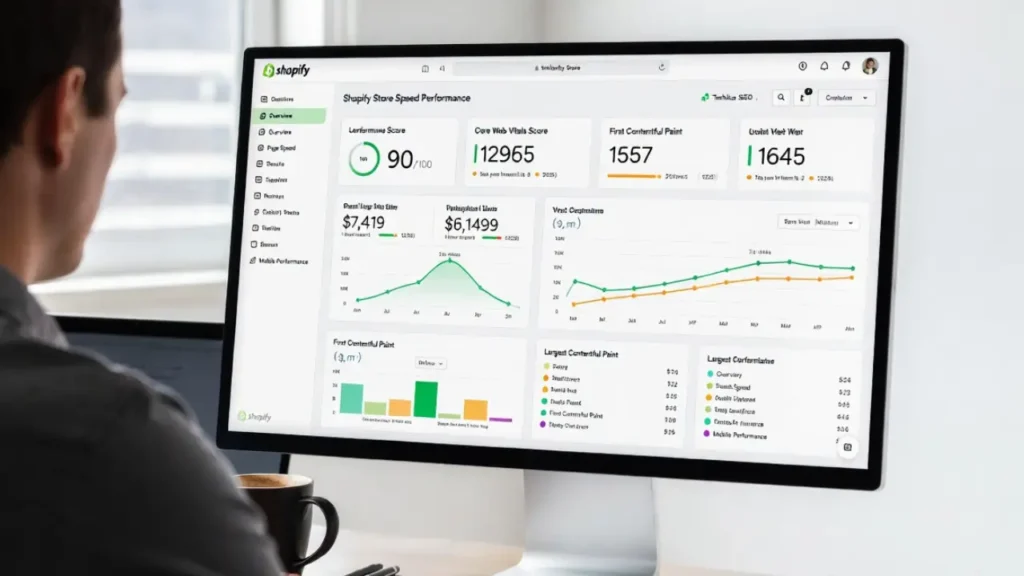
- Monitor Largest Contentful Paint (LCP), Cumulative Layout Shift (CLS), and First Input Delay (FID).
5. Leverage AI-Friendly Content Formats
- FAQs, lists, and step-by-step guides are easily digestible by AI systems.
- Structured tables for product specs or comparisons.
- Multimedia content with descriptive alt text for AI understanding.
Tools to Monitor AI-First SEO Performance
- Google Search Console – Track indexing, rich results, and structured data issues.
- Screaming Frog & DeepCrawl – Audit content and technical SEO.
- AI SEO Monitoring Tools – Tools like SurferSEO or Frase help optimize content for AI understanding.
Benefits of Preparing for AI-First Indexing
- Increased Organic Reach: AI surfaces high-quality, contextually relevant content.
- Better Engagement: AI-driven indexing prioritizes content aligned with user intent.
- Competitive Edge: Early adoption ensures better visibility as AI becomes dominant in search.
Final Thoughts
AI-first search indexing is the future of SEO. Preparing your website now by optimizing content, implementing structured data, improving crawlability, and monitoring performance ensures your site remains visible and competitive in AI-driven search results. Integrating these strategies into your SEO workflow is essential to stay ahead of evolving search technologies.
Need professional assistance preparing your website for AI-first search indexing? Contact us today:
Contact Cope Business