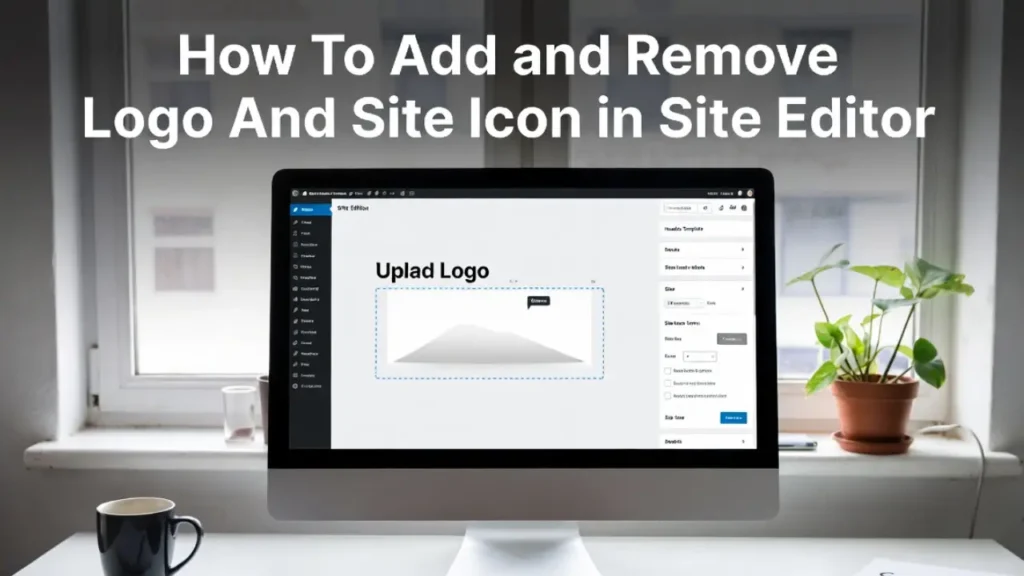
In 2026, the Site Editor has become the central hub for customizing almost every visual aspect of a WordPress website. One of the most common tasks users perform is adding or removing a logo and site icon (favicon). Whether you are launching a new site or refreshing an existing one, knowing exactly how to manage these branding elements inside the Site Editor saves time and ensures a professional appearance across all devices.
This comprehensive, step-by-step guide covers everything you need to know about working with logos and site icons directly in the Site Editor. You’ll learn the correct methods for block themes, best practices for different logo versions, troubleshooting tips, and how these changes affect your site’s branding and SEO.
By the end of this article, you will confidently add, replace, resize, and remove both your logo and site icon using only the Site Editor — no Customizer or extra plugins required in most cases.
Why Managing Logo and Site Icon in Site Editor Matters in 2026
The Site Editor gives you full visual control over headers, footers, templates, and global styles without touching code. Adding your logo in the Site Editor ensures it appears consistently across your entire site, while the site icon (favicon) appears in browser tabs, bookmarks, and mobile home screens.
Properly setting these elements in the Site Editor improves brand recognition, user trust, and even SEO performance. A well-designed logo and favicon make your site look polished and professional on every device.
Many users still struggle with this process because WordPress has shifted away from the old Customizer for block themes. Everything now happens visually inside the Site Editor, and the steps are slightly different depending on whether you are using a Site Logo block or global settings.
Understanding Logo vs Site Icon in WordPress
Before diving into the steps, it’s important to understand the difference:
- Logo: The main brand image displayed in your header (and sometimes footer). It can be large, colorful, or include text.
- Site Icon (Favicon): A small square image (recommended 512×512 pixels) that appears in browser tabs, bookmarks, and app icons. It is usually a simplified version of your logo.
In modern block themes, you can use the same image for both or set them separately. The Site Editor makes this process intuitive and visual.
Step-by-Step: How to Add a Logo in Site Editor
Here is the exact process to add or replace your logo using the Site Editor in 2026.
Step 1: Open the Site Editor
Log in to your WordPress dashboard. Go to Appearance → Editor. This opens the Site Editor for your active block theme.
Step 2: Navigate to the Header Template
In the Site Editor, click on the header area or select the Header template part from the list on the left. Most themes place the logo inside the header.
Step 3: Insert or Select the Site Logo Block
If your header already has a Site Logo block, click on it. If not, click the plus (+) inserter, search for “Site Logo”, and add the block.
Step 4: Upload or Select Your Logo
Click Add Site Logo or Replace. You can choose an existing image from the Media Library or upload a new image from your computer (recommended formats: PNG or SVG for best quality).
Step 5: Customize the Logo Settings
Once added, select the Site Logo block and adjust:
- Width and height (use the slider or enter exact pixels)
- Link to homepage (enabled by default)
- Alternative text (very important for accessibility and SEO)
- Style variations (if your theme supports light/dark mode logos)
Step 6: Save and Publish
Click Save in the top right. Your logo will now appear across the site wherever the header template is used.
How to Remove or Replace a Logo in Site Editor
To Replace the Logo:
- Open the Site Editor and go to the header.
- Click on the existing Site Logo block.
- Click the Replace button in the toolbar or block settings.
- Choose a new image from the Media Library or upload a fresh one.
- Adjust size and settings as needed, then save.
To Completely Remove the Logo:
- Select the Site Logo block in the header.
- Click the three dots (⋮) menu in the block toolbar.
- Choose Remove Site Logo or simply delete the block.
- If you want to keep the space clean, you can replace it with a Site Title block instead.
After removal, save the changes. The Site Editor will instantly update all pages using that header.
How to Add and Set a Site Icon (Favicon) in Site Editor
Method 1: Using the Site Logo Block (Recommended)
- Open the Site Editor and select the Site Logo block in your header.
- In the block settings sidebar, look for the toggle “Use as site icon”.
- Enable the toggle. WordPress will automatically use your logo (or a cropped version) as the favicon.
- For best results, upload a dedicated 512×512 pixel square image.
Method 2: Global Site Identity Settings
- In the Site Editor, click the Styles icon (paint brush) or go to the top navigation.
- Look for Site Identity or Global Settings.
- Find the Site Icon section and click to upload or select your favicon image.
Recommended Site Icon Specifications:
- Minimum size: 512 × 512 pixels
- Square format (PNG or ICO)
- Simple design that looks good at small sizes
How to Remove a Site Icon in Site Editor
- Go to the Site Editor.
- Select the Site Logo block (if you are using it as the icon).
- Disable the “Use as site icon” toggle.
- Alternatively, in Site Identity settings, click Remove or Reset next to the site icon.
WordPress will revert to the default blank icon until you upload a new one. Always save your changes after removal.
Advanced Tips for Logos and Site Icons in Site Editor
- Light and Dark Mode Logos: Upload two versions of your logo and use the Site Editor styles to assign different logos for light and dark backgrounds.
- Responsive Logo Behavior: Enable responsive sizing so your logo scales beautifully on mobile devices.
- Accessibility Best Practices: Always add descriptive alt text to your logo.
- Performance Optimization: Compress your logo and site icon files before uploading. Use SVG for logos when possible.
- Testing Across Devices: After changes in the Site Editor, preview your site on desktop, tablet, and mobile.
Common Problems and Troubleshooting in Site Editor
- Logo not appearing: Make sure the Site Logo block is inside the header template part.
- Favicon not updating: Clear browser cache, CDN cache, and server cache.
- Wrong size: Use the width/height controls in the block settings rather than resizing the image file itself.
Best Practices for Professional Branding in 2026
- Keep your logo simple and scalable.
- Use a dedicated square favicon — never stretch a rectangular logo.
- Maintain consistency across all marketing materials.
- Regularly review your branding in the Site Editor when updating your site design.
Ready to Customize Your Logo and Site Icon?
Managing your logo and site icon directly in the Site Editor is one of the quickest ways to give your WordPress site a professional, on-brand look. With the detailed steps above, you can now confidently add, replace, or remove these elements without leaving the visual editor.
If you need professional help with full site branding, custom block themes, or advanced Site Editor customizations, our team at Cope Business is ready to assist. Explore our full range of services on the services page or get in touch today via our contact page for a free consultation.
Thank you for reading this in-depth guide on how to add and remove logo and site icon in the Site Editor. Start updating your branding today and make your WordPress site stand out!
Frequently Asked Questions
To add a logo in the Site Editor, go to Appearance → Editor, open your header template, click the plus icon to add the Site Logo block, then upload or select your logo image from the media library. Adjust size and settings as needed, then click Save.
Select the Site Logo block in the header inside the Site Editor, click the three dots menu, and choose Remove Site Logo or simply delete the block. Save your changes to update the site.
A logo is the main branding image shown in your header, while a site icon (favicon) is a small square image that appears in browser tabs, bookmarks, and mobile home screens. The Site Editor allows you to set them separately or use the same image.
In the Site Editor, select the Site Logo block and enable the “Use as site icon” toggle, or go to Styles → Site Identity and upload a 512×512 pixel square image as your site icon.
Yes. Upload two versions of your logo and assign them using the Site Editor’s global styles or theme variations for light and dark mode.
This is usually due to browser or CDN cache. Clear your browser cache, purge any CDN cache, and wait a few minutes. Also ensure the Site Logo block is placed correctly in the header template.
The recommended size for a site icon is 512 × 512 pixels in square format (PNG or ICO). This ensures it looks sharp on all devices and browsers.
Yes. In the Site Editor, go to the Site Logo block and disable the “Use as site icon” option, or remove the image from Site Identity settings. WordPress will then show a default blank icon.
Yes. Since the header is usually a shared template part, any changes made to the logo in the Site Editor will automatically apply across all pages that use that header.
No. The Site Editor is completely visual and no-code. You can add, replace, or remove your logo and site icon using only the block interface and drag-and-drop tools.