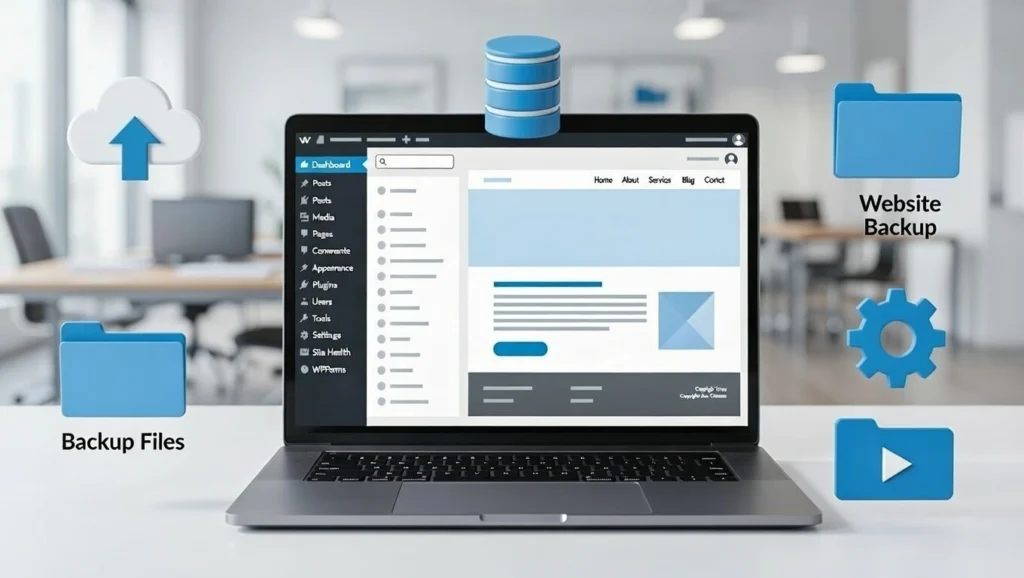
Having a reliable WordPress backup is essential for site recovery, but sometimes you need to view or test the backup as a working website—without affecting your live site. This allows you to check for issues, preview changes, or verify data before a full restore. At Cope Business, we often preview backups during our technical SEO audit services to ensure smooth migrations and optimizations. This guide covers two straightforward methods to view your WordPress backup as a website, using plugins for simplicity or manual setup for control.
On this page
ToggleWhether you’re troubleshooting, testing updates, or recovering from a hack, these steps will help you access your backup safely.
Why View a WordPress Backup as a Website?
- Testing Purposes: Verify the backup is complete and functional.
- Safe Experimentation: Make changes without risking your live site.
- Recovery Preview: Check for errors before full restore.
- SEO & Performance Check: Ensure links, images, and speed are intact.
Viewing backups prevents surprises during critical restores.
Prerequisites
- A full WordPress backup (files + database) from plugins like UpdraftPlus or Duplicator.
- Access to hosting/FTP for file transfers.
- A local environment (like LocalWP) or staging site for testing.
Method 1: Using a Plugin (Recommended for Beginners)
Plugins like Duplicator make previewing backups easy by creating a duplicate site.
Steps with Duplicator
- Install and activate Duplicator on your live site (free version works for basics; Pro for advanced).
- Create a new package: Go to Duplicator > Packages > Create New.
- Follow the wizard: Scan for issues, build the package (zip file + installer.php).
- Download the package files.
- To view as a website:
- Upload to a local server (use LocalWP) or staging subdomain.
- Run installer.php in a browser—follow prompts to install the backup as a new site.
- Log in and explore—the duplicate runs like your live site.
Alternative Plugin: UpdraftPlus (free) with UpdraftClone add-on for one-click staging previews.
Pros: Simple, no manual database work. Cons: Requires hosting space for the preview site.
Method 2: Manual Setup (For Advanced Users)
Restore the backup locally or on staging for full control.
Steps
- Set up a local environment: Install LocalWP (free) or XAMPP.
- Download your backup: Files (zip) and database (.sql) from your host or plugin.
- Create a new site in LocalWP.
- Import files: Unzip to the site’s root folder.
- Import database: Use phpMyAdmin (built-in) to create a new DB and import .sql.
- Update wp-config.php: Set new DB credentials.
- Search/replace URLs: Use Better Search Replace plugin to swap live URLs with local (e.g., site.com → local.site.com).
- Log in and view—the backup runs as a full website.
For staging: Use your host’s staging tool (e.g., SiteGround Staging) and import the backup there.
Pros: Complete control, no extra plugins. Cons: More technical; risk of errors if not careful.
Best Practices After Viewing Your Backup
- Test Thoroughly: Check links, forms, plugins, and mobile responsiveness.
- Clean Up: Delete temporary previews to save space.
- Security: Change passwords in previews to avoid risks.
- Performance Check: Optimize if needed (see our speed guide).
- Regular Backups: Automate with UpdraftPlus to always have fresh copies.
Viewing backups as websites ensures reliable restores and peace of mind.
Final Thoughts
Previewing WordPress backups as functional sites is a smart way to test and troubleshoot without live risks. Use Duplicator for ease or manual methods for flexibility—either way, it’s a valuable skill for site management.
A well-tested backup system protects your site’s SEO and data.
Need help with backups, previews, or full site recovery? Contact Cope Business for a free technical SEO consultation—we’ll set up robust backup solutions tailored to your needs.