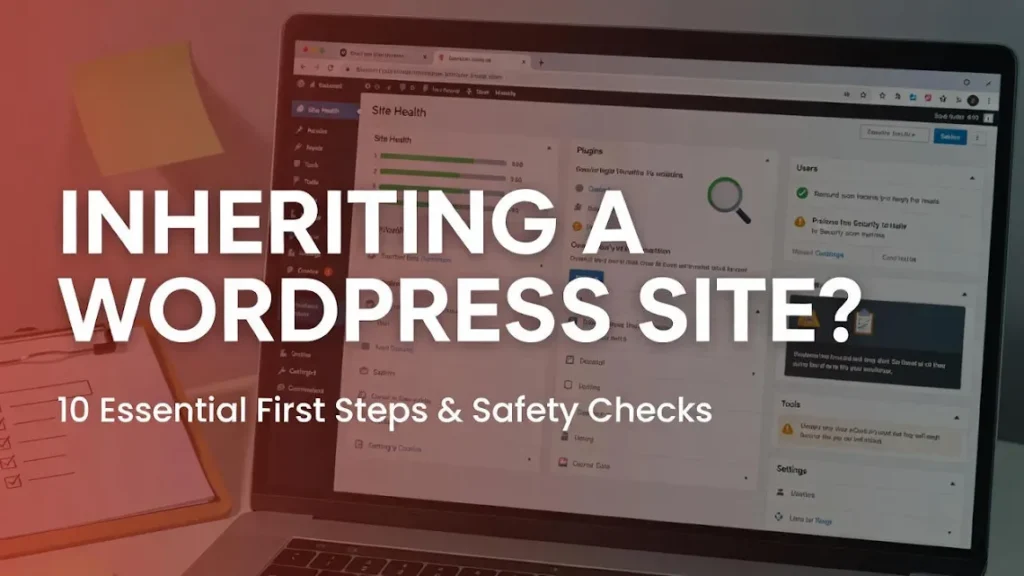
Inheriting WordPress site—whether from a client, previous developer, or acquisition—can be exciting but overwhelming. Without a proper handover, you risk security vulnerabilities, performance issues, or lost functionality that could harm rankings and user experience. At Cope Business, we’ve assisted many clients in smoothly transitioning sites during our technical SEO audit services, uncovering hidden problems and optimizing for long-term success. This 2026 guide outlines 10 critical steps to take control, secure the site, and set it up for growth.
Follow these to minimize risks and ensure a seamless takeover. For professional assistance with audits or optimizations, contact us for a free consultation.
1. Gather All Passwords and Access Details
Start by collecting every login credential to avoid lockouts.
- Request usernames/passwords for hosting, FTP, domain registrar, CDN, email marketing tools, premium plugins, and third-party services.
- Schedule a call with the previous owner or developer for a walkthrough.
- Use a secure password manager like LastPass to store and organize them.
This ensures full access and prevents reliance on outdated info.
2. Update All Admin Passwords and Emails
Secure your new site immediately.
- Change passwords for all admin users in Users > All Users.
- Update the site admin email in Settings > General to your own.
- Install WP Mail SMTP if emails aren’t delivering reliably.
This revokes previous access and routes notifications to you.
3. Document and Familiarize Yourself with the Site
Take notes to understand the site’s setup.
- Review plugins, themes, widgets, and custom features.
- Document key functionalities and contact the previous team for clarifications.
- Use tools like Google Docs for organized notes on essential elements.
This helps you maintain and build upon the existing structure.
4. Implement an Automated Backup Solution
Protect against data loss from the start.
- Install UpdraftPlus or Duplicator for scheduled backups to remote storage (e.g., Google Drive).
- Create a full backup before making any changes.
- Test restores to ensure reliability.
Regular backups allow quick recovery if issues arise during the transition.
5. Review and Adjust User Roles and Permissions
Limit access to what’s necessary.
- Audit users in Users > All Users and reduce admin roles.
- Assign appropriate permissions (e.g., editor for content creators).
- Disable or delete inactive accounts, and create new ones if needed.
This enhances security by minimizing high-level access points.
6. Perform Security and Performance Scans
Identify vulnerabilities early.
- Run a security scan with Sucuri or Wordfence to detect malware or threats.
- Check performance with tools like GTmetrix or PageSpeed Insights.
- Enable caching and a CDN if not already set up.
Address findings to boost speed and safety—consider our WordPress speed optimization services for deeper tuning.
7. Verify Tracking and SEO Integrations
Ensure data and search visibility transfer smoothly.
- Confirm Google Analytics setup (e.g., via MonsterInsights).
- Access and update Google Search Console with new sitemaps.
- Install or configure All in One SEO for meta tweaks and schema.
This prevents SEO drops and maintains tracking accuracy.
8. Set Up Version Control or a Staging Site
Test changes safely.
- Use Git (via hosting or plugins) for version control.
- Create a staging environment (many hosts like SiteGround offer this) for previews.
- Push changes from staging to live once verified.
This avoids breaking the live site during updates.
9. Conduct a Thorough Site Cleanup
Remove unnecessary elements.
- Deactivate and delete unused plugins/themes.
- Clean the database of orphaned data via phpMyAdmin or plugins like WP-Optimize.
- Scan for and remove leftover code from deleted items.
Cleanup improves performance and reduces security risks.
10. Review and Update Plugin Settings
Customize configurations for your needs.
- Check each plugin’s options (e.g., form notifications, SEO social profiles).
- Test features like contact forms and integrations.
- Update any outdated references to previous owners or branding.
This ensures the site aligns with your goals and operates smoothly.
Final Thoughts and Pro Tips
Inheriting a WordPress site is an opportunity to optimize and grow—focus on security, performance, and SEO from day one to avoid costly issues later. Always backup before changes, and consider a professional audit to uncover hidden problems.
Additional tips:
- Regenerate security keys in wp-config.php.
- Scan themes for suspicious code with TAC plugin.
- Document everything in a shared file for future reference.
If you’re taking over a site and need expert help with audits, migrations, or optimizations, contact Cope Business for a free technical SEO consultation—we’ll ensure a smooth handover.