Publishing excellent content on WordPress is only half the battle—getting it found by the right audience requires smart search engine optimization. While WordPress offers a solid SEO-friendly foundation out of the box, proper configuration and consistent practices are what separate top-ranking sites from the rest. At Cope Business, we specialize in building sustainable organic growth through our technical SEO audit services, helping clients turn their WordPress sites into traffic magnets. This beginner-focused guide provides actionable steps to set up, optimize, and maintain your site for better search performance and beyond.
Perfect for new bloggers, small businesses, or anyone managing a WordPress site, these strategies will help you attract more organic visitors over time. Need hands-on support with complex issues? Check out our Google Search Console fixing services.
On this page
ToggleEssential WordPress SEO Configuration Steps
Lay the groundwork before creating content to avoid fixes later.
1. Allow Search Engines to Index Your Site
Head to Settings > Reading and ensure “Discourage search engines from indexing this site” is unchecked. This simple toggle is often overlooked and prevents your site from appearing in Google.
2. Set Up Clean, Readable URLs
In Settings > Permalinks, choose Post name for keyword-friendly links. This creates URLs like yoursite.com/your-post-title/ instead of numeric defaults. For advanced customization, refer to our detailed custom permalinks tutorial.
3. Choose Consistent Domain Format (WWW or Non-WWW)
Set both WordPress Address and Site Address in Settings > General to the same format (with or without www). Enforce your choice with 301 redirects to avoid duplicate content penalties.
Choosing and Configuring the Right SEO Plugin
A dedicated plugin handles many technical tasks automatically.
Top Recommendation: All in One SEO (AIOSEO)
Install the free AIOSEO plugin and run the setup wizard. It’s powerful yet beginner-friendly, used by millions of sites.
Must-Enable Features Right Away
- XML Sitemaps – Auto-generated for easy submission to Google.
- Search Console Connection – Monitor impressions, clicks, and errors inside WordPress.
- On-Page Analysis – Real-time TruSEO scores and suggestions for titles, descriptions, and keywords.
- Rich Snippets & Schema – Add structured data for featured snippets and rich results.
For local businesses, activate Local SEO to include location schema, maps, and opening hours.
On-Page Optimization Checklist for Every Post/Page
Apply these every time you publish or update content:
- Research realistic keywords using Google suggestions or free tools.
- Include your primary keyword naturally in the title, introduction, one heading, and body.
- Craft engaging SEO titles (under 60 characters) and meta descriptions (under 160 characters).
- Add internal links to related pages and credible external sources.
- Write descriptive alt text for images.
- Format for readability: short paragraphs, lists, subheadings, and clear language.
- Enable breadcrumbs for improved navigation and crawlability.
Proven WordPress SEO Best Practices
Organize Content with Categories and Tags
Use categories for main topics and tags sparingly for specific details—overuse creates thin content.
Strengthen Internal Linking
Link relevant posts to pass authority and keep visitors longer. AIOSEO’s Link Assistant can suggest opportunities automatically.
Implement Schema Markup
Add FAQ, How-To, Article, Product, or Review schema to qualify for rich search results.
Manage Archives and Comments
Show excerpts on archive pages (Settings > Reading) to avoid duplicate full posts. Paginate long comment threads to reduce page bloat.
Handle External Links Properly
Nofollow affiliate or low-trust links to preserve link equity.
Technical SEO: Speed, Security & Performance
Boost Loading Speed
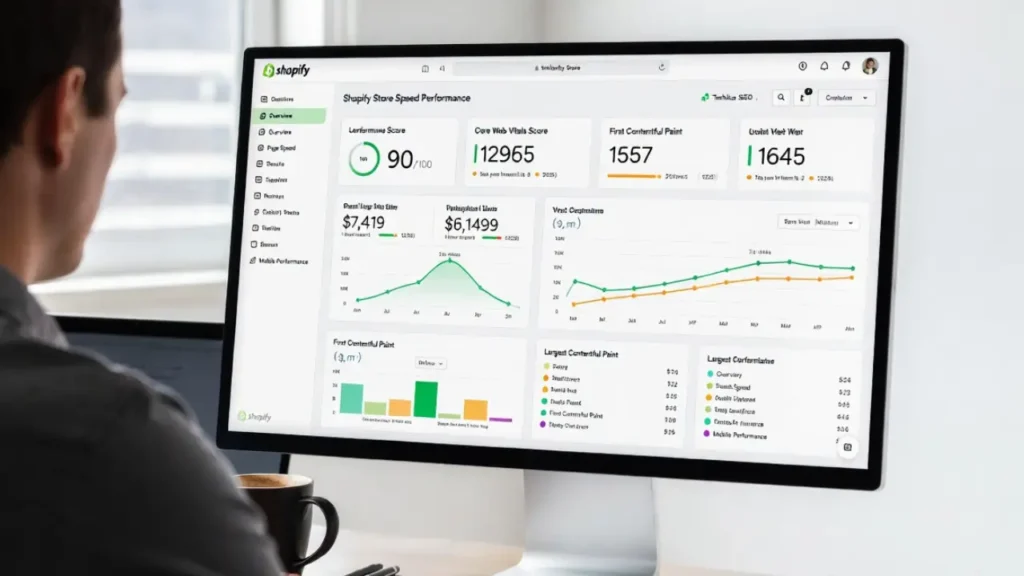
Fast sites rank higher and retain visitors. Use caching, image compression, and a CDN. Professional tuning available via our WordPress speed optimization services.
Optimize Images Properly
Rename files descriptively, compress them, and use next-gen formats like WebP. Enable lazy loading for off-screen images.
Switch to HTTPS
Secure your site with a free Let’s Encrypt certificate. Full instructions in our SSL/HTTPS setup guide.
Maintain Strong Security
Keep WordPress, themes, and plugins updated. Use strong passwords and security plugins to protect against attacks that could harm rankings.
Helpful Tools & Next Steps
- Keyword ideas: Google Keyword Planner, AnswerThePublic
- Analytics: MonsterInsights for Google Analytics integration
- Backlink health: Our toxic backlink analysis
- Indexing: Submit sitemaps and request recrawls in Search Console
Frequently Asked Questions
Consistent effort typically shows results in 3–12 months, depending on competition.
Yes—clean code and structure—but plugins and optimization are needed to compete.
Beginners can follow this guide for strong results; larger or competitive sites often benefit from expert help.
Start applying these steps today for long-term growth. Ready for a professional review? Contact Cope Business for a free technical SEO audit and personalized recommendations.