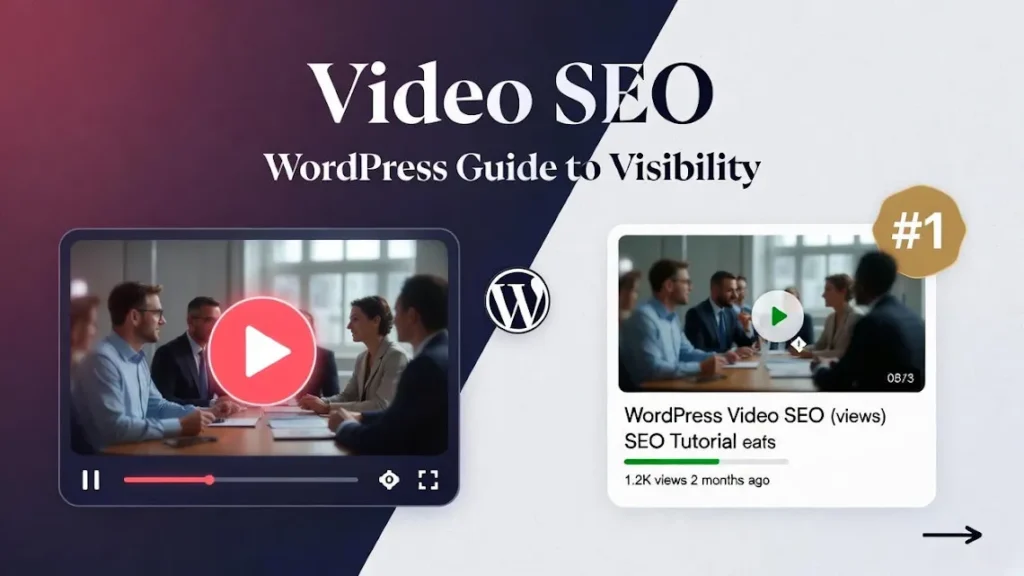
Videos are one of the most engaging content types on the web, yet many WordPress site owners miss out on valuable search traffic because their videos aren’t properly optimized. Effective Video SEO helps your embedded or self-hosted videos rank in Google search results, Google Video tab, YouTube (if linked), and even Discover feeds. At Cope Business, we frequently enhance video performance during our technical SEO audit services, uncovering missed opportunities like missing schema or poor embedding practices. This practical guide shows you how to implement Video SEO on your WordPress site for better visibility and engagement.
Whether you embed YouTube/Vimeo videos or self-host them, these steps will make your content more discoverable. For related indexing issues, our Google Search Console fixing services can ensure videos are crawled efficiently.
Why Video SEO Matters for Your WordPress Site
Google treats videos as a distinct content type and often displays them prominently in universal search results. Proper optimization signals relevance, improves click-through rates, and can drive significant organic traffic.
Key Benefits
- Higher rankings in video-rich search features.
- Increased dwell time and user engagement.
- Better chances of appearing in Google Discover and video carousels.
- Enhanced accessibility and crawlability for search bots.
Without Video SEO, your videos may remain hidden even if the surrounding page ranks well. If toxic backlinks are affecting your overall domain authority, our toxic backlink analysis can help strengthen your site’s profile.
Best Practices for Embedding Videos in WordPress
The way you embed videos impacts both user experience and SEO signals.
1. Prefer Embedding Over Self-Hosting
Embedding from YouTube or Vimeo is recommended for most sites:
- Faster loading (videos served from their CDNs).
- Built-in playback features and accessibility.
- Automatic hosting of thumbnails and transcripts.
Use WordPress’s native oEmbed: simply paste the video URL into the editor on its own line. It auto-embeds responsively.
2. Use Responsive Embeds
WordPress core handles responsiveness, but ensure your theme doesn’t override it. Add custom CSS if needed for perfect fit on mobile devices.
3. Enable Lazy Loading
Lazy-load embedded iframes to improve page speed and Core Web Vitals. Many caching plugins (e.g., WP Rocket) offer this option natively.
For sites with heavy media, combine with our WordPress speed optimization services to maximize performance gains.
Adding Video Schema Markup (Essential for Rich Results)
Video schema (structured data) tells Google exactly what your video is about, enabling rich snippets with thumbnails, duration, and play buttons in search results.
Recommended Method: All in One SEO Plugin
- Install and activate All in One SEO (free version works).
- Edit your post/page containing the video.
- In the AIOSEO settings panel, scroll to Schema tab.
- Select “Video” as the schema type.
- Fill in details: title, description, thumbnail URL, upload date, duration, embed URL.
- Publish/update the page.
AIOSEO automatically generates and validates the JSON-LD markup. Test it using Google’s Rich Results Test tool.
Alternative: Yoast SEO also supports video schema in its premium version or via custom code.
Creating and Submitting a Video Sitemap
A dedicated video sitemap helps Google discover and index your videos faster, especially on larger sites.
Steps with AIOSEO
- Go to All in One SEO > Sitemaps > Video Sitemap tab.
- Enable the video sitemap feature.
- Select post types that contain videos (posts, pages, custom types).
- Save changes—AIOSEO auto-generates video-sitemap.xml.
- Submit the URL in Google Search Console under Sitemaps.
This complements your main XML sitemap and prioritizes video content.
Optimizing Video Thumbnails and Metadata
Compelling thumbnails drive clicks in search results.
Best Practices
- Use high-quality, custom thumbnails (1280×720 recommended, 16:9 ratio).
- Include text overlays with key phrases or questions.
- Upload custom thumbnails to YouTube/Vimeo, then embed.
- Ensure the thumbnail URL is included in your video schema.
Add descriptive titles and captions/transcripts for accessibility and keyword relevance.
Additional Video SEO Tips for WordPress
- Transcripts & Closed Captions: Embed transcripts below videos and enable captions on hosted platforms—Google can crawl the text.
- Video Page Optimization: Treat video posts like regular content—strong titles, meta descriptions, headings, and surrounding text.
- Internal Linking: Link to video pages from related articles to pass authority.
- Playlist Embedding: For series, embed playlists to increase watch time.
- Monitor Performance: Use Google Search Console’s Video enhancement report to spot indexing issues.
For traffic recovery after video-related updates, our traffic recovery services can help diagnose and resolve drops.
Common Questions About Video SEO
Only for full control (e.g., membership sites); embedding is better for SEO and speed on most blogs.
Indirectly—Google favors well-optimized embedded videos, which can drive views back to your channel.
Proper schema and sitemaps can show results in days to weeks; request indexing via Search Console for priority pages.
Final Thoughts
Implementing these Video SEO techniques can significantly expand your content’s reach beyond traditional text results. Start with schema markup and embedding best practices for the biggest impact.
For a complete audit of your site’s video performance or custom implementation, contact Cope Business for a free technical SEO consultation.