
Local SEO is far from just another marketing trend—it’s the lifeline for local retail businesses. Whether you own a cozy boutique, a neighborhood grocery store, or a community hardware shop, appearing in local search results when potential customers are looking for products or services like yours can be the difference between steady foot traffic and missed opportunities.
By mastering local SEO, you can make sure your business stands out online and connects with nearby customers. In this guide, we’ll explore the best SEO tactics that can help your retail business thrive in today’s competitive market.
1. Claim and Optimize Your Google Business Profile (GBP)
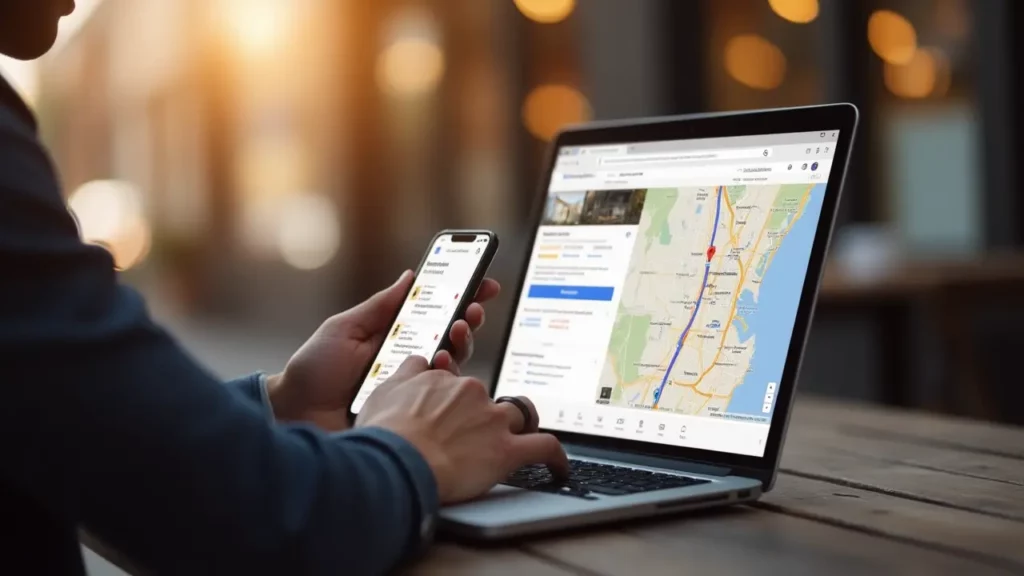
Your Google Business Profile (GBP) is often the first impression potential customers get of your business. Ensuring that your GBP is fully optimized can give you an edge over your competitors and help you attract local traffic.
Actionable Steps:
- Claim and verify your business. This step is crucial as it ensures you appear on Google Search and Maps.
- Choose the right categories. Specific categories like “Organic Grocery Store” instead of just “Grocery Store” can help attract more relevant customers.
- Upload high-quality images regularly, showcasing your products and store ambiance to build credibility and trust.
- Post regularly to GBP. Update your profile with sales, new arrivals, or special events to keep your profile active and engaging.
Real-Life Insight: Many businesses that consistently update their Google Business Profile experience noticeable improvements in visibility and customer interaction. Regular posting and engaging with customer reviews can significantly boost local engagement.
2. Focus on Local Keywords (Long-Tail Keywords)
Using local keywords is essential for driving targeted traffic to your website and store. When you optimize for more specific, long-tail keywords that include your location, you can increase your chances of being discovered by nearby customers who are actively searching for what you offer.
Actionable Steps:
- Use local tools to research long-tail keywords that include your city or neighborhood name. For example, if you run a pet store, use terms like “dog food in [City Name]” or “best pet shop near [Neighborhood].”
- Optimize your website’s content, including product descriptions and blog posts, with these keywords.
- Think about how people use voice search, and integrate natural, conversational language. For instance, someone might say, “Where is the best coffee shop in [City]?”
Real-Life Insight: Local businesses that focus on specific, location-based search terms are more likely to rank higher for relevant queries, which means they get discovered by people looking for their exact services or products in their area.
3. Create Local Landing Pages for Each Location
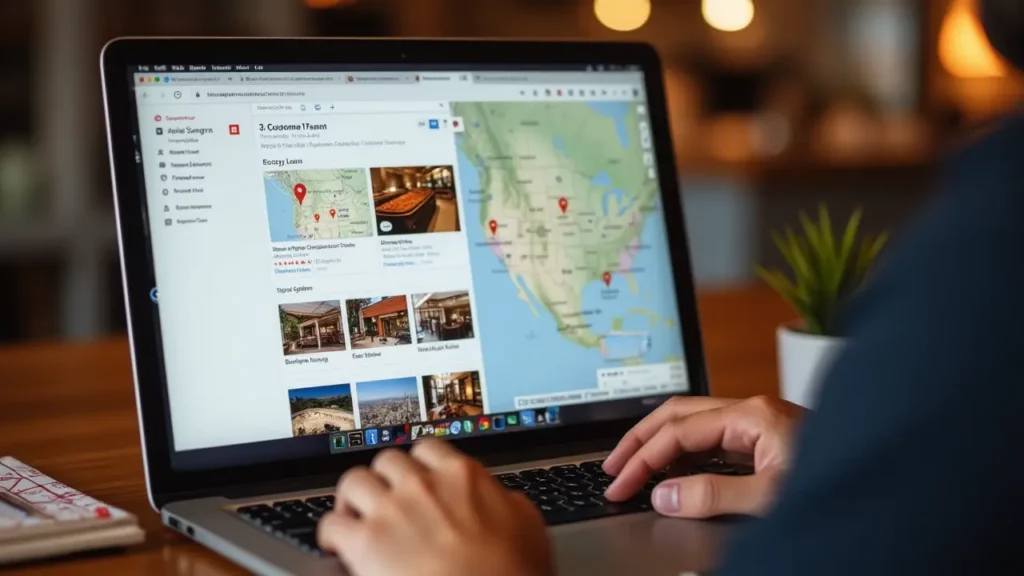
If you operate multiple locations or serve different areas, having a dedicated landing page for each location is crucial for local SEO success. These pages allow you to target specific regions with tailored content and improve your chances of ranking higher in local search results.
Actionable Steps:
- Create unique landing pages for each of your locations, complete with relevant local information and customer-centric content.
- Mention landmarks or events near your location to make the page more relatable to locals.
- Optimize the page with local product/service descriptions, as well as local testimonials or success stories.
Real-Life Insight: Businesses with multiple locations that create individual pages for each site often see a significant increase in localized search traffic and improved local rankings for each area.
4. Encourage Customer Reviews & Respond to Them
Customer reviews are not only critical for building trust but also for improving your local SEO rankings. Google uses reviews as a signal of business legitimacy, so gathering positive feedback is vital.
Actionable Steps:
- Encourage your customers to leave reviews by asking them directly after a positive interaction, either in-store or via follow-up emails.
- Respond to all reviews—both positive and negative. This shows you value customer feedback and care about their experience.
- Use positive reviews to highlight strengths on your website and Google Business Profile.
Real-Life Insight: Businesses that actively engage with customer reviews often see increased customer trust and loyalty, which translates to better rankings in local search results.
5. Produce Locally Relevant Content
Creating content that resonates with your local audience helps you connect with your community while also improving your search engine rankings. It’s essential to focus on content that speaks to the local area, events, and interests.
Actionable Steps:
- Write blog posts that are relevant to your local community, such as “Top 10 Things to Do in [City]” or “Best Products for [Seasonal Event] in [Neighborhood].”
- Feature local customer success stories or behind-the-scenes looks at how your products or services contribute to the local community.
- Share content related to local events, holidays, and causes that matter to your audience.
Real-Life Insight: By focusing on creating locally relevant content, businesses are able to drive more targeted traffic, as local consumers are more likely to engage with content that speaks directly to their interests and needs.
6. Build Local Backlinks
Building off-page SEO strategies, like acquiring backlinks from reputable local websites, acts as a vote of confidence for your business. These local backlinks help establish authority and improve rankings in search engines for location-based queries.
Actionable Steps:
- Seek opportunities to sponsor local events, charities, or community organizations in exchange for backlinks from their websites.
- Reach out to local bloggers or influencers to feature your business or write guest posts that link back to your site.
- Make sure your business is listed in local directories such as Yelp, Yellow Pages, and other niche websites relevant to your industry.
Real-Life Insight: Local businesses that build relationships with community websites or partner with local organizations often see significant improvements in their search engine rankings and local visibility.
7. Optimize Your Website for Mobile & Voice Search
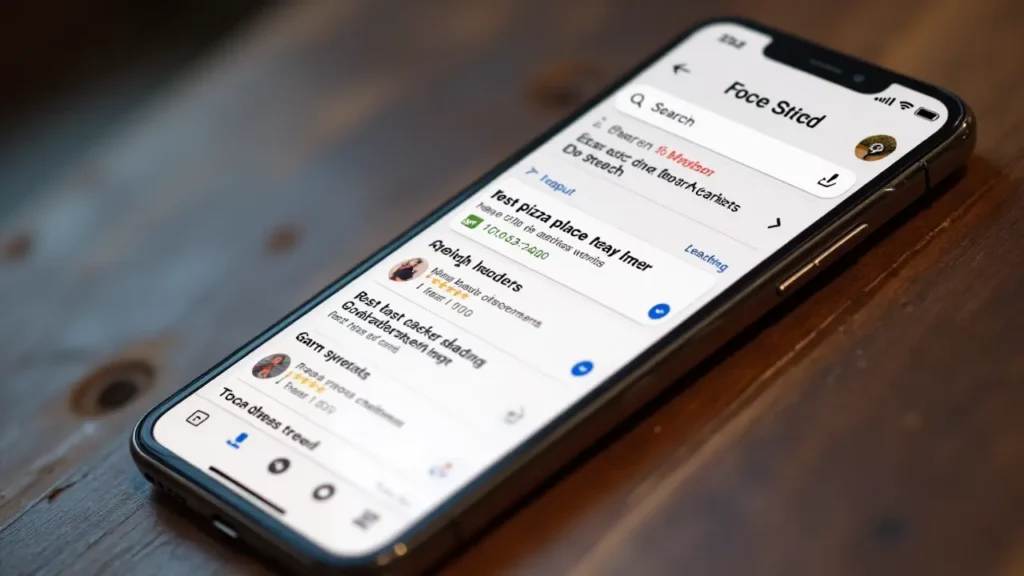
With more and more consumers using smartphones to search for local businesses, having a mobile-friendly website is no longer optional. In addition, optimizing for voice search is becoming increasingly important.
Actionable Steps:
- Ensure your website is mobile-responsive, meaning it looks great and functions properly across all devices, especially smartphones.
- Focus on fast load times. Users are likely to abandon a website if it takes too long to load, which can negatively impact your ability to increase website traffic.
- Optimize for voice search by including conversational keywords and answering common customer questions in your content.
Real-Life Insight: Businesses that optimize their websites for mobile-first experiences and voice search have seen an increase in traffic, engagement, and conversions, as mobile users are often ready to take action, whether it’s calling or visiting the store.
8. Voice Search Optimization for Local Retail Businesses
With the rise of voice-activated devices, optimizing for voice search is crucial for local retail businesses. Voice queries are often longer, conversational, and location-based. People commonly ask questions like, “Where’s the nearest coffee shop?” or “What time does the hardware store close?”
To ensure your business is found, focus on optimizing your content for these types of queries.
Actionable Steps:
- Use Conversational Keywords: Target long-tail, natural phrases like “best pet shop near me” instead of just “pet shop.”
- Create an FAQ Section: Answer common local questions such as “What are your store hours?” or “Do you deliver in [City]?” in a concise, easy-to-read format.
- Emphasize Local Intent: Include location-based keywords like “[City Name] shoe store” to capture local searches.
- Optimize for Featured Snippets: Structure content to directly answer questions, using bullet points or lists to increase the chances of being featured in voice search results.
- Ensure Mobile Optimization: Most voice searches happen on mobile, so ensure your website is mobile-friendly with fast loading times.
Real-Life Insight: A local café in [City] added answers to voice search questions like “What time does [Café Name] open?” in their FAQ. After optimizing their website, they saw a 20% boost in local search visibility.
9. Leverage Social Media for Local Engagement
While social media doesn’t directly impact SEO rankings, it’s crucial for building brand awareness and customer engagement. Being active on social media platforms helps to increase your local reach and connect with your community.
Actionable Steps:
- Regularly post on platforms like Facebook, Instagram, and TikTok to keep your audience engaged.
- Use location tags and local hashtags in your posts to increase visibility among local consumers.
- Participate in local groups or forums to raise awareness about your business.
Real-Life Insight: Businesses that actively post and engage with their local social media followers often see increased foot traffic and local online sales, as consumers enjoy supporting businesses they follow on social platforms.
10. Claim and Optimize Your Business Listings

Apart from your Google Business Profile, it’s essential to claim your business listings across other reputable directories. These listings are another signal to search engines that your business is legitimate and relevant to local searches.
Actionable Steps:
- Make sure your business is listed on top local directories such as Yelp, TripAdvisor, and local Chamber of Commerce websites.
- Keep your NAP (Name, Address, Phone Number) consistent across all platforms. This consistency helps search engines trust your business’s location and relevance.
- Use services like Moz Local or Yext to manage your business listings and ensure they are up to date.
Real-Life Insight: Businesses with consistent NAP information across multiple online platforms often see a boost in local search rankings, as this consistency reassures search engines about the accuracy of your business data.
11. Use Structured Data (Schema Markup)
Schema markup is a form of structured data that helps search engines better understand your business and present it in rich snippets on search results pages.
Actionable Steps:
- Add local business schema markup to your website to provide Google with your address, phone number, operating hours, and other important details.
- Use product schema for key products to make them appear more prominently in search results.
- Regularly test your markup using Google’s Structured Data Testing Tool to ensure there are no errors.
Real-Life Insight: Implementing schema markup can enhance how your business appears in search results, making your listing stand out and improving your click-through rate.
Conclusion
By implementing these powerful local SEO tactics, you can greatly improve your online visibility and attract more customers from your local community. Keep in mind that local SEO is not a one-and-done task—it’s an ongoing strategy that requires continuous effort and attention. As you consistently connect with your community, engage with customers, and adapt to evolving search engine algorithms, your local presence will continue to grow.
The key to success in local SEO is persistence and staying up-to-date with the latest trends. As you optimize your business for local search, you’ll not only see an increase in foot traffic but also build stronger relationships with customers who are actively searching for what you offer. So, take action now, and watch your business thrive in your local market!