In the dynamic world of digital marketing, staying ahead of the curve is not just a luxury—it’s a necessity.Local SEO (Search Engine Optimization) continues to evolve as one of the most critical aspects of digital marketing, particularly for small and medium-sized businesses targeting specific geographic areas.
As we enter 2025, the landscape of local SEO is shaped by technological advancements, changing consumer behaviors, and updated search engine algorithms. Here, we explore the most significant trends set to redefine local SEO strategies in this year.
Voice Search Optimization: The Rise of Conversational Queries

Voice search has already been gaining momentum, but digital marketing trends in local SEO for 2025 will see its dominance in local searches. With the proliferation of smart speakers, virtual assistants, and voice-activated devices, consumers will increasingly use natural, conversational language to search for local businesses. For example, instead of typing “best pizza near me,” users will say, “Where can I get the best pizza nearby?”
How to Adapt:
- Focus on long-tail keywords that mirror natural speech patterns.
- Optimize for question-based queries (e.g., who, what, where, when, why).
- Create content that directly answers common local questions.
- Leverage FAQ sections to address voice-specific queries.
Voice search optimization will be crucial for businesses aiming to remain visible in 2025.
The Power of Hyperlocal Content

As the demand for personalized search results continues to rise, hyperlocal content is becoming more critical. Search engines now prioritize content related to specific neighborhoods, streets, and local landmarks.
How to Adapt:
- Develop hyperlocal content for neighborhoods, districts, and landmarks near your business.
- Incorporate local events, activities, and unique spots that make your area distinctive.
- Partner with nearby businesses to create collaborative content and improve your link-building strategy.
Tailoring your content to a hyperlocal audience will help improve your rankings in geographically-targeted searches.
AI-Driven Personalization: Customizing the User Experience
The way businesses engage with customers is being revolutionized by AI tools. In 2025, AI-driven personalization will be central to delivering localized and relevant content. While analyzing SEO performance trends will be essential for understanding how AI is influencing search results, businesses will need to focus on providing a tailored experience for their customers.
How to Adapt:
- Use AI-powered tools to analyze user behavior and local trends.
- Implement personalized website content and marketing campaigns based on customer data.
- Utilize chatbots that provide location-specific responses to customer queries.
AI will allow businesses to cater to individual customer needs, enhancing the user experience and improving your local SEO performance.
Google’s Local Services Ads (LSAs): A Game-Changer for Local Visibility
Google Local Services Ads (LSAs) are a powerful tool for boosting local visibility. With a “Google Guaranteed” badge, LSAs increase trust and credibility, positioning businesses at the top of search results.
As businesses navigate new trends, many are asking is SEO still relevant? With innovations like LSAs, SEO is far from obsolete. These advanced advertising features are built on SEO principles, helping businesses maintain their local visibility and credibility in search results. Optimizing for LSAs complements traditional SEO strategies, ensuring businesses stay ahead of the curve.
How to Adapt:
- Register for Google LSAs and ensure your business is verified.
- Complete and optimize your Google Business Profile with accurate details.
- Gather positive reviews to enhance your ranking in LSAs.
Taking advantage of LSAs will give your business a competitive edge by improving visibility in the local search results.
Mobile-First Indexing and Optimization: Enhancing the Mobile Experience

As mobile searches continue to dominate, mobile-first indexing becomes essential for ranking well in local SEO. Businesses must ensure that their websites are fully optimized for mobile users.
How to Adapt:
- Ensure your site is responsive and loads quickly on mobile devices.
- Optimize content, especially local keywords, for mobile users.
- Use mobile-friendly navigation and clear calls-to-action.
With mobile searches outpacing desktop, your website’s mobile optimization will directly impact your local SEO rankings.
Google Business Profile: Going Beyond the Basics
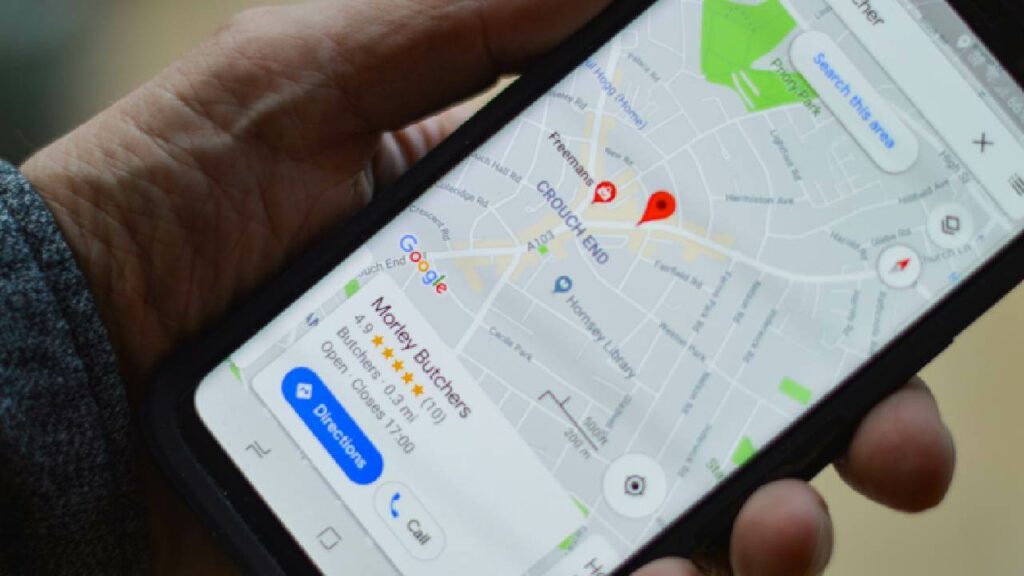
In 2025, a well-maintained Google Business Profile (formerly Google My Business) will continue to be vital for local SEO. To stay competitive, businesses must embrace digital marketing trends in local SEO by optimizing their profile.
How to Adapt:
- Keep your Google Business Profile updated with photos, offers, and business updates.
- Use Google’s Q&A and messaging features to engage with potential customers.
- Regularly monitor and respond to reviews to maintain a positive reputation.
Optimizing your Google Business Profile can significantly boost your local search presence.
Local Schema Markup: Enhancing Search Engine Understanding
Schema markup provides search engines with additional information about your business. For local SEO, implementing location-specific schema is essential for improving your visibility.
How to Adapt:
- Implement local schema markup for address, phone number, and business type.
- Use event schema for local events or promotions.
- Integrate review schema to showcase customer testimonials.
Schema markup is a simple yet powerful way to boost local SEO performance.
E-A-T (Expertise, Authoritativeness, Trustworthiness) for Local Businesses
Google’s emphasis on E-A-T (Expertise, Authoritativeness, Trustworthiness) will continue to influence local SEO rankings. Businesses that demonstrate expertise and authority will see a better search engine ranking.
How to Adapt:
- Publish high-quality, locally-relevant content to position your business as an expert.
- Secure backlinks from reputable local sources like news outlets and blogs.
- Display certifications, credentials, and testimonials on your website to build trust.
Establishing E-A-T signals will help your business stand out in local search results.
Augmented Reality (AR) Integration in Local SEO

Augmented Reality (AR) will begin to play a more significant role in local SEO. AR enables consumers to interact with your business in innovative ways, creating immersive experiences.
How to Adapt:
- Explore AR features within platforms like Google Maps and social media to enhance your presence.
- Create interactive experiences, such as virtual tours or AR-enabled product demos.
- Collaborate with AR developers to create unique and engaging local experiences.
AR offers a cutting-edge way to interact with potential customers and boost your local visibility.
Sustainability and Ethical Practices as Ranking Factors
Consumers increasingly prefer businesses that prioritize sustainability and ethical practices. In 2025, this shift will influence local search rankings.
How to Adapt:
- Highlight your eco-friendly initiatives and sustainable practices on your website and social profiles.
- Participate in local community events and initiatives, showcasing your involvement in sustainability.
- Use sustainability-related keywords to connect with eco-conscious consumers.
Focusing on sustainability can help build trust with local customers while positively impacting your search rankings.
User Experience (UX) as a Key Ranking Factor
Google continues to prioritize user experience (UX) as a ranking factor, especially for local searches. Websites that provide seamless navigation and valuable content will rank higher.
How to Adapt:
- Conduct regular UX audits to optimize your website for user experience.
- Make sure calls-to-action (CTAs) are easy to find and use.
- Remove pop-ups or other intrusive elements that hinder the user experience.
Enhancing UX will improve both user satisfaction and your local search rankings.
Integration of Zero-Click Searches

Zero-click searches allow users to find answers directly on the search results page without clicking through to a website. Optimizing for zero-click results will ensure your business gains visibility without requiring site visits.
How to Adapt:
- Optimize for featured snippets and local packs to appear in zero-click search results.
- Provide clear, concise answers to frequently asked questions within your content.
- Regularly update your Google Business Profile to ensure it displays key information like your hours and contact details.
Maximizing your visibility in zero-click searches is crucial for local SEO success.
Focus on Online Reputation Management
In 2025, online reputation management will be even more critical as reviews and ratings significantly influence consumer decisions.
How to Adapt:
- Encourage positive reviews from satisfied customers and respond promptly.
- Monitor your brand mentions on social media and review platforms to address negative feedback.
- Maintain an active engagement strategy to foster positive online discussions.
A strong online reputation will improve trust, enhance rankings, and increase your business’s visibility.
The Impact of Video Marketing on Local SEO

Video marketing is becoming a powerful tool for local SEO. Videos help engage users, build relationships, and improve local search rankings.
How to Adapt:
- Create short, engaging videos about your products, services, or community involvement.
- Use platforms like YouTube and TikTok to reach local audiences.
- Optimize video titles, descriptions, and tags with local keywords.
Video marketing can significantly increase engagement and visibility, making it a key local SEO strategy.
Visual Search Optimization
As visual search technology grows, consumers will increasingly use images to search for products and services. Optimizing visual content is crucial for staying competitive and aligns with digital marketing trends in local SEO.
How to Adapt:
- Use geotagged images and high-quality visuals on your website and social profiles.
- Ensure that alt text for images includes local keywords.
- Optimize your content for tools like Google Lens.
Visual search optimization will enhance local search results and improve your visibility.
The Role of Social Media in Local SEO

Social media platforms like Instagram, Facebook, and TikTok play a significant role in local SEO by driving local engagement and increasing visibility.
How to Adapt:
- Share location-based content and community stories.
- Encourage user-generated content such as tagged photos and reviews.
- Use local hashtags to target audiences within your community.
Social media interactions and local engagement are essential to improving your local SEO rankings.
Community Engagement and Local PR
Building strong connections within your community not only improves reputation but also strengthens your SEO efforts.
How to Adapt:
- Sponsor local events and collaborate with local organizations.
- Partner with local influencers to promote your business.
- Publish press releases about your community involvement.
Engaging with your community will improve brand visibility and enhance local search rankings.
Localized Paid Ads: Boosting Visibility in Your Area
Paid advertising can complement organic SEO efforts. In 2025, localized paid ads will help you target specific geographical areas, boosting your visibility.
How to Adapt:
- Use geo-targeted keywords in your ad campaigns.
- Offer special promotions for local customers.
- Continuously monitor and optimize your ad performance.
Paid ads can accelerate your local SEO results by targeting the right audience at the right time.
Geofencing Marketing: Reaching Customers in Real-Time
Geofencing allows businesses to send location-based notifications and ads to potential customers within a defined area. This tactic aligns with analyzing SEO performance trends in local SEO, as real-time marketing can significantly enhance visibility.
How to Adapt:
- Set up geofences around your business location and local events.
- Send time-sensitive promotions or offers to nearby customers.
- Use analytics to track the effectiveness of your geofencing campaigns.
Geofencing will help your business reach customers in real-time, enhancing your local SEO efforts.
Conclusion
As we look ahead to 2025, adopting the latest digital marketing trends in local SEO will be crucial for staying competitive. To stay competitive in an increasingly digital world, businesses must evolve and adapt. From optimizing for voice search and leveraging AI-driven personalization to creating hyperlocal content and integrating AR, these trends present powerful opportunities to enhance your local search presence.
By implementing these strategies—focusing on user experience, sustainability, and community engagement—you can not only improve your search rankings but also build lasting relationships with local customers. The key is to start now, stay informed, and embrace change with a proactive mindset.
2025 will reward those who stay ahead of the curve. So, take action today, invest in these trends, and watch your business rise to the top of local search results. Your future success starts with a commitment to innovation in local SEO.
FAQs
What are the key trends in local SEO for 2025?
As digital marketing continues to evolve, local SEO strategies are becoming increasingly important. The major trends in 2025 include voice search optimization, hyperlocal content creation, AI-driven personalization, Google’s Local Services Ads (LSAs), mobile-first indexing, and the integration of augmented reality (AR). Understanding these trends will help businesses improve their local search rankings and visibility.
How can businesses optimize for voice search in 2025?
With voice search becoming more popular in 2025, businesses need to focus on long-tail keywords, optimize for conversational queries, and create content that directly answers local questions. Using FAQ sections and targeting question-based searches like “Where can I find the best pizza near me?” will significantly improve your visibility in voice search results.
How does AI-driven personalization affect local SEO?
AI-driven personalization allows businesses to tailor their content and marketing efforts based on user behavior and location. By using AI-powered tools to analyze local trends and customer preferences, businesses can create highly relevant and localized content that resonates with their target audience, improving their local SEO performance.
What role does Google’s Local Services Ads (LSAs) play in local SEO?
Google’s Local Services Ads (LSAs) have become a powerful tool for boosting local visibility. Businesses that are verified and have positive reviews can appear at the top of search results with a “Google Guaranteed” badge, increasing trust and credibility. Optimizing your Google Business Profile and leveraging LSAs will help drive more local traffic to your business.
Why is mobile-first indexing important for local SEO in 2025?
With mobile searches continuing to outpace desktop searches, Google has switched to mobile-first indexing, meaning it primarily uses the mobile version of a website for ranking. To stay competitive in 2025, businesses must ensure their websites are fully optimized for mobile users, with fast loading times, mobile-friendly navigation, and locally targeted content.
Is SEO still relevant in 2025?
Yes, SEO is still highly relevant in 2025. As digital marketing continues to evolve with trends like AI-driven personalization, voice search optimization, and augmented reality, SEO remains a cornerstone of visibility in local search results. While new technologies and tactics emerge, SEO continues to adapt, ensuring businesses stay discoverable and competitive in an increasingly digital world.