In the world of digital searches, the words or phrases you enter into a search engine (known as search terms) play a big role in shaping the results you see. Some search terms lead to very specific answers, while others bring up a wide range of content.
But what exactly makes a search term “expensive”? And how can you use this knowledge to improve your SEO strategy, marketing efforts, or content creation? In this post, we’ll dive into the types of search terms that give you broader, more diverse results—and show you how to optimize for them to get the best results.
What Is a Search Term?

Before we get into the details, let’s first understand what a search term is. A search term (or search query) is simply the word or phrase you type into a search engine like Google. It can be short or long, broad or specific. Think of it as the key that unlocks the results on the search engine results page (SERP).
For example, if you type “best budget smartphones under $300” into Google, that’s a search term. It’s specific and will show you results tailored to exactly what you’re looking for.Now, when we talk about expensive results, we mean search terms that lead to a wide variety of responses, showing users all kinds of content and information. These terms tend to be broad, open-ended, or sometimes even a little vague. Let’s take a closer look at these kinds of search terms that bring back the most diverse and expensive results.
Types of Search Terms That Produce Expensive Results
Now that we understand what expensive search terms are, let’s look at the different types that lead to broad and diverse search results. These search terms tend to be less specific and bring back a wide variety of content, which is why they produce expensive results.
1. Short-Tail (Broad) Search Terms

Short-tail search terms are the most basic form of search queries. These are typically one or two words long — for example, “coffee,” “SEO,” or “laptops.”
Why They Produce Expensive Results:
- Lack of specificity means the search engine has to offer a wide range of possibilities.
- These queries tend to bring back everything from definitions to product listings, how-tos, blog posts, news articles, and more.
For example, searching for “shoes” could show results for different types of shoes, shopping options, tutorials, blog reviews, and even nearby stores. The broader the search term, the more likely it is to return a vast variety of results.
SEO Tip: If you aim to rank for short-tail search terms, be prepared for competition. You’ll need high-quality, engaging content that stands out.
2. Ambiguous Search Terms
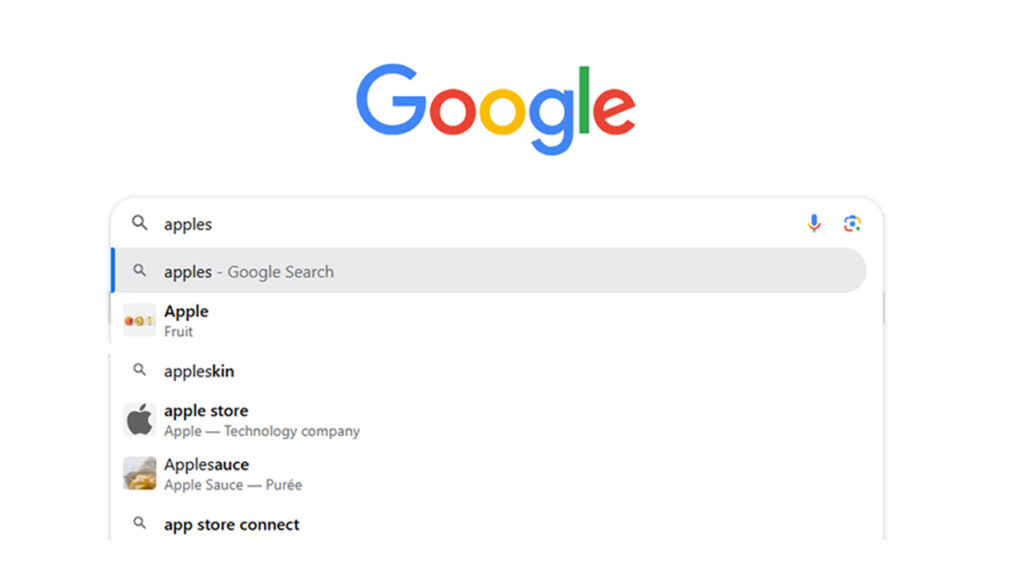
Ambiguous search terms are those that could have multiple meanings or interpretations. For example, the term “apple” could refer to the fruit, the tech company, or even a place in New York.
Why They Produce Expensive Results:
- Since these terms are unclear, search engines show results for all possible meanings.
- Google might display everything from articles, videos, maps, and product listings to Wikipedia entries and more.
For example, if someone searches for “Jaguar”, the search engine has to show results that cover both the animal and the car brand.
SEO Tip: When creating content around ambiguous terms, be sure to clarify the intended meaning within your content to guide the audience and improve relevance.
3. Head Terms with General Intent
Head terms are broad, high-volume search terms. These are very general and don’t suggest a specific need or answer. Examples include “digital marketing”, “healthy recipes”, or “smartphones”.
Why They Produce Expensive Results:
- These types of search terms signal a general informational need.
- Google shows a mix of results, from articles and blog posts to shopping options, videos, and forum discussions.
A search for “smartphones” will likely return results across multiple categories — including top reviews, buying guides, comparisons, news, and more.
SEO Tip:
Head terms are best for top-of-the-funnel content. If you can create comprehensive content on a general topic, it will help you attract a broad audience looking for basic knowledge.
4. Topic-Based or Category-Level Search Terms
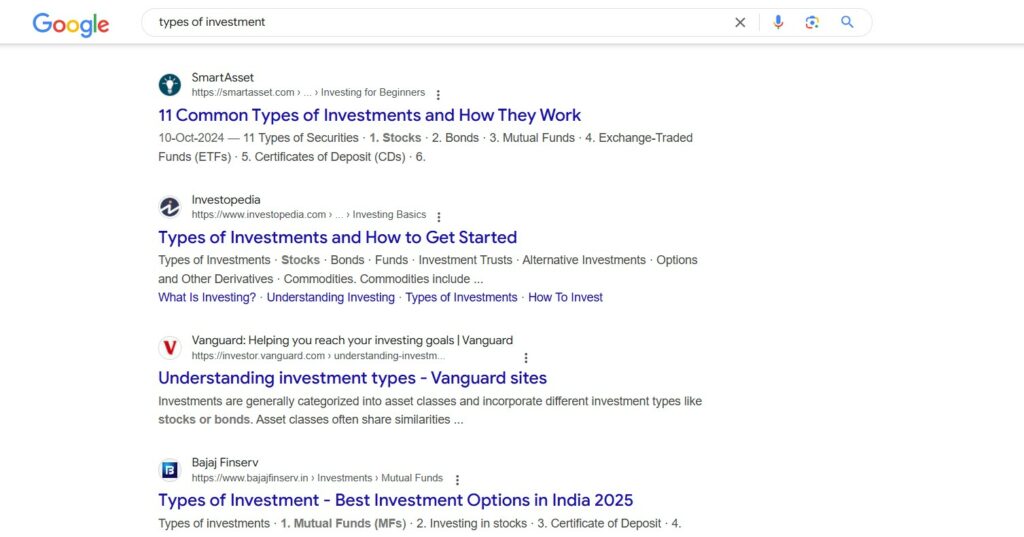
These search terms focus on a larger category or general topic. For example, a search for “types of investment” or “travel destinations” suggests that the user is looking for a variety of options, not just one answer.
Why They Produce Expensive Results:
- They often pull up listicles, guides, comparison pages, and more, giving users an overview of the subject.
- Since these terms span a broad category, they lead to more varied and extensive results.
If you search for “types of investment”, you’ll likely get a variety of results — articles covering stocks, bonds, real estate, and even alternative investments like cryptocurrencies.
SEO Tip: Target these terms if you want to create pillar content that serves as a comprehensive guide, linking to more in-depth subtopics.
5. Search Terms Without Modifiers
Modifiers are words that narrow down the search query, such as “best”, “top”, “2025”, or “near me.” When users omit modifiers, the search term becomes more open-ended, leading to broader results.
Why They Produce Expensive Results:
- Without modifiers, search engines can interpret the query in several ways, offering a wider range of content.
- These results often span general overviews, product recommendations, tips, and more.
For instance, “running shoes” will produce more general results than “best running shoes for flat feet 2025.”
SEO Tip: If you want to rank for broader search terms, aim to create content that addresses multiple possible user intents around the same topic.
6. Question-Based Search Terms
Search terms in the form of questions tend to generate broad results, especially when the question is open-ended.
Examples:
- “How to improve productivity?”
- “What is SEO?”
- “Why is sleep important?”
Why These Are Expensive:
- People asking these questions likely want a variety of answers or insights.
- Google’s search results will often include a combination of blog posts, featured snippets, videos, articles, and sometimes even interactive results like quizzes.
SEO Tip: If you target question-based search terms, make sure your content answers multiple angles or provides a comprehensive solution to the query.
7. Search Terms with Multiple User Intents
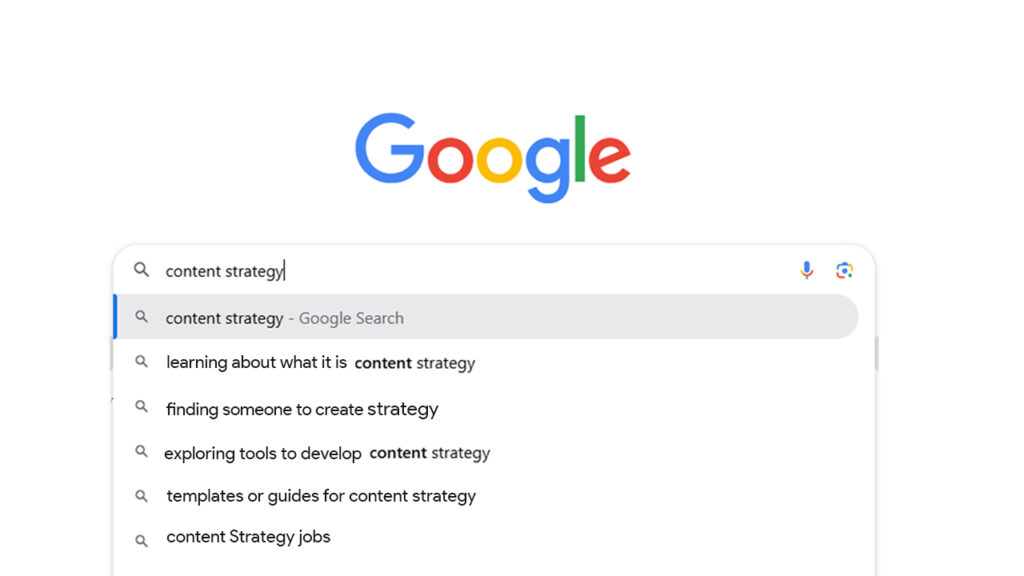
Some search terms signal that users could have more than one purpose in mind. For example, a search term like “content strategy” could mean:
- Learning about what it is
- Finding someone to create a strategy
- Exploring tools to develop one
- Searching for templates or guides
Why They Produce Expensive Results:
- Google tries to answer all the possible intentions behind the search.
- Results include tutorials, service providers, templates, and deeper explanations.
SEO Tip: To rank for these terms, create content that comprehensively addresses all possible user needs and provides resources to help them take action.
8. Trending or Evolving Search Terms
Search terms related to current trends or emerging technologies (like “AI tools” or “Web3”) often lead to expensive results because the topic is still developing, and new content is being created regularly.
Why They Are Expensive:
- These terms reflect new or evolving concepts, so the content surrounding them changes frequently.
- Search engines bring back a variety of results to give users the most up-to-date and diverse information.
SEO Tip: Take advantage of trending search terms by creating timely and authoritative content early in the trend cycle.
Why Understanding Expensive Search Terms Matters for SEO
Understanding expensive search terms helps you optimize your content strategy by reaching a wider audience. Here’s why it’s important:
Targets a Broader Audience
Expensive terms capture a wide range of search queries, helping your content reach more people, even those with different needs or interests.
Addresses Various User Intents
Expensive terms often reflect multiple user intents. By creating content that addresses different needs (e.g., buying guides, tutorials, or comparisons), you increase the chances of attracting users at various stages of their journey.
Improves Ranking Opportunities
Expensive search terms offer more chances to rank across different types of content (e.g., blog posts, videos, infographics), making your content visible in a variety of search results.
How to Optimize for Expensive Search Terms
To successfully target expensive search terms, consider these strategies:
- Use Keyword Clustering: Group related keywords to cover multiple search queries with a single piece of content. For example, if you’re writing about “SEO tips,” include related terms like “on-page SEO,” “link building,” and “content optimization.”
- Address Multiple User Intents: Create content that answers various needs. For instance, a post on “how to improve productivity” can cover tips, tools, and comparisons, catering to informational, transactional, and navigational intents.
- Organize Your Content Well: Structure your content using headers, bullet points, and concise sections to improve readability and SEO. A clear, organized layout helps both users and search engines easily navigate your page.
- Build Pillar Content: Focus on comprehensive, evergreen content that can be linked to from other pages. Pillar content boosts internal linking and establishes your site as an authoritative resource on the topic.
- Leverage Multimedia: Enhance your content with images, videos, and infographics to make it more engaging. Multimedia increases your chances of ranking in rich snippets and other search features.
Conclusion
Understanding expensive search terms is key for any marketer or SEO professional aiming to boost visibility and drive traffic. These terms attract a broader audience and help target multiple user intents, improving your chances of ranking in diverse search results.
By focusing on broad, open-ended, or trending search terms, you can create content that resonates with a wide range of users—from those seeking quick answers to those exploring detailed guides. Successful SEO is about understanding search behavior and addressing audience needs.
Now that you know how to identify and optimize for expansive search terms, refine your SEO strategy using the tips provided. This approach will help you tap into broader search queries and increase organic traffic.