In today’s fast-paced digital world, scaling digital marketing efforts is essential for businesses that want to meet growing demands and stay ahead of the competition. As your business expands, the need for smarter, more effective marketing strategies becomes even more important. But how can you scale your efforts without sacrificing quality, customer experience, or your budget?
In this blog, we’ll break down proven strategies, tools, and techniques for scaling digital marketing efforts in a way that delivers measurable results and supports long-term growth.
Why Scaling Digital Marketing Efforts Is Crucial

Scaling your digital marketing is essential to reach a broader audience, increase engagement, and convert more leads, all while keeping up with business demands. As you grow, the following needs become even more critical:
- Higher Traffic: You need to attract more visitors to your website.
- Enhanced Lead Generation: You have to generate a steady flow of qualified leads.
- Better Conversion Rates: The more traffic you have, the more leads you need to convert.
- Optimized Spend: Scaling effectively ensures you’re making the most of your marketing budget.
But scaling isn’t just about doing more of the same. It’s about improving efficiency, automating processes, and leveraging new tools and technologies to stay ahead of the curve.
13 Key Strategies to Effectively Scale Your Digital Marketing
To scale your digital marketing, focus on strategies that enhance reach, efficiency, and automation. These 13 approaches will help you manage increased demands while delivering quality customer experiences.
1. Refine and Expand Your Target Audience
Scaling digital marketing efforts begins with a deep understanding of your target audience. As your business grows, your customer base might evolve, and your marketing strategies should reflect this.
How to Do It:
- Behavioral Segmentation: Instead of only focusing on demographics (age, gender, etc.), use behavioral data to segment your audience based on actions and interests. This will help you create more personalized content and offers.
- Lookalike Audiences: Use platforms like Facebook Ads and Google Ads to target lookalike audiences, based on the behavior of your best customers, and expand your reach to similar users.
Tools You Can Use:
- Google Analytics: For deep audience insights and behavioral trends.
- Facebook Audience Insights: For creating and expanding lookalike audiences.
- HubSpot: To segment customers based on lifecycle stages and behavior.
2. Leverage Marketing Automation to Save Time and Boost Efficiency
One of the most powerful ways to scale is by automating repetitive tasks. Marketing automation tools can handle time-consuming processes like email marketing, social media posting, and even lead nurturing.
How to Do It:
- Email Marketing Automation: Platforms like Mailchimp, ConvertKit, or ActiveCampaign allow you to set up automated email sequences to nurture leads, welcome new subscribers, or convert potential customers into paying clients.
- Social Media Scheduling: Tools like Buffer or Hootsuite let you automate social media scheduling, enabling you to post across platforms at optimal times without manual intervention.
Additional Tip:
- Automate Ad Campaigns: Google Ads and Facebook Ads offer automated bidding options, where your budget is spent more efficiently by automatically adjusting bids based on performance.
Tools You Can Use:
- HubSpot: For marketing automation and CRM integration.
- Zapier: For connecting different apps and automating workflows.
- Buffer: For scheduling and managing your social media posts.
3. Optimize Your Website for Better Performance
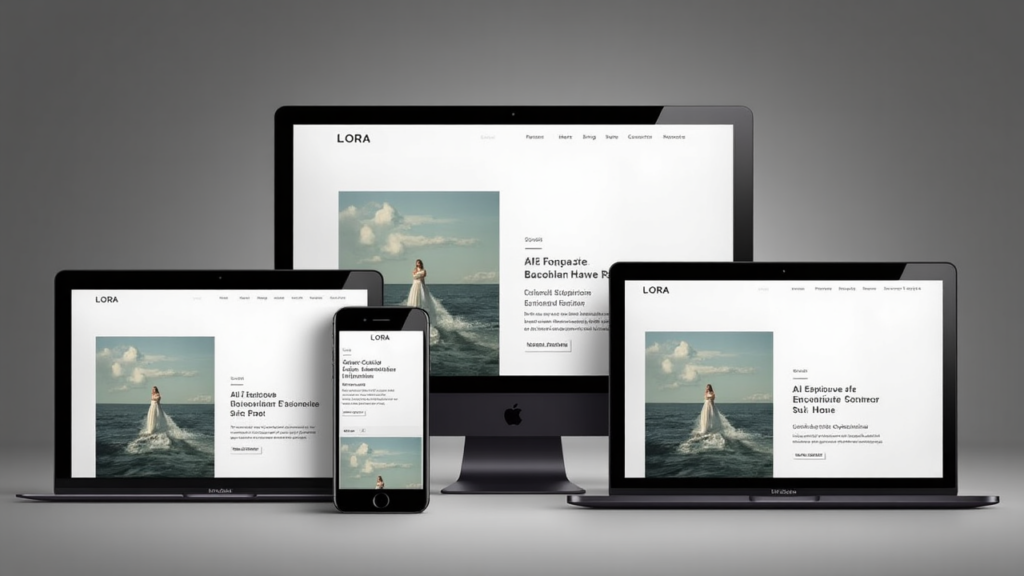
Your website is the cornerstone of your digital marketing efforts. As you scale, it’s crucial to make sure your site can handle increasing website traffic while also converting those visitors into leads or customers.
How to Do It:
- Increase Site Speed: A fast-loading website is essential for user experience and SEO. Use tools like Google PageSpeed Insights and GTMetrix to identify areas for improvement and reduce loading times.
- Mobile Optimization: Since more users are browsing on mobile devices, it’s essential to make sure your website is mobile-friendly and provides a seamless experience across all devices.
- A/B Testing: Regularly test different versions of landing pages, call-to-action (CTA) buttons, and forms to see which ones drive the highest conversion rates.
Additional Tip:
- Progressive Web Apps (PWAs): PWAs provide a more app-like experience on mobile devices, offering faster load times and improved user engagement.
Tools You Can Use:
- Google Analytics: For performance tracking and identifying bottlenecks.
- Unbounce: For building optimized landing pages that convert.
- Crazy Egg: For heatmaps and A/B testing landing pages.
4. Invest in Scalable Technologies and Tools
When scaling your marketing efforts, using the right technology is key to maintaining efficiency. With the right tech stack, you can automate processes, track data, and optimize your campaigns at scale.
How to Do It:
- Customer Relationship Management (CRM) Systems: A CRM like Salesforce or HubSpot CRM helps you manage leads and customer interactions across various channels. It can also automate follow-ups and trigger specific actions based on user behavior.
- Advanced Analytics: Use Google Analytics, Tableau, or Power BI for more robust analytics that help you make data-driven decisions, forecast trends, and evaluate the effectiveness of campaigns.
- AI-Powered Tools: AI tools like SEMrush, HubSpot or Phrasee can analyze vast amounts of data to help predict trends, optimize content, and even automate responses.
Tools You Can Use:
- Google Analytics: For data insights and user behavior analysis.
- HubSpot: For marketing automation, CRM, and lead nurturing.
- SEMrush: For keyword research and SEO audits.
5. Scale Content Creation Without Sacrificing Quality
As your digital marketing efforts grow, so does the need for high-quality content. Scaling content creation is one of the most effective ways to reach a larger audience and engage them.
How to Do It:
- Repurpose Content: Repurpose your existing content into different formats. For example, transform a blog post into a video, infographic, or social media post to reach different segments of your audience.
- Leverage User-Generated Content (UGC): Encourage your customers to share their experiences with your product or service, and repurpose this content to build trust with new leads.
- Outsource Content: As you scale, consider outsourcing content creation to professional writers, designers, or video producers. This can be done efficiently through platforms like Upwork, Contently, or Fiverr.
Additional Tip:
- Content Calendar: Create a content calendar to plan and schedule content ahead of time. This ensures consistency and helps avoid gaps in content production.
Tools You Can Use:
- BuzzSumo: For identifying trending topics and content ideas.
- Canva: For creating visually appealing graphics and social media content.
- Upwork: To find freelance writers and designers.
6. Monitor, Analyze, and Adapt Your Strategies
As you scale, it’s important to constantly monitor the performance of your campaigns. Data-driven decisions will allow you to adapt quickly and optimize your strategies for better results.
How to Do It:
- Track Key Metrics: Keep an eye on metrics like Customer Acquisition Cost (CAC), Return on Investment (ROI), and Customer Lifetime Value (CLV). These will help you understand whether your scaled efforts are delivering the desired results.
- A/B Testing: Regularly test different aspects of your campaigns, from email subject lines to landing page designs, to see what works best for your audience.
- Optimize Based on Data: Use insights from Google Analytics and social media insights to adjust your campaigns and ensure maximum efficiency.
Additional Tip:
- Predictive Analytics: Leverage AI-powered tools to predict customer behavior and adjust your strategies in real-time.
Tools You Can Use:
- Google Analytics: For tracking site performance and user behavior.
- Kissmetrics: For advanced analytics and cohort analysis.
- Hotjar: For heatmaps and user behavior tracking.
7. Adopt a Multi-Channel Approach for Broader Reach
Scaling your digital marketing efforts often requires reaching your audience through multiple channels. Relying on just one platform or marketing tactic can limit your potential. A multi-channel approach allows you to expand your reach and connect with customers in different ways.
How to Do It:
- Integrate Paid and Organic Channels: Combine SEO, PPC, social media, and email marketing to create a cohesive strategy that reinforces each channel’s efforts.
- Omnichannel Marketing: Ensure that your message and branding are consistent across all channels—whether it’s your website, social media, or paid ads. Tools like Sprout Social or Buffer help you track and manage content across multiple channels.
Tools You Can Use:
- Hootsuite: For managing and scheduling content across multiple platforms.
- Sprout Social: For social media management and analytics across multiple channels.
- Google Ads: For running both organic and paid search campaigns simultaneously.
8. Focus on Building a Strong Brand Identity
As you scale, it’s essential to establish a strong, recognizable brand identity. A well-defined brand will help you stand out in a competitive market and build trust with your audience.
How to Do It:
- Brand Consistency: Ensure that your tone, messaging, and visual elements remain consistent across all marketing materials.
- Storytelling: Use storytelling techniques in your content and campaigns to connect emotionally with your audience. People remember stories more than product features.
Additional Tip:
- User-Centric Content: Create content that resonates with your audience’s pain points and needs. Position your brand as a helpful, authoritative voice in your industry.
Tools You Can Use:
- Canva: For maintaining brand consistency in design.
- Adobe Spark: For creating visually consistent content that aligns with your brand.
- Brandfolder: For managing and sharing brand assets.
9. Focus on Retargeting and Remarketing
As you scale, retargeting becomes even more valuable. Retargeting ads allow you to reach visitors who have interacted with your brand but haven’t converted yet.
How to Do It:
- Retargeting Ads: Use platforms like Google Ads, Facebook, and Instagram to run remarketing campaigns that target people who have visited your website but left without taking action.
- Email Retargeting: Send follow-up emails to users who abandoned their shopping carts or didn’t complete a desired action.
Tools You Can Use:
- Google Ads: For retargeting visitors through display ads.
- Facebook Ads: For creating retargeting campaigns on Facebook and Instagram.
- Klaviyo: For email remarketing, especially in eCommerce.
10. Incorporate Video Marketing at Scale
Video content is one of the most engaging formats and can significantly boost your digital marketing performance. As your business grows, incorporating video marketing at scale can help you connect with a wider audience.
How to Do It:
- Educational Videos: Create how-to videos, tutorials, or industry insights that add value to your audience.
- User Testimonials: Feature customer testimonials in video format to build social proof and trust.
- Live Streams: Engage with your audience in real-time through live streaming on platforms like YouTube, Facebook, or Instagram.
Additional Tip:
- Short-Form Video: Platforms like TikTok and Instagram Reels are growing in popularity and offer a great way to connect with a younger audience.
Tools You Can Use:
- Wistia: For creating and hosting high-quality video content.
- Animoto: For easy video creation from photos and video clips.
- Vimeo: For hosting and sharing videos securely.
11. Implement Advanced SEO Strategies for Scalable Growth
As your digital marketing efforts expand, advanced SEO strategies will be crucial for sustaining growth. SEO scaling isn’t just about targeting more keywords, but about improving your content strategy, optimizing for voice search, and enhancing site architecture.
How to Do It:
- Long-Tail Keywords: Target long-tail keywords to capture niche audiences that are easier to convert.
- Voice Search Optimization: Optimize content for voice search queries, which are typically longer and more conversational.
- Content Clusters: Create content clusters around core topics to improve your website’s internal linking structure and SEO performance.
Additional Tip:
- Local SEO: As your business expands into new regions, ensure your local SEO efforts are on point, using tools like Google My Business and Local Listings to target geographically relevant searches.
Tools You Can Use:
- Ahrefs: For keyword research and backlink tracking.
- Moz: For tracking SEO performance and site audits.
- SurferSEO: For on-page optimization and competitive analysis.
12. Embrace Influencer and Affiliate Marketing
Influencer marketing and affiliate programs are effective ways to reach a larger audience and scale your marketing efforts quickly without increasing your workload.
How to Do It:
- Influencer Partnerships: Partner with influencers who align with your brand values and target audience to promote your products or services.
- Affiliate Marketing: Create an affiliate program to incentivize others to promote your business, allowing you to scale your marketing efforts through external partners.
Additional Tip:
- Micro-Influencers: Partner with micro-influencers (influencers with smaller but highly engaged audiences) for more targeted and cost-effective campaigns.
Tools You Can Use:
- BuzzSumo: For identifying key influencers in your industry.
- Refersion: For setting up and managing your affiliate marketing program.
- Influencity: For discovering and managing influencers in your niche.
13. Incorporate AI and Data-Driven Insights
Artificial Intelligence (AI) is revolutionizing the way we scale marketing efforts. From predictive analytics to automated content generation, AI can help optimize your marketing campaigns at scale.
How to Do It:
- AI-Powered Tools: Leverage AI tools to analyze large datasets, predict customer behavior, and personalize your marketing strategies.
- Predictive Analytics: Use predictive analytics to forecast customer behavior and make proactive adjustments to your campaigns.
Tools You Can Use:
- SEMrush: For AI-driven keyword research and competitive analysis.
- HubSpot AI: For content personalization and marketing automation.
- Crimson Hexagon: For AI-powered social listening and consumer insights
Conclusion
Growing your digital marketing doesn’t have to be complicated. Start by improving what’s already working, use the right tools to save time and effort, and always pay attention to what your data and customers are telling you. These simple steps will help you handle more website visitors and customers without losing quality or spending too much. When done right, you can grow your business smoothly and keep that success going for the long run.