In today’s competitive online world, small businesses often find it tough to turn website visitors into loyal customers. That’s where retargeting and remarketing come in! These powerful strategies can help you reconnect with people who’ve already shown interest in what you offer and turn them into paying customers.
But here’s the big question: How can small businesses use these strategies to their advantage? In this easy-to-follow guide, we’ll break down retargeting vs remarketing, explore their key differences, and provide actionable steps for small businesses to leverage them effectively.
Retargeting vs Remarketing: Key Differences
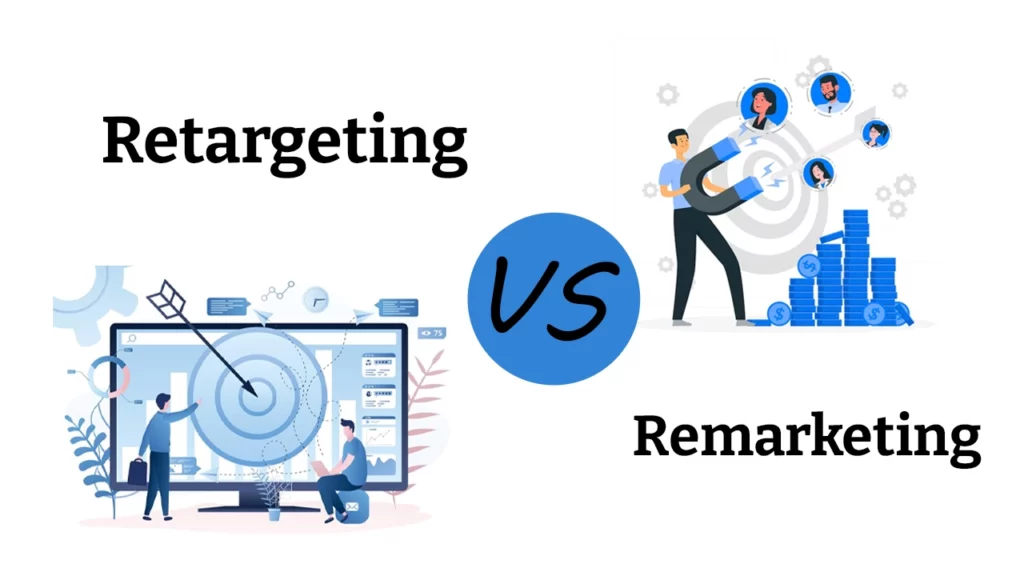
Many businesses use the terms retargeting and remarketing interchangeably, but they are not exactly the same. Understanding the differences between these two strategies is essential for small businesses looking to optimize their marketing efforts. Here’s how they differ:
Retargeting
- Displays ads to users who have previously interacted with your website but didn’t convert.
- Primarily executed through Google Ads, Facebook Ads, and other display networks.
- Uses cookies or tracking pixels to follow users across different websites and show relevant ads.
- Ideal for e-commerce businesses, SaaS companies, and service-based industries looking to re-engage potential customers.
Remarketing
- Focuses on email marketing campaigns targeting users who have already engaged with your brand.
- Commonly used for abandoned cart reminders, special promotions, and re-engagement emails.
- Works well for businesses with existing customer lists and those focusing on long-term customer relationships.
- Best suited for subscription-based businesses, B2B companies, and high-ticket product sales.
Which One Should Small Businesses Use?
Both strategies are valuable, but the best approach depends on your business goals. Retargeting is excellent for driving immediate conversions, while remarketing helps nurture leads and build stronger customer relationships. A combination of both can create a powerful marketing funnel that keeps your audience engaged at different stages of the buyer’s journey.
Why Retargeting and Remarketing Matter for Small Businesses
For small businesses, customer acquisition costs can be high. Instead of constantly chasing new leads, retargeting and remarketing help maximize existing traffic by bringing back visitors who already expressed interest.
Benefits of Retargeting and Remarketing:
- Increased Conversions – Stay top-of-mind and encourage customers to complete their purchase.
- Better ROI – More cost-effective than acquiring new customers from scratch.
- Personalized Messaging – Tailor ads and emails based on user behavior.
- Stronger Brand Recall – Keep your business visible and relevant to potential customers.
- Enhanced Customer Relationships – Foster trust and engagement through continued interactions.
How to Implement an Effective Retargeting Campaign
1. Define Your Target Audience
Understanding who you want to retarget is key. Not all visitors should be treated the same way. Identify:
- Visitors who browsed specific products or services.
- Users who abandoned their shopping cart.
- Repeat visitors who didn’t make a purchase.
- Customers who engaged with your content (blog, video, social media posts).
2. Set Up Retargeting Pixels
To run an effective retargeting campaign, install tracking pixels on your website. Platforms like Facebook Pixel and Google Ads Pixel help track visitors and retarget them with relevant ads.
3. Create Highly Targeted Ads
Generic ads won’t drive conversions. Instead:
- Use dynamic ads that showcase products visitors viewed.
- Offer discounts or special deals to bring back hesitant buyers.
- Craft compelling ad copy that addresses their pain points.
- Use high-quality visuals to grab attention and increase engagement.
- Test different ad formats, such as carousel ads, video ads, and static images, to see what resonates best with your audience.
4. Leverage Social Media Retargeting
Platforms like Facebook, Instagram, LinkedIn, and Twitter allow businesses to retarget visitors with customized ads. For example:
- Facebook Retargeting – Show carousel ads featuring products users viewed.
- Instagram Ads – Retarget users with engaging videos or image ads.
- LinkedIn Retargeting – Ideal for B2B businesses looking to nurture leads.
- Twitter Retargeting – Engage users who previously interacted with your brand’s tweets or profile.
5. Optimize Ad Frequency
Overexposing users to ads can lead to ad fatigue and a negative brand perception. Set a reasonable frequency cap to ensure ads remain effective without being intrusive. Also, consider rotating different ad creatives and messages to keep the content fresh and engaging.
How to Implement an Effective Remarketing Campaign
1. Segment Your Email List
Email remarketing is most effective when messages are personalized. Categorize your email list based on:
- Abandoned Cart Users – Send reminders with incentives to complete their purchase.
- Inactive Customers – Offer exclusive deals, such as discounts or free trials, to encourage engagement.
- Loyal Customers – Reward them with special promotions, loyalty rewards, or VIP access to new products.
2. Create Automated Email Sequences
Automation tools like Mailchimp, Klaviyo, and HubSpot help streamline remarketing campaigns. Consider:
- Cart Abandonment Emails – Sent within 24 hours with a discount or free shipping offer to encourage checkout.
- Re-Engagement Emails – Target users who haven’t interacted in a while with personalized offers or updates.
- Personalized Product Recommendations – Showcase items based on browsing history and previous purchases to drive interest.
- Follow-Up Emails – After a purchase, send thank-you emails, request reviews, or offer complementary products.
3. Use Persuasive Copy and CTAs
Your emails should:
- Have a compelling subject line (e.g., “Forgot something? Here’s 10% off!”).
- Create urgency (e.g., “Limited-time offer – claim your deal now!”).
- Include a clear Call-to-Action (CTA) to drive clicks and conversions (e.g., “Shop Now,” “Claim Your Discount”).
Best Practices for Retargeting and Remarketing Success
To maximize conversions and engagement, it’s crucial to implement retargeting and remarketing strategies effectively. Follow these best practices to refine your approach, enhance user experience, and drive better results.
1. A/B Test Your Campaigns
Experiment with different ad creatives, messaging, and offers to see what resonates most with your audience.
2. Monitor and Adjust Based on Performance Metrics
Track key metrics like click-through rates (CTR), conversion rates, and return on ad spend (ROAS) to optimize your strategy.
3. Avoid Over-Retargeting
Bombarding users with ads and emails can backfire. Use frequency capping to control how often they see your messages.
4. Utilize Cross-Channel Marketing
Integrate retargeting and remarketing efforts across multiple platforms (Google, Facebook, email, SMS) for a seamless brand experience.
5. Ensure Compliance with Privacy Regulations
Stay up to date with GDPR and CCPA regulations to ensure your campaigns respect user privacy laws.
Conclusion
For small businesses, implementing retargeting vs remarketing strategies effectively can drive higher conversions, improve customer retention, and boost revenue. While retargeting excels at bringing back website visitors through ads, remarketing is powerful for re-engaging customers through email campaigns.
By understanding the key differences, setting up well-targeted campaigns, and following best practices, small businesses can maximize their marketing efforts and turn lost leads into loyal customers.