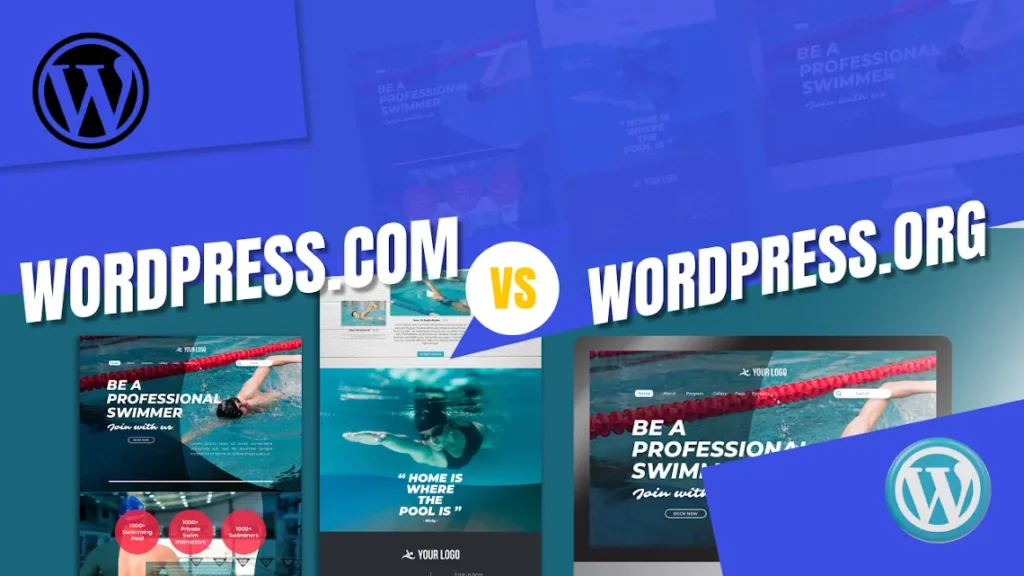
One of the most common questions for anyone starting a website is the WordPress.com vs WordPress.org. Both use the same core WordPress software, but they offer very different experiences—one is a fully hosted platform, while the other is self-hosted open-source software. Choosing the wrong one can limit your growth or add unnecessary costs. At Cope Business, we guide clients through platform decisions as part of our technical SEO audit services, ensuring they pick the option that supports long-term success. This 2026-updated comparison breaks down the pros, cons, and key factors to help you decide.
Quick Overview: The Main Difference
- WordPress.org (Self-Hosted): Free open-source software you download and install on your own hosting. Full control and unlimited potential.
- WordPress.com: A hosted service (by Automattic) that manages everything for you. Easier for beginners but with limitations on lower plans.
In short: WordPress.org is for those who want freedom and scalability; WordPress.com is for simplicity and managed hosting.
Detailed Comparison: WordPress.com vs WordPress.org
Costs
- WordPress.org: Core software free. Pay for hosting (~$3–$15/month) and domain (~$10–$15/year). Total starter cost: $50–$150/year. Scalable and cost-effective long-term.
- WordPress.com: Free basic plan (with ads and subdomain). Paid plans: Personal ~$48/year, Premium ~$96/year, Business ~$300/year (often discounted), Commerce/Enterprise higher. Advanced features require upgrades.
Features & Customization
- WordPress.org: Unlimited plugins/themes (60,000+ free), custom code, full-site editing, eCommerce (WooCommerce), memberships, and any functionality.
- WordPress.com: Limited on free/low plans (no custom plugins/themes). Business+ plans unlock most features, but still restricted compared to self-hosted.
Control & Ownership
- WordPress.org: Complete ownership—you control files, data, and content. No platform restrictions.
- WordPress.com: Platform owns hosting; content subject to terms (potential removal for violations). Less control on lower plans.
Monetization
- WordPress.org: Full freedom—ads, affiliates, eCommerce, no revenue sharing.
- WordPress.com: Restricted on free/low plans (no custom ads). WordAds on higher plans with sharing.
SEO & Marketing
- WordPress.org: Full SEO control (plugins like AIOSEO), custom schema, no limits.
- WordPress.com: Basic SEO on free; advanced on Business+ plans. Good but not as flexible.
Maintenance & Security
- WordPress.org: You manage updates, backups, security (easy with plugins or managed hosting).
- WordPress.com: Fully managed—no worries about updates, backups, or server security.
Support
- WordPress.org: Community forums, docs, paid host support.
- WordPress.com: Email/live chat on paid plans; limited on free.
Storage & Performance
- WordPress.org: Unlimited (depends on hosting).
- WordPress.com: Limited on free (e.g., 1–3 GB); more on paid.
Pros and Cons Summary
WordPress.org (Self-Hosted)
Pros: Unlimited customization, full control, better SEO/monetization, cost-effective for growth, no restrictions. Cons: Requires hosting/setup, manual maintenance (unless managed).
WordPress.com
Pros: Easy setup, fully managed, free starter plan, built-in tools. Cons: Limitations on lower plans, higher costs for features, less ownership.
Which One Should You Choose
- Choose WordPress.org if: You want a professional business site, eCommerce, full customization, or long-term scalability. (Our recommendation for most users—see our WordPress setup guide).
- Choose WordPress.com if: You’re testing ideas, need zero maintenance, or run a simple hobby blog.
Most experts agree: For serious websites, self-hosted WordPress.org offers the best value and flexibility.If you’re unsure or need help migrating/setting up, contact Cope Business for a free consultation—we can audit your needs and optimize your chosen platform.