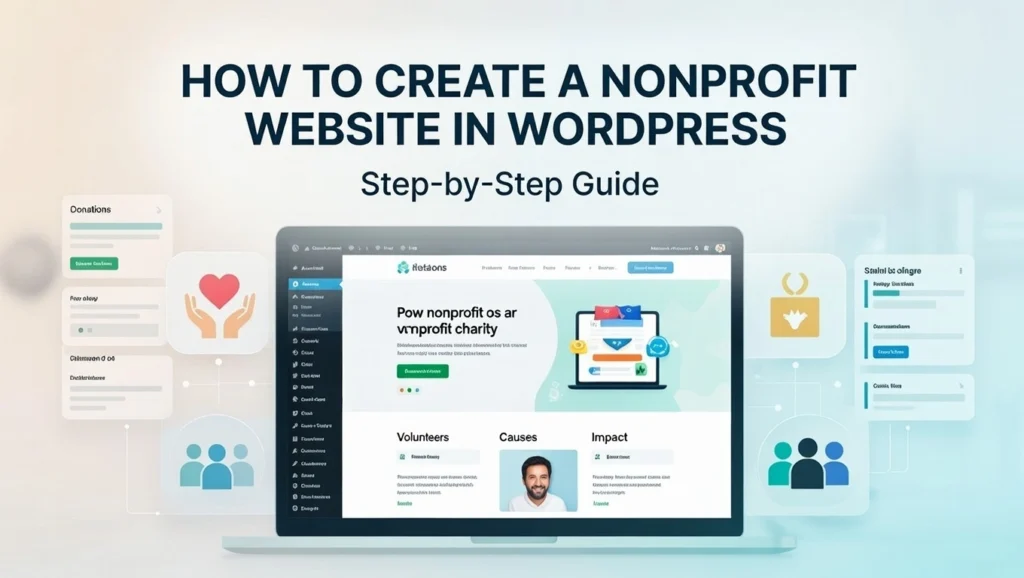
Nonprofit organizations rely on their websites to raise awareness, attract donations, engage volunteers, and drive their mission forward. WordPress is an ideal platform for nonprofits due to its flexibility, low cost, and extensive ecosystem of free tools tailored for fundraising, events, and community building. In this step-by-step guide, we’ll walk you through creating a professional nonprofit website in WordPress, from initial setup to launch. At Cope Business, we’ve helped numerous nonprofits optimize their online presence through our technical SEO audit services, ensuring sites are secure, fast-loading, and search-engine friendly to maximize impact.
On this page
ToggleWhether you’re starting a charity, foundation, or advocacy group, this process is beginner-friendly and scalable. Let’s get started.
Why Choose WordPress for Your Nonprofit Website?
WordPress powers over 43% of websites worldwide, including many nonprofits like Amnesty International and TED. Key advantages:
- Cost-Effective: Free core software; low hosting costs (under $100/year).
- Customizable: Thousands of themes and plugins for donations, events, and memberships.
- SEO-Friendly: Built-in tools to rank higher in searches for your cause.
- Community Support: Vast resources and plugins designed for nonprofits (e.g., GiveWP for donations).
- Scalable: Grow from a simple site to a full community hub without switching platforms.
Compared to platforms like Wix or Squarespace, WordPress offers more control and no vendor lock-in.
Step 1: Choose Hosting and Domain Name
A solid foundation starts with reliable hosting.
- Recommended Hosting for Nonprofits: SiteGround or Bluehost—both offer WordPress-optimized plans with free SSL, one-click install, and nonprofit discounts (apply via their support). Start at ~$3–$7/month.
- Domain Name: Pick something memorable and relevant (e.g., yournonprofit.org). Use .org for credibility. Hosts often include a free domain for the first year.
Tip: Check for nonprofit hosting grants from providers like DreamHost or apply for Google for Nonprofits for free tools.
Step 2: Install WordPress
Most hosts make this effortless.
- Log into your hosting dashboard.
- Use the one-click WordPress installer (e.g., in cPanel).
- Select your domain, set admin credentials (strong password!).
- Install—your site is ready in minutes.
For details, see our WordPress installation guide.
Step 3: Set Up a Nonprofit-Friendly Theme
Your theme controls design—choose one that’s clean, accessible, and mobile-responsive.
- Free Options: Astra or GeneratePress—lightweight with nonprofit starter templates.
- Nonprofit-Specific Themes: CharityWP or GiveWP-compatible themes for built-in donation buttons.
Installation:
- Go to Appearance > Themes > Add New.
- Search, install, and activate.
- Customize via Appearance > Customize: Add logo, colors, and navigation.
For advanced designs, use a page builder like SeedProd.
Step 4: Install Essential Plugins for Nonprofits
Plugins add functionality—focus on those for fundraising and engagement.
- GiveWP: Free donation plugin with forms, recurring gifts, and reporting.
- The Events Calendar: Manage events, calendars, and RSVPs.
- WPForms: Create contact/donation/volunteer forms (free lite version).
- All in One SEO: Optimize for search with sitemaps and schema.
- UpdraftPlus: Automated backups.
- Wordfence: Security to protect sensitive donor data.
Install via Plugins > Add New. For more, see our essential plugins list.
Step 5: Create Key Pages and Content
Structure your site for clarity.
- Home: Hero section with mission statement, CTA for donations/volunteering.
- About Us: Story, team, impact metrics.
- Services/Programs: Detail your initiatives with images/videos.
- Donate: Dedicated page with GiveWP form.
- Events: Calendar with The Events Calendar.
- Blog: Share updates and stories for SEO.
- Contact: WPForms form + map embed.
Use the block editor for easy layouts. Add a knowledge base for FAQs (see our wiki guide).
Step 6: Optimize for SEO and Performance
Drive organic traffic to amplify your reach.
- Install All in One SEO and run the setup wizard.
- Add meta titles/descriptions, sitemaps, and schema (e.g., Organization type).
- Optimize images, enable caching, and use a CDN for speed.
- Submit to Google Search Console and focus on keywords like “nonprofit [your cause]”.
For full optimization, our speed services ensure fast loading.
Step 7: Secure Your Site
Protect donor data and maintain trust.
- Enable SSL/HTTPS (free via host).
- Use Wordfence for scans/firewalls.
- Set strong passwords and 2FA.
- Comply with GDPR/CCPA via plugins like Complianz.
See our security guide for more.
Step 8: Launch and Promote Your Site
- Test everything: Forms, donations, mobile responsiveness.
- Launch: Make the site public.
- Promote: Share on social media, email lists, and partner networks.
- Track: Use MonsterInsights for analytics.
Final Thoughts
Creating a nonprofit website in WordPress empowers your organization to connect, fundraise, and make an impact online. With the right tools, it’s affordable and effective.
Focus on user-friendly design and clear CTAs to encourage support.
Need help building or optimizing your nonprofit site? Contact Cope Business for a free technical SEO consultation—we’ll tailor a solution to your mission.