As a business owner or marketer running a WordPress site, technical WordPress SEO can often feel overwhelming, like trying to navigate a maze without a map. You’ve invested time in creating valuable content, but if search engines can’t properly crawl, index, or understand your site, your efforts might not translate into the traffic and leads you deserve. At Cope Business, we’ve spent years helping businesses like yours optimize their WordPress sites for maximum visibility. Drawing from our experience auditing and fixing technical issues for startups, eCommerce stores, and large enterprises, we’ve compiled this proven 14-step technical WordPress SEO framework checklist. It’s the same framework we use to boost rankings and recover lost traffic for our clients. Whether you’re handling SEO in-house or considering professional help, this guide will give you actionable steps to strengthen your site’s foundation and drive sustainable growth.
Technical WordPress SEO forms the backbone of your overall WordPress strategy. Without it, even the best content can get lost in the search results. Issues like slow load times, broken links, or improper indexing can quietly sabotage your rankings. Our technical WordPress SEO checklist ensures your site is crawlable, secure, and optimized for search engines like Google, helping you attract more organic visitors and convert them into customers.
1. Confirm Your Site’s Visibility to Search Engines

Start by verifying that search engines can access your site. Search for site:yourdomain.com in Google (replace with your actual domain). If no results appear, head to your WordPress dashboard under Settings > Reading and ensure the “Discourage search engines from indexing this site” box is unchecked. This simple step prevents accidental invisibility and sets the stage for better indexing in your technical WordPress SEO efforts.
2. Identify and Resolve Crawling and Indexing Problems

Use tools like Google Search Console to review your site’s indexing status. Check the “Pages” report for indexed vs. non-indexed pages, and dive into the “Why pages aren’t indexed” section to spot errors like crawl blocks or duplicate content. For any problematic URLs, use the URL Inspection tool to test and request indexing. Don’t forget to set up Bing Webmaster Tools for broader coverage—it’s especially useful for business sites targeting multiple search engines as part of a comprehensive technical WordPress SEO strategy.
3. Secure Your Site with HTTPS

Security isn’t just about protecting data; it’s a ranking factor. Ensure your site uses HTTPS by checking for the padlock icon in your browser’s address bar. If you’re still on HTTP, install an SSL certificate—many hosting providers offer free ones via Let’s Encrypt. Follow a reliable guide to migrate without downtime, as this boosts trust with users and search engines in your technical WordPress SEO framework.
4. Detect and Repair Broken Links
Broken links lead to 404 errors, frustrating users and wasting crawl budget. Scan your site using a plugin like Broken Link Checker to identify internal issues. Fix them by updating URLs or setting up 301 redirects for moved content. For businesses with large sites, consider advanced tools that also check external links to maintain a seamless user experience and support technical WordPress SEO.
5. Eliminate Duplicate Site Versions

Duplicate content confuses search engines. Ensure all variations (www vs. non-www, HTTP vs. HTTPS) redirect to your preferred version. In WordPress, confirm this in Settings > General under WordPress Address and Site Address. Set a canonical URL in your site’s header to signal the primary version, preventing penalties and consolidating ranking power in your technical WordPress SEO checklist.
6. Adopt SEO-Optimized URL Structures
Clean URLs improve click-through rates and keyword relevance. Use descriptive, keyword-rich slugs with hyphens (e.g., /blog/wordpress-seo-tips-for-businesses) instead of messy query strings like /?p=123. Avoid dates or numbers that limit future updates. This structure helps search engines understand your content hierarchy and boosts visibility for business-related queries in technical WordPress SEO.
7. Verify Mobile-Friendliness
With Google’s mobile-first indexing, a non-responsive site can tank your rankings. Test your pages using Google’s Mobile-Friendly Test tool. If issues arise, switch to a responsive theme—many modern ones are built for this. Businesses relying on mobile traffic (like eCommerce) should prioritize this to avoid losing potential customers and enhance technical WordPress SEO performance.
8. Optimize Site Speed and Performance

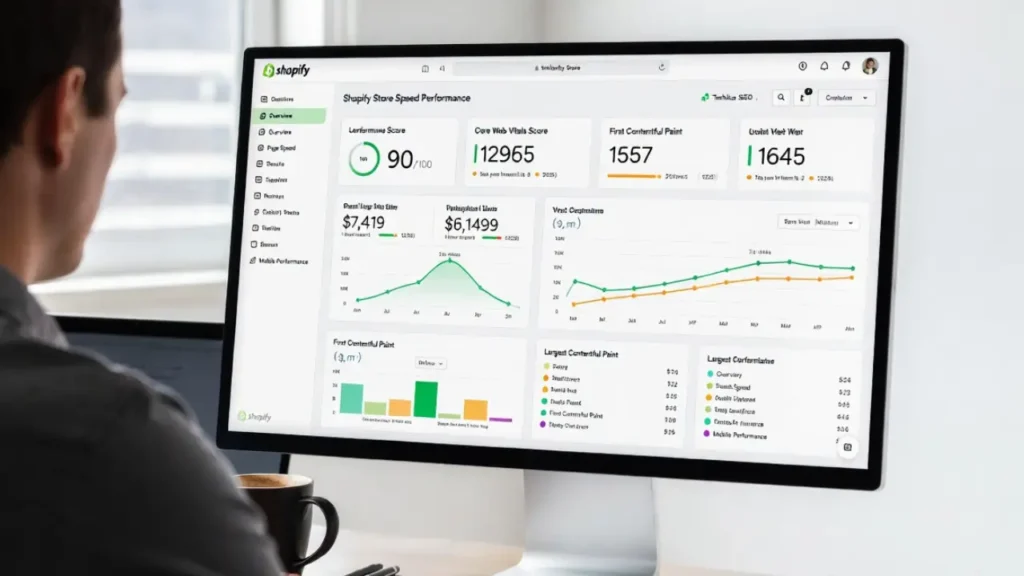
Slow sites lose visitors and rankings. Use tools like Google PageSpeed Insights to benchmark your load times. Focus on core web vitals: compress images, enable browser caching, and minify CSS/JS files. Plugins like WP Rocket can automate this. For high-traffic business sites, upgrading to optimized hosting can make a significant difference in user retention and technical WordPress SEO.
9. Enhance Internal Linking and Eliminate Orphaned Pages
Strong internal links distribute authority and guide crawlers. Audit your site to find orphaned pages (content not linked anywhere) and add relevant links from high-traffic pages. Tools that suggest links based on content can save time. This not only improves SEO but also keeps users engaged longer, signaling value to search engines in your technical WordPress SEO framework.
10. Create and Submit XML Sitemaps

Sitemaps act as roadmaps for crawlers. Generate one automatically with plugins that support various types (e.g., images, videos). Submit the sitemap URL to Google Search Console and Bing Webmaster Tools. For dynamic business sites with frequent updates, ensure your sitemap refreshes regularly to speed up indexing of new content as part of technical WordPress SEO.
11. Implement Schema Markup for Rich Results

Schema helps search engines display rich snippets, like star ratings or FAQs, increasing click rates. Add markup for your business type (e.g., LocalBusiness for brick-and-mortar) or content (e.g., Article for blog posts). Use plugins to apply it easily— this can give your listings an edge in competitive search results and boost technical WordPress SEO.
12. Fine-Tune Your Robots.txt File
Control crawler behavior with robots.txt. Block non-essential areas like /wp-admin/ to save crawl budget, while allowing key paths like /wp-content/uploads/. Include your sitemap here for easy discovery. Test changes carefully to avoid blocking important content, especially on complex business sites, to maintain optimal technical WordPress SEO.
13. Scan for Malware and Security Flags
A hacked site gets flagged by Google, plummeting traffic. Regularly scan with security plugins or services to detect vulnerabilities. If flagged, clean up immediately and request a review in Search Console. Proactive security protects your business reputation and maintains steady rankings in technical WordPress SEO.
14. Prioritize Server-Side Rendering Over Client-Side
For JavaScript-heavy sites, server-side rendering ensures content loads quickly and is fully crawlable. Client-side can lead to incomplete indexing. Test rendered HTML in Search Console’s “Live Test” to confirm. Businesses with interactive elements should optimize this for better performance across devices in their technical WordPress SEO checklist.
By following this technical WordPress SEO framework checklist, you’ll build a robust foundation that supports your business goals. If you’re seeing persistent issues or need expert help, Cope Business specializes in technical audits and optimizations tailored to your industry. Contact us to get a free consultation and start boosting your rankings today.
For more insights, check out our resources on SEO strategies for eCommerce and local businesses. Remember, technical WordPress SEO isn’t a one-time fix—review this checklist every six months or after major site changes to stay ahead.