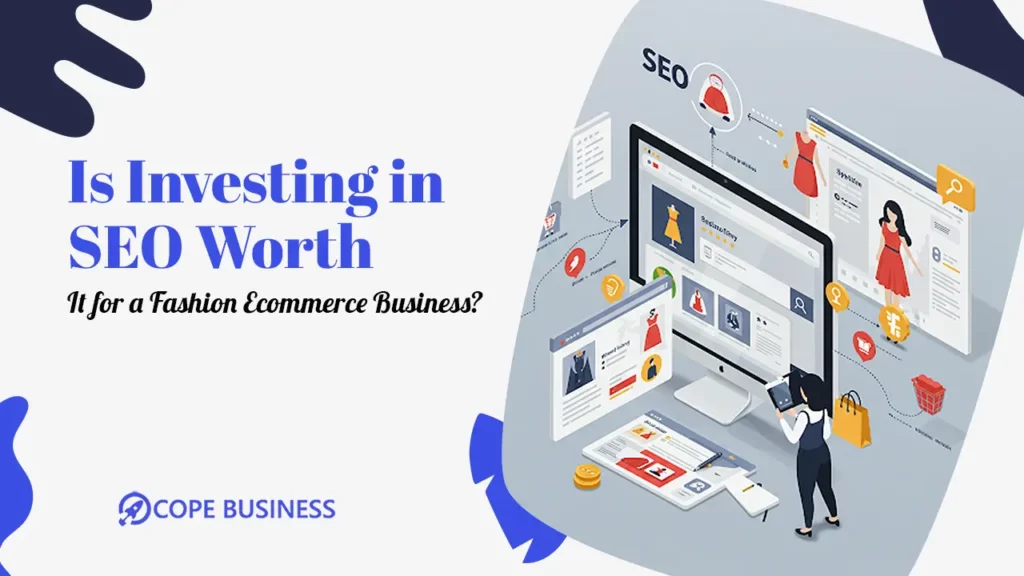
In today’s competitive fashion ecommerce landscape, standing out online is essential to gaining visibility, attracting customers, and ultimately increasing sales. One of the most effective ways to accomplish this is through Search Engine Optimization (SEO). But with so many marketing strategies available, the question arises: Is investing in SEO worth it for a fashion ecommerce business?
The short answer is a resounding yes. In fact, SEO for fashion ecommerce is one of the most valuable long-term investments you can make for your business. In this blog, we’ll explore why SEO is essential, how it impacts your bottom line, and actionable steps to ensure your fashion ecommerce business gets the traffic and conversions it deserves.
What is SEO for Fashion Ecommerce?
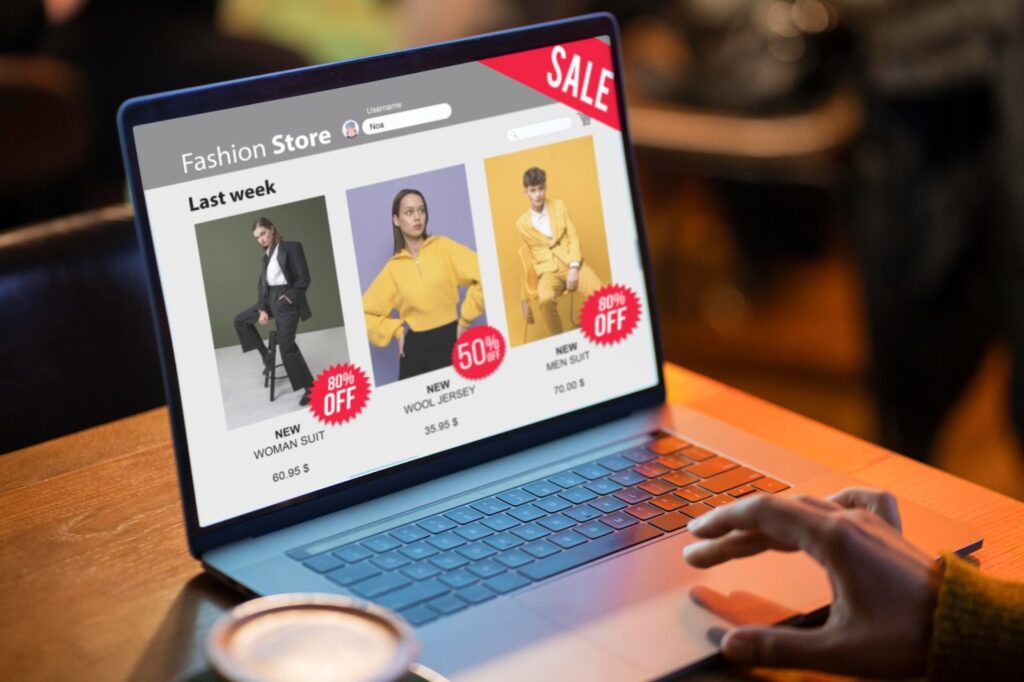
SEO for fashion ecommerce refers to optimizing your online store to improve its rankings on search engine results pages (SERPs). Unlike paid advertisements that require a continual investment, SEO aims to attract organic traffic through a mix of on-page, technical, and off-page strategies.
For fashion ecommerce, SEO includes optimizing key elements like:
- Product pages (titles, descriptions, images)
- Site structure (navigation, mobile optimization)
- Content creation (blogs, guides, lookbooks)
- Backlinking (earning links from authoritative sources)
When done right, SEO increases your online store’s visibility and helps you rank higher for relevant search terms. So, whether you sell luxury handbags, sustainable fashion, or trendy footwear, SEO ensures that customers can find you when they search for products like yours.
Why SEO is Essential for Fashion Ecommerce Businesses
1. More Organic Traffic, More Sales
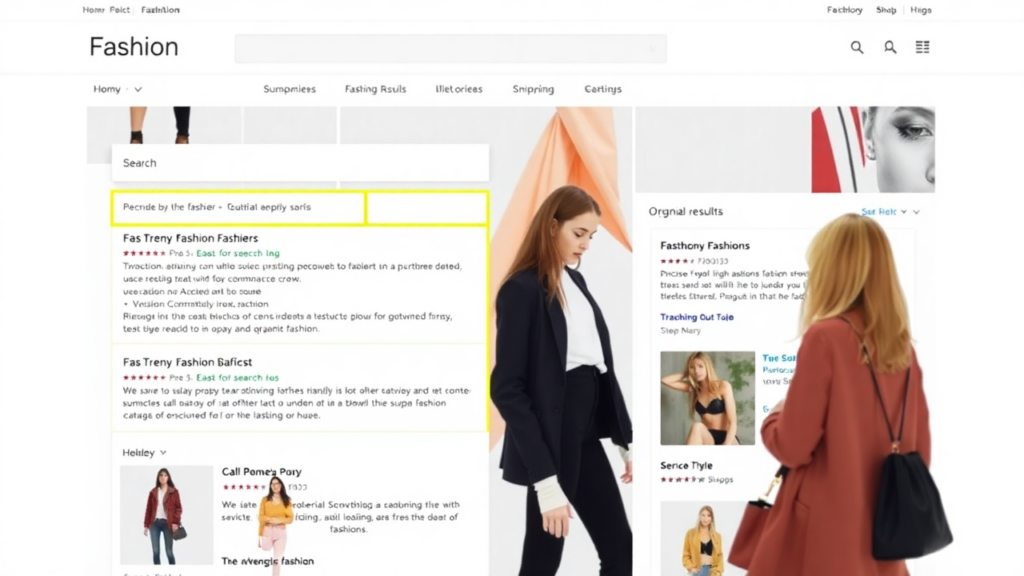
The most obvious reason for investing in SEO is the traffic it brings. According to statistics, 75% of users never click past the first page of search results, meaning that ranking on the first page of Google is crucial for visibility.
For example, let’s say your ecommerce site ranks for a keyword like “affordable summer dresses.” A customer searching for that term will likely click on one of the first few listings. If your store ranks high, you stand a much better chance of securing that click compared to being buried on page 10.
But the benefits go beyond just ranking. SEO drives high-intent traffic—users who are actively looking for what you offer. This leads to higher conversion rates. Unlike other forms of advertising where users might not be actively seeking to buy, SEO brings people who are already interested in your products.
2. Cost-Effective Marketing
One of the key advantages of SEO over paid advertising is its cost-effectiveness. While PPC (pay-per-click) ads can get expensive, particularly for high-competition keywords in the fashion industry, SEO brings in organic traffic that doesn’t cost you per click.
A well-optimized fashion ecommerce site, especially if you focus on long-tail keywords (e.g., “sustainable vegan leather handbags” or “bohemian maxi dresses for summer”), can rank well with less competition and lower cost. Over time, the traffic you receive from SEO is essentially “free” compared to ongoing ad spend.
Real-World Example:
Let’s say you’re spending $1,000 per month on Google Ads for a specific product category. After a few months of SEO efforts, your website begins to rank well for that category. You continue to drive organic traffic without paying for ads, saving your business money while still getting sales.
3. Long-Term Results
SEO is often described as a long-term strategy. While you might not see immediate results, the impact of SEO can last much longer than short-term tactics like paid ads or promotions. Once your website starts ranking for relevant keywords, you’ll see a steady stream of organic traffic coming in, even if you stop actively investing in SEO.
The key to long-term success is sustained SEO efforts—regularly updating product pages, adding fresh content, and building backlinks. As your site becomes more authoritative and your rankings improve, your organic traffic will continue to rise.
4. Improved User Experience
A successful SEO strategy goes hand-in-hand with a great user experience (UX). Google’s algorithm now places a strong emphasis on metrics like page load speed, mobile-friendliness, and ease of navigation when determining rankings.
For fashion ecommerce, a smooth, engaging user experience can make the difference between a potential customer bouncing off your site or completing a purchase.
Key UX factors for fashion ecommerce stores include:
- Mobile Optimization: A significant portion of ecommerce traffic comes from mobile devices. If your site isn’t mobile-friendly, potential customers may leave before they even browse your products.
- Fast Load Times: Customers expect quick loading times. Google has confirmed that page speed is a ranking factor, so a slow website can harm your SEO and frustrate customers.
- Clear Navigation: Ensure that your site is easy to navigate, with intuitive categories and filters to help users quickly find what they’re looking for.
5. Building Trust and Brand Authority
Being visible on the first page of Google helps build trust and authority. Customers are more likely to trust a brand that ranks well for their search queries. When your fashion ecommerce store appears at the top, it’s often seen as more credible than one buried on the second or third page.
Additionally, when your site earns backlinks from reputable sources, like fashion influencers, bloggers, and magazines, it not only boosts your SEO but also improves your brand’s credibility in the eyes of your customers. Brand authority can ultimately make a significant impact on customer loyalty and repeat business.
6. Targeting Specific Customer Segments
Fashion ecommerce businesses can benefit from SEO’s ability to target specific customer segments through long-tail keywords and location-based searches. For instance, a customer looking for “affordable plus-size activewear” will likely be more motivated to purchase if your site is tailored to that specific need.
SEO allows you to reach niche markets, whether you’re targeting specific styles (e.g., “vintage dresses” or “streetwear for teens”) or product attributes (e.g., “sustainable materials” or “handmade accessories”).
Practical Steps for Implementing SEO for Fashion Ecommerce
To make the most of your SEO investment, here are some actionable steps that you can implement on your fashion ecommerce site:
1. Keyword Research: A Foundation for Success
Keyword research is the cornerstone of any successful SEO strategy. Start by identifying the keywords that potential customers are searching for in relation to your fashion products. Use tools like Google Keyword Planner, Ahrefs, or SEMrush or AI-powered keyword research tools to find keywords with high search volume and low competition.
Pro Tip: Focus on long-tail keywords (e.g., “boho chic clothing for women” or “vintage leather handbags for men”). These are less competitive but highly targeted, making them perfect for attracting niche traffic.
2. Optimize Product Pages for SEO
Your product pages are where the magic happens. These pages must be optimized for both SEO and conversion.
- Title Tags: Include the product name, category, and relevant keywords. Example: “Black Leather Jacket for Women – Stylish & Durable”
- Meta Descriptions: Write compelling meta descriptions that highlight the product’s unique selling points and include a call to action.
- Product Descriptions: Craft detailed, keyword-rich descriptions that explain the features, benefits, and uses of the product.
- High-Quality Images: Fashion is visual, so make sure your product images are high-resolution, and don’t forget to use descriptive alt text to improve SEO.
- Customer Reviews: Positive reviews not only improve trust but also contribute to SEO by adding fresh, unique content to the page.
3. Create Engaging, SEO-Friendly Content
Content marketing is a great way to build your fashion brand’s authority and attract organic traffic. Consider creating:
- Fashion Guides: Write blog posts or guides like “How to Style a Little Black Dress” or “5 Must-Have Items for a Fall Wardrobe.” This can help you rank for specific, targeted keywords.
- Lookbooks: Curate seasonal lookbooks showcasing your products. These not only provide value but also serve as shareable content that can earn backlinks.
- Video Content: Fashion is visual, so creating video content like styling tips or behind-the-scenes looks can boost engagement and SEO.
- AI Content Writing Tools: Use AI-powered tools to streamline content creation, quickly generating high-quality, SEO-optimized content while saving time on drafting and brainstorming.
4. Mobile Optimization and Site Speed
As more consumers shop via mobile devices, mobile optimization becomes crucial. Ensure that your site’s design is responsive, meaning it automatically adjusts to fit different screen sizes.
Additionally, site speed is a ranking factor. Slow load times can hurt your SEO and frustrate users. Page speed optimization plays a key role in improving your site’s performance and user experience. Tools like Google PageSpeed Insights can help you analyze and improve your site’s load times, ensuring your site runs smoothly and efficiently across all devices.
5. Build Backlinks to Boost Authority
Backlinks from reputable websites are one of the most important ranking factors for Google. They serve as “votes of confidence” that signal to search engines that your content is valuable and trustworthy. This is a key component of off-page SEO, which focuses on increasing your site’s authority through external efforts.
To build backlinks, you can:
- Partner with influencers or fashion bloggers for product reviews or guest posts.
- Submit your store to online directories and fashion-related websites.
- Share your content on social media to increase visibility and encourage others to link to your site.
- Leverage AI link building tools to identify high-quality backlink opportunities and automate outreach, improving the efficiency and effectiveness of your strategy.
By incorporating AI-driven tools into your link building efforts, you can streamline the process and ensure you’re targeting the most relevant and authoritative sources for backlinks.
6. Measure, Analyze, and Optimize
Finally, monitor your SEO performance using tools like Google Analytics and Google Search Console. Track your traffic, keyword rankings, and conversion rates to see what’s working and what needs improvement. SEO is an ongoing process, so constantly refine your strategy.
Conclusion
In conclusion, yes, SEO is not just worth it for fashion ecommerce businesses—it’s an essential investment. SEO helps you attract organic traffic, build brand authority, increase conversions, and offer a better overall user experience. While SEO may take time to show results, the long-term benefits far outweigh the costs.
By implementing the actionable steps discussed in this post, you can ensure that your fashion ecommerce business stays ahead of the competition and thrives in the ever-changing digital landscape.