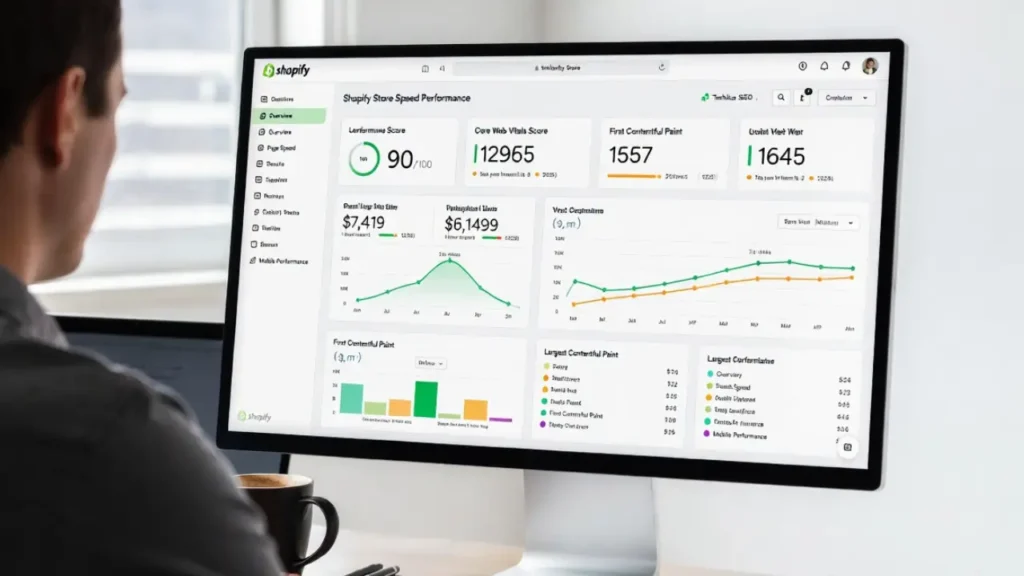
WordPress optimization isn’t just about plugins and themes — true performance gains come from server level optimization tips tweaks that reduce Time to First Byte (TTFB), handle traffic spikes, and ensure stability. With Google’s Core Web Vitals stricter than ever and mobile traffic dominating, server optimizations like HTTP/3, advanced caching, and database tuning can cut load times by 30–50%, boost rankings, and lower bounce rates.
At Cope Business, server-level optimizations are a core part of our technical SEO audit services and WordPress speed optimization services, helping clients achieve sub-2-second loads even on high-traffic sites.
This guide covers the most impactful server-level optimization tips for WordPress — from hosting choices to advanced configs. We’ll explain why each matters and how to implement them step by step.
Why Focus on Server-Level Optimization for WordPress?
- Faster TTFB: Server tweaks reduce initial response time, improving LCP and overall speed
- Better Scalability: Handles traffic surges without crashes or slowdowns
- Improved SEO: Google favors fast, reliable sites; poor server performance hurts rankings
- Cost Savings: Optimized servers use less resources, lowering hosting bills
- Enhanced Security: Many optimizations (e.g., HTTP/3) include built-in protections
- User Experience: Quicker loads keep visitors engaged longer
Ignoring server optimizations leaves your site vulnerable to bottlenecks — even with the best plugins.
Step-by-Step Server-Level Optimization Tips
1. Choose the Right Hosting & Server Environment
- Managed WordPress Hosting: Switch to SiteGround, Kinsta, or WP Engine — they handle server tweaks like auto-scaling, SSD storage, and NGINX/Apache optimization.
- PHP Version: Upgrade to PHP 8.3+ (in hosting panel) — 30–50% faster than 7.x; check compatibility first.
- Server Type: Use NGINX over Apache for faster static file serving; enable HTTP/3 (QUIC) for quicker connections (Cloudflare free plan supports it).
- Implementation: Log in to hosting dashboard → PHP Manager → Select 8.3 → Enable HTTP/3 if available.
Expected Improvement: 100–300ms lower TTFB.
2. Enable Advanced Server Caching
- Opcode Caching: Enable OPcache in PHP settings (hosting panel) — caches compiled PHP code.
- Object Caching: Use Redis or Memcached (hosting add-on) for database queries — reduces DB load by 50–80%.
- Full-Page Caching: Enable Varnish or NGINX FastCGI Cache (on VPS hosts like DigitalOcean).
- Implementation: In SiteGround → Speed > Caching → Enable Memcached/Redis; for VPS, add to server config.
Expected Improvement: 200–500ms on dynamic pages.
3. Optimize Database at Server Level
- Use InnoDB Engine: Ensure tables use InnoDB (phpMyAdmin > Operations > Storage Engine).
- Increase Query Cache: In my.cnf (server config): query_cache_size = 64M (ask host if shared).
- Tune MySQL: Set innodb_buffer_pool_size to 50–70% of RAM (VPS only).
- Implementation: Use phpMyAdmin → Select DB → SQL tab → OPTIMIZE TABLE wp_options; (replace table name).
Expected Improvement: Faster queries, lower CPU usage.
4. Implement CDN & Edge Caching
- CDN: Use Cloudflare (free) or BunnyCDN ($1/month+) — caches static files at global edges.
- Edge Rules: In Cloudflare → Rules → Cache everything (with exceptions for dynamic pages).
- Implementation: Sign up for Cloudflare → Add site → Update DNS → Enable Cache Level: Standard.
Expected Improvement: 50–200ms for global users.
5. Secure & Harden Server Config
- Block Bad Bots: Add to .htaccess:text
RewriteCond %{HTTP_USER_AGENT} (badbot|evilspider) [NC] RewriteRule ^ - [F,L] - Enable ModSecurity: In cPanel → Security → ModSecurity → Enable.
- Firewall Rules: Use hosting WAF to block suspicious IPs/requests.
- Implementation: See our guide.
Expected Improvement: Reduced spam load, faster for real users.
6. Monitor & Test Server Performance
- Tools: New Relic (free tier), Query Monitor (plugin), GTmetrix/Server Timing.
- Log Analysis: Check access/error logs for bottlenecks.
- Implementation: Install Query Monitor → Check slow queries; use GTmetrix for TTFB.
Best Practices for Server-Level Optimization
- Always test on staging — never live.
- Backup before changes (UpdraftPlus).
- Start with hosting upgrade if on cheap shared — biggest bang for buck.
- Combine with client-side opts (Critical CSS, preload — see our guide).
- SEO: Faster server = better rankings; monitor with Search Console.
Server optimizations can cut TTFB by 50%+ — transformative for speed.
Final Thoughts
Server-level optimization is the foundation of a fast WordPress site — focus on hosting, caching, and database tweaks for the biggest gains. Implement these tips step by step, and you’ll see measurable improvements in speed and SEO.
Speed starts at the server — optimize it right.
Slow server or high TTFB? Need a full optimization audit? Contact Cope Business for a free technical SEO consultation — we’ll analyze your server setup and implement custom optimizations for peak performance.