Pagination SEO is a critical yet often overlooked part of technical SEO. If your website has blog archives, product categories, or long content lists split across multiple pages, pagination helps users navigate — but it can also impact how search engines crawl and index your site.
When implemented incorrectly, pagination can dilute link equity, create duplicate content issues, and waste crawl budget. In this guide, we’ll explain Pagination SEO best practices and how to optimize paginated pages for higher rankings.
What is Pagination in SEO?
Pagination refers to dividing content across multiple pages, typically labeled:
- Page 1
- Page 2
- Page 3
- Next / Previous
You’ll commonly see pagination on:
- Blog archive pages
- eCommerce category pages
- Forum threads
- News listings
Example URL structure:
/blog/page/2/
While pagination improves user experience, search engines must understand the relationship between these pages — that’s where Pagination SEO becomes essential.
Why Pagination SEO Matters
Proper Pagination SEO helps:
- Improve crawl efficiency
- Distribute link equity
- Prevent duplicate content
- Enhance user navigation
- Boost indexation of deep pages
If pagination is not optimized, Google may:
- Index only Page 1
- Ignore deeper pages
- Miss important products or posts
Pagination SEO Best Practices
1. Use Self-Referencing Canonical Tags
Each paginated page should have its own canonical tag pointing to itself — not Page 1.
Correct Example:
- Page 2 canonical → Page 2
- Page 3 canonical → Page 3
This prevents search engines from treating paginated pages as duplicates.
2. Optimize Pagination URLs
Keep URLs clean and structured.
Good:
/blog/page/2/
Bad:
/blog?pg=2&id=4587
SEO-friendly URLs improve crawlability and user trust.
3. Avoid Noindexing Paginated Pages
Many site owners mistakenly add noindex to paginated pages.
This is harmful because:
- Search engines can’t crawl deeper links
- Products and posts lose visibility
Instead, allow indexing but optimize them properly.
4. Implement Rel=”Prev” and Rel=”Next” (Optional)
Google no longer uses rel=”prev/next” as an indexing signal, but it still helps accessibility tools, browsers, and other search engines understand page relationships.
5. Optimize Internal Linking
Internal links help search engines move through paginated content efficiently.
Example internal links:
This strengthens crawl paths and distributes authority across pages.
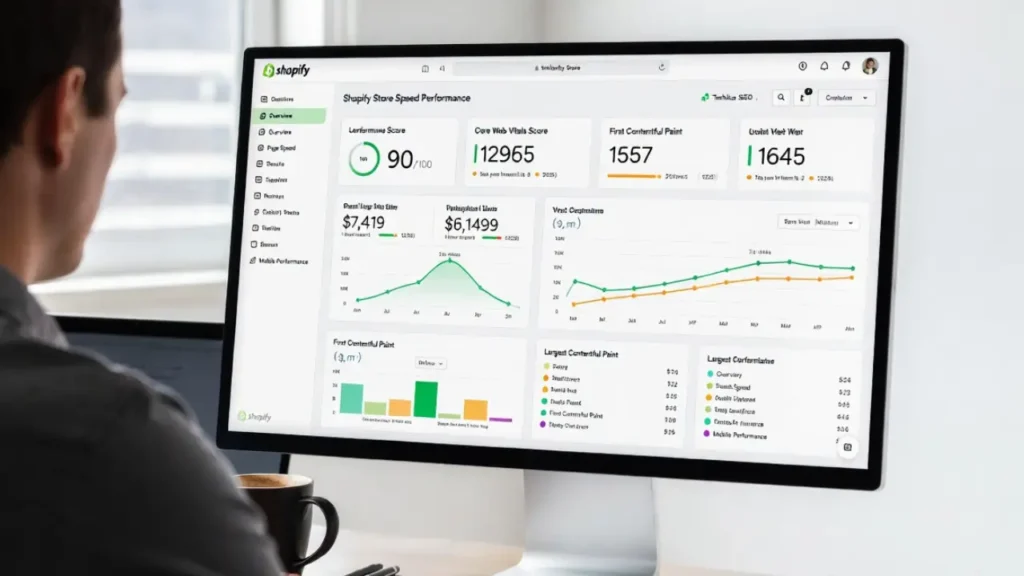
6. Improve Load Speed of Paginated Pages
Large category or archive pages can slow down performance.
Best practices include:
- Use lazy loading
- Limit posts/products per page
- Optimize images
- Enable caching
Faster pages lead to better rankings and improved user experience.
Pagination SEO for WordPress
If you’re using WordPress, pagination is built into blog archives, categories, and tag pages.
To optimize Pagination SEO in WordPress:
- Ensure SEO plugins add self-canonical tags
- Optimize paginated meta titles
- Avoid thin content pages
- Use breadcrumbs for navigation
Common Pagination SEO Mistakes
Avoid these common errors:
- Canonicalizing all pages to Page 1
- Blocking paginated URLs in robots.txt
- Adding noindex tags
- Using infinite scroll without pagination
- Broken navigation links
Pagination vs Infinite Scroll
Many modern websites use infinite scroll instead of pagination.
Best practice is to combine infinite scroll with crawlable paginated URLs so search engines can still access deeper content.
Final Thoughts
Pagination SEO plays a major role in how search engines crawl large websites. Proper implementation ensures that all your content — not just Page 1 — gets discovered and indexed.
By using self-canonical tags, optimizing URLs, strengthening internal linking, and improving page speed, you can turn pagination into an SEO advantage.
If you need help optimizing pagination or technical SEO, visit Technical SEO Service for professional SEO solutions.