When searching for information or guidance on Google, you’re likely to come across elements like answer boxes or image packs. For example, when looking up famous personalities, an information panel often appears prominently on the right side of the screen. These unique results, called SERP features, differ from the typical top ten listings. In this article, we’ll discuss various types of SERP features, why they matter, and strategies to optimize your content for better visibility.
What Are SERP Features?
SERP features are special visual elements that Google incorporates into search results to improve user experience and provide information more efficiently. These can include elements like answer boxes, featured snippets, video results, and site links. Unlike traditional organic search results, SERP features are designed to stand out by offering visuals, quick answers, or extra links.
Why Are SERP Features Important?
SERP features play a crucial role because they attract user attention more effectively than regular search results. Appearing in one of these features can boost your website’s visibility, even if it doesn’t rank in the top positions. However, without optimization, these features can push your site further down the page, potentially lowering your click-through rate (CTR). To maximize organic traffic and improve your digital strategy, it’s important to monitor and optimize for these features.
Types of SERP Features
Google’s search results pages (SERPs) contain a variety of unique features that enhance the user experience. Here are some of the most common types of SERP features:
1. Sitelinks
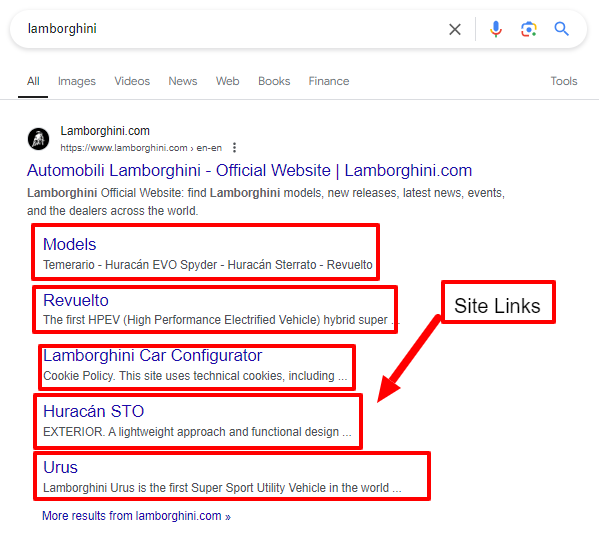
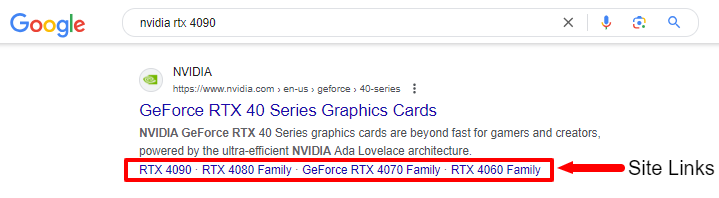
Sitelinks are the links displayed below a main search result, directing users to specific pages on a website. They enhance navigation and provide users with a quick way to access relevant content. To increase the chances of having site links displayed, focus on creating a well-structured website with clear categories and subcategories.
How to Achieve It:
Site links are automatically generated by Google based on your website’s structure and relevance to the query. To increase the chances of earning site links, ensure your site is well-organized with a clear hierarchy and logical navigation. Use internal linking strategies to connect important pages and make your site easy to crawl.
A strong XML sitemap submitted to Google Search Console can also help Google identify key pages for site links. Optimizing meta tags, especially titles and descriptions, to be concise and clear will also improve your chances.
2. Featured Snippet
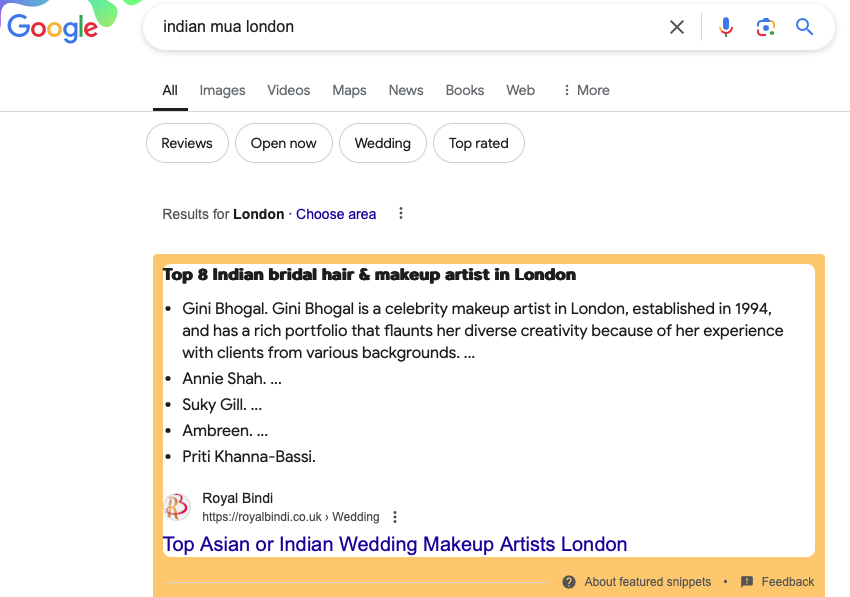
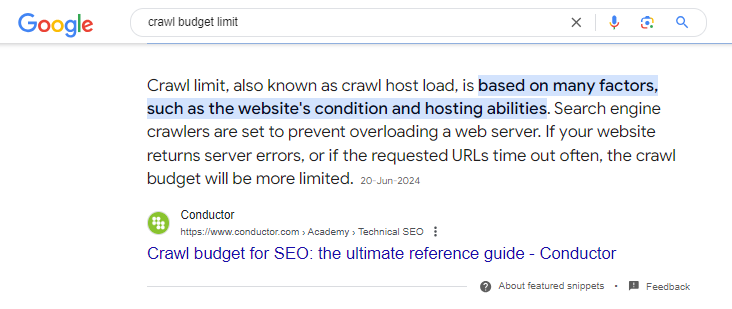
Featured snippets provide a direct answer to a user’s query, often displayed in a box at the top of the search results. Formats include paragraphs, lists, or tables. Optimizing for featured snippets can dramatically improve visibility and significantly increase organic traffic. To achieve this, focus on targeting specific questions related to your content and structuring your answers.
How to Achieve It:
To rank in featured snippets, create high-quality, concise content that directly answers commonly asked questions. Use question-based headings (like H2 or H3) and provide direct, clear answers beneath them. Featured snippets often appear in paragraph, list, or table formats, so structure your content accordingly. Target specific keywords with questions such as “how,” “what,” or “why.” Adding schema markup for articles or FAQs can also enhance your chances of being pulled into a featured snippet.
3. Rich Snippet
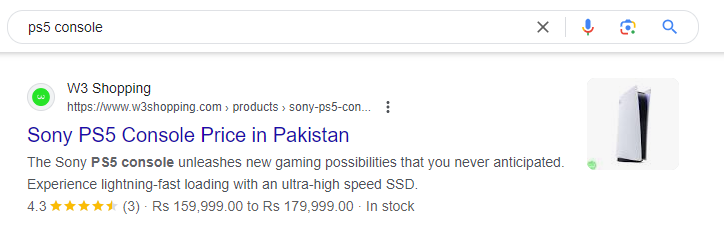
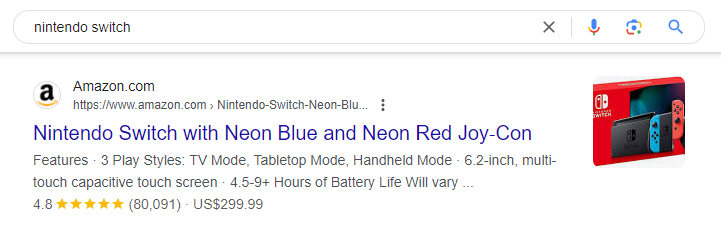
Rich results are enhanced search results that display additional information directly on the search engine results page (SERP). Unlike traditional search results that only show the title, URL, and meta description, rich results include visually appealing elements such as images, ratings, reviews, and other structured data.
How to Achieve It:
Rich snippets are search results that display additional information such as ratings, prices, or images. You can achieve rich snippets by implementing structured data (schema markup) on your website. Use tools like Google’s Structured Data Markup Helper to generate proper schema for your pages. Common types of schema that produce rich snippets include recipe, product, review, and event schema. Ensure your markup is correctly formatted, and test it using Google’s Rich Results Test to verify it works.
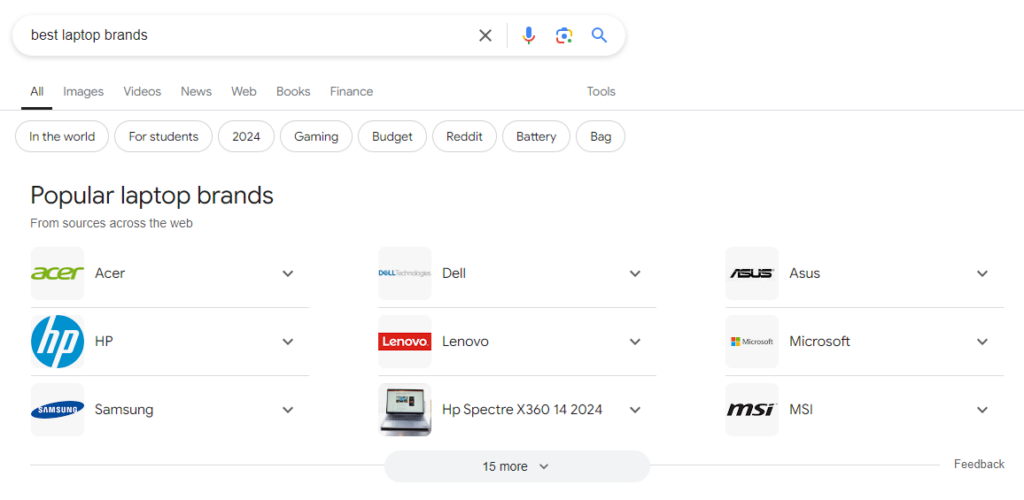
4. From Sources Across The Web
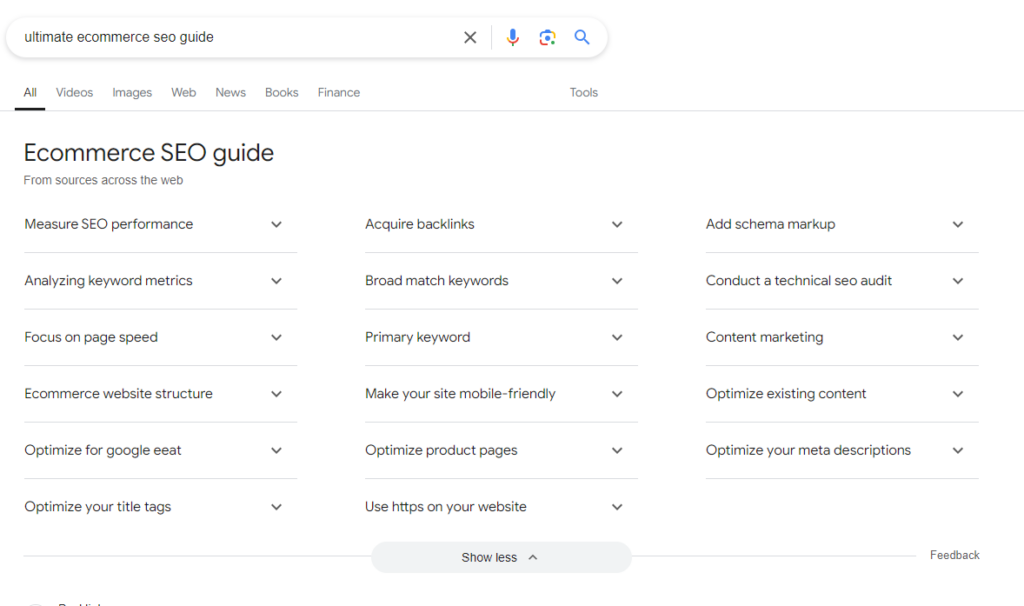
The “From sources across the web” SERP feature aggregates content from various websites and displays it in a concise format. This is a Google SERP feature that pulls in data, reviews, or ratings from different sources and presents them in a summary format, often used for products, businesses, or service-related searches. It’s a way for users to quickly gauge opinions or ratings without clicking through to individual sites.
How to Achieve It:
This feature aggregates information from various sites. To increase the likelihood of appearing here, consistently publish high-quality, authoritative content that is cited or linked by other reputable websites. Ensure your site is well-optimized for SEO, and focus on creating trustworthy and credible content, such as reviews, product comparisons, or articles that provide expert analysis. Gaining backlinks from high-authority domains can also boost your chances.
5. Image Pack
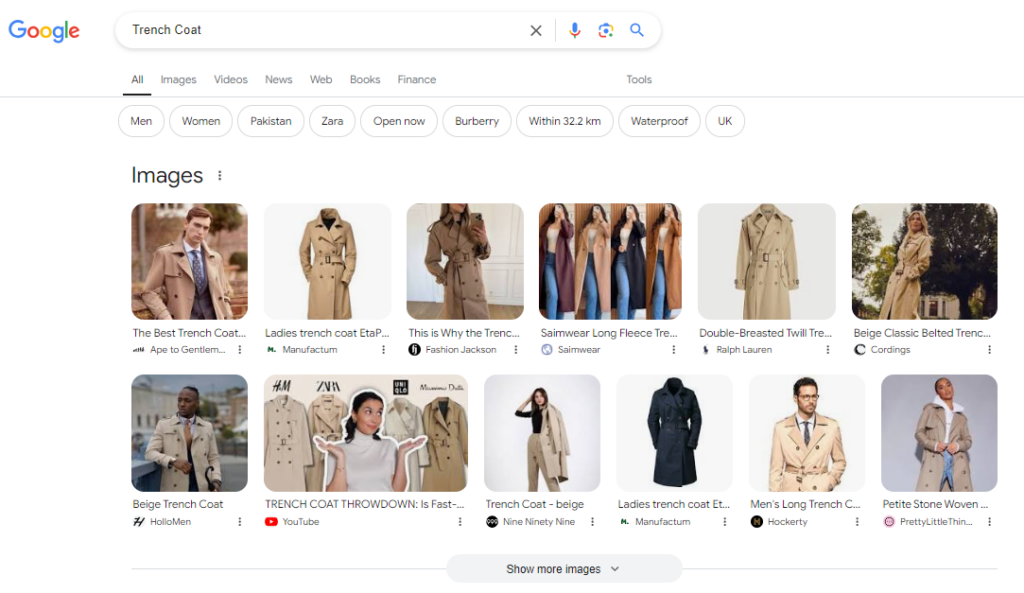
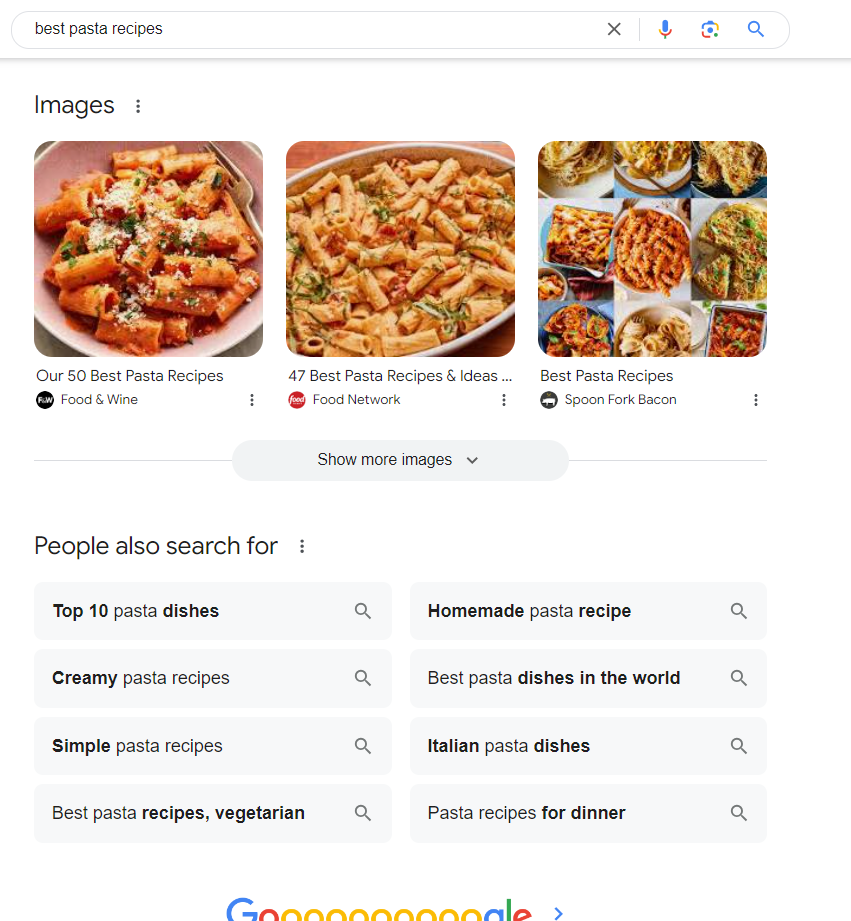
The image pack features a selection of images related to a user’s query, prominently displayed above organic results. To optimize for image packs, ensure images are high-quality, relevant, and properly tagged with alt text. This not only enhances visibility but also improves the chances of attracting clicks.
How to Achieve It:
Optimizing for the image pack involves using high-quality, relevant images on your site. Ensure that all images have descriptive filenames and alt tags, with proper keywords. Use structured data to provide context for your images, and make sure the images are appropriately sized and mobile-friendly. Google prioritizes images from authoritative sites, so work on building domain authority and backlinks.
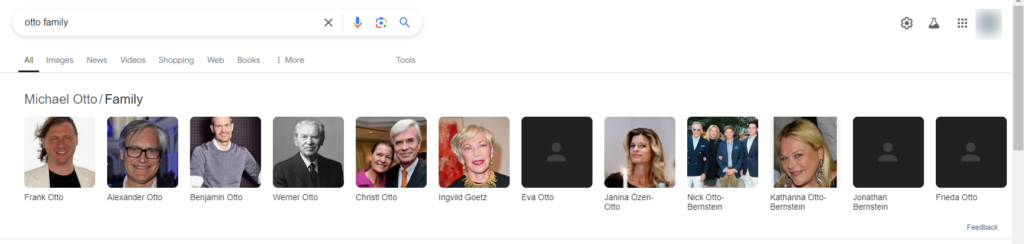
6. Organic Carousel
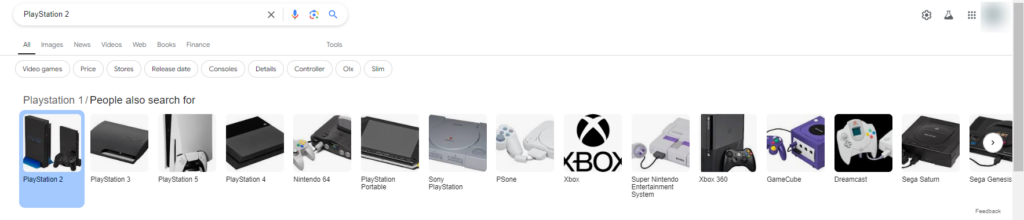
Organic carousels display a horizontally scrollable set of results, often for categories like products or articles. To optimize for carousel placement, create engaging, visually appealing content that encourages clicks. Use structured data markup to help search engines understand your content better.
How to Achieve It:
To appear in an organic carousel, which showcases multiple results in a scrollable format, ensure that your content is visually appealing and structured properly using schema markup. Carousels often feature articles, products, or recipes, so provide relevant and engaging content. Use rich media like high-quality images and videos and ensure your site loads quickly and is mobile-responsive. Create content clusters around specific topics to boost relevancy.
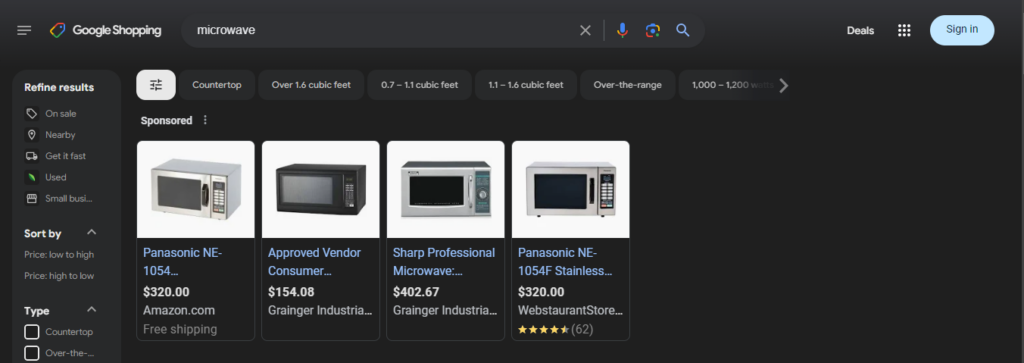
7. Shopping Ads
Shopping ads showcase products directly in search results, complete with images and pricing. To optimize, and ensure product listings are complete with high-quality images and detailed descriptions. Additionally, utilizing Google Merchant Center can enhance your product visibility in these ads.
How to Achieve It:
To feature in Shopping Ads, you need to set up a Google Merchant Center account and link it to Google Ads. Make sure your product data feed is accurate and complete, with high-quality images, proper categorization, and detailed descriptions. Use competitive pricing strategies, and regularly update your inventory to stay current. Optimize product titles and descriptions with keywords to increase visibility.
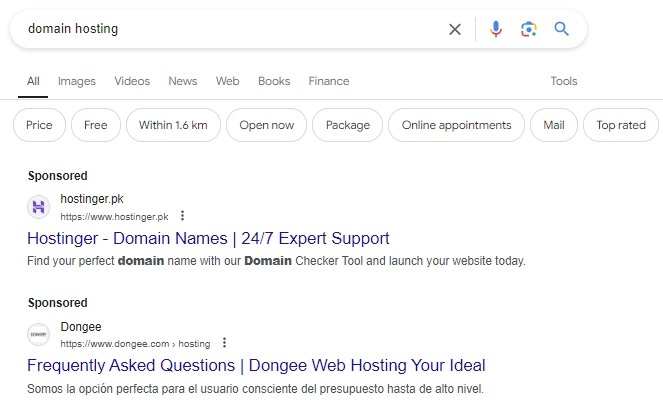
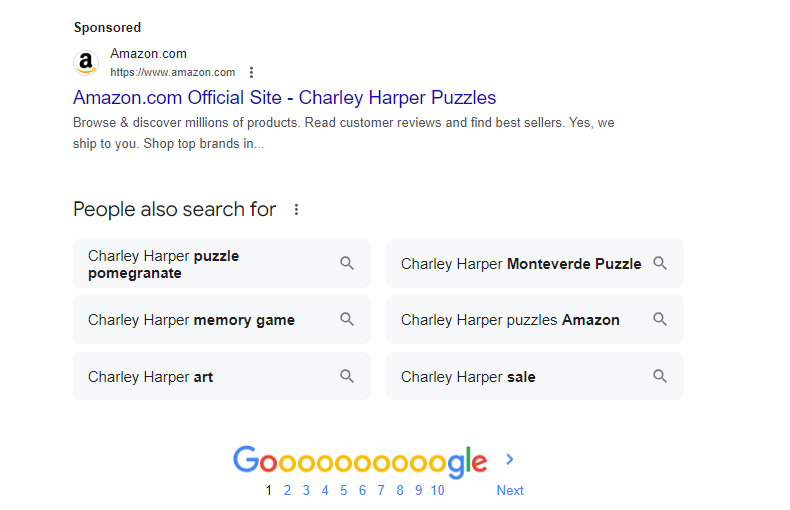
8. Ads (Top, Middle, Bottom)
Ads can appear at various points on the SERP, including the top, middle, or bottom. Understanding user behavior and targeting relevant keywords can enhance the effectiveness of these ads. Conduct thorough keyword research to identify the most effective terms for your audience, and regularly test different ad copies to improve performance.
How to Achieve It:
Appearing in paid search ads depends on your Google Ads campaigns. Use thorough keyword research to identify the most relevant and cost-effective keywords. Create high-quality, relevant ad copy that matches user intent and directs users to optimized landing pages. Adjust bids to compete for top positions and continuously test ad variations for performance. Monitor quality scores, and improve them by enhancing ad relevance and landing page experience.
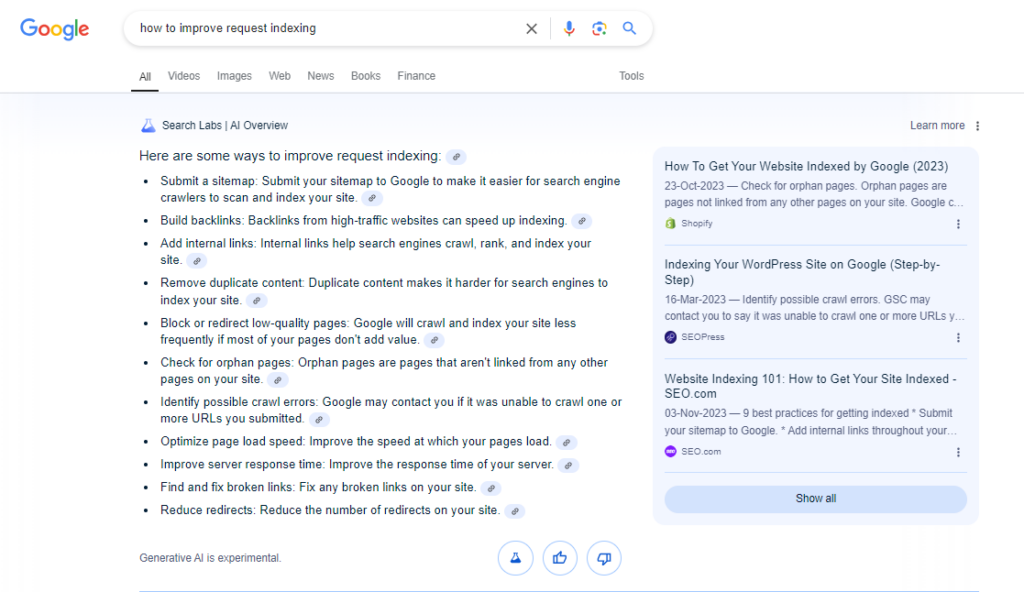
AI Overview
AI-driven search features have begun reshaping SERPs, influencing how information is presented. This includes tailored answers based on user behavior and search history. Businesses should focus on creating authoritative content to ensure they are featured prominently in these AI-driven sections.
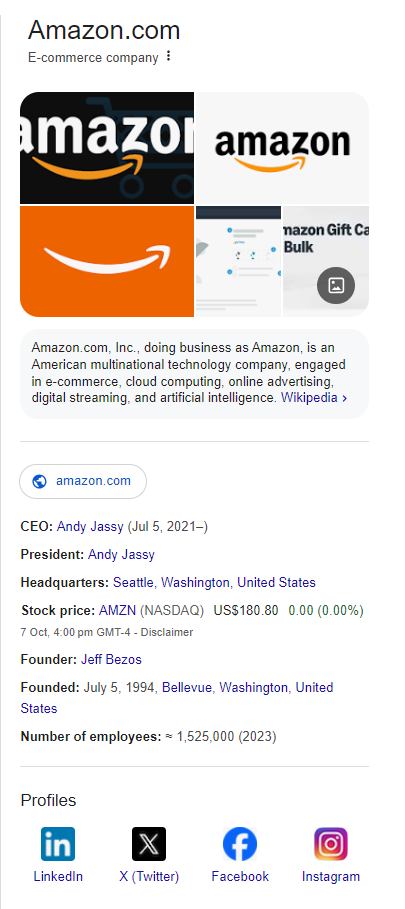
Knowledge Panel
A Knowledge Panel can greatly enhance a brand’s authority, displaying information that helps users understand more about a business or topic. To qualify for a Knowledge Panel, ensure your brand’s information is accurate and readily available online, including details on your website, social media, and reputable directories.
Things to Know
The “Things to Know” section lists related queries, providing users with additional insights. Businesses can aim to appear in this section by creating comprehensive content that addresses common questions within their industry.
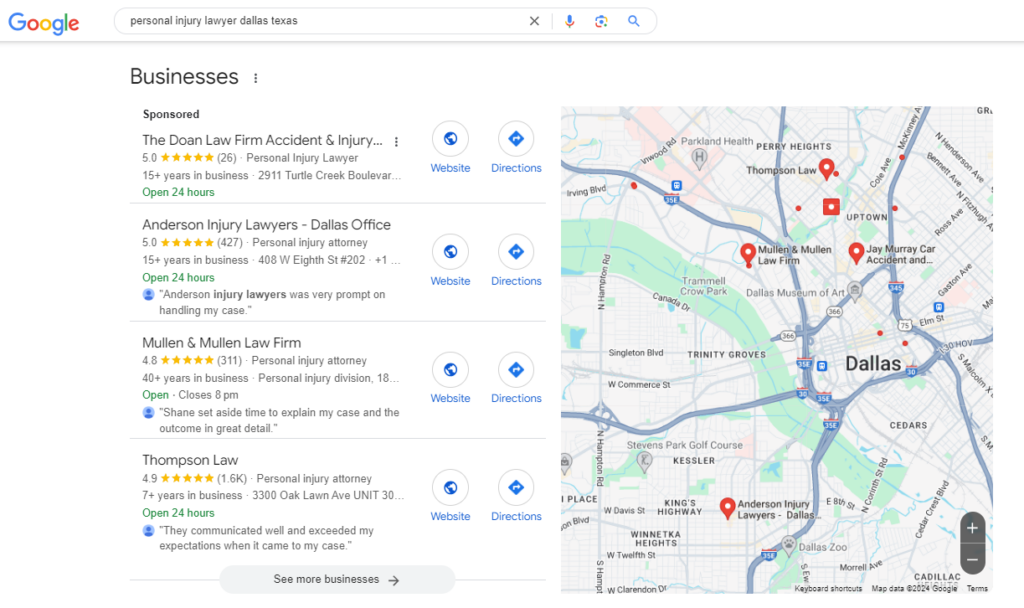
Local Pack
The local pack displays businesses relevant to the user’s location. To optimize for local searches, ensure your Google My Business profile is complete and accurate. Encourage customers to leave reviews and respond promptly to enhance your local visibility.
Address Pack
The address pack showcases specific addresses relevant to the search query, helping users find local businesses quickly. Accurate location data is essential for appearing in this feature. Ensure your contact information is consistent across all online platforms.
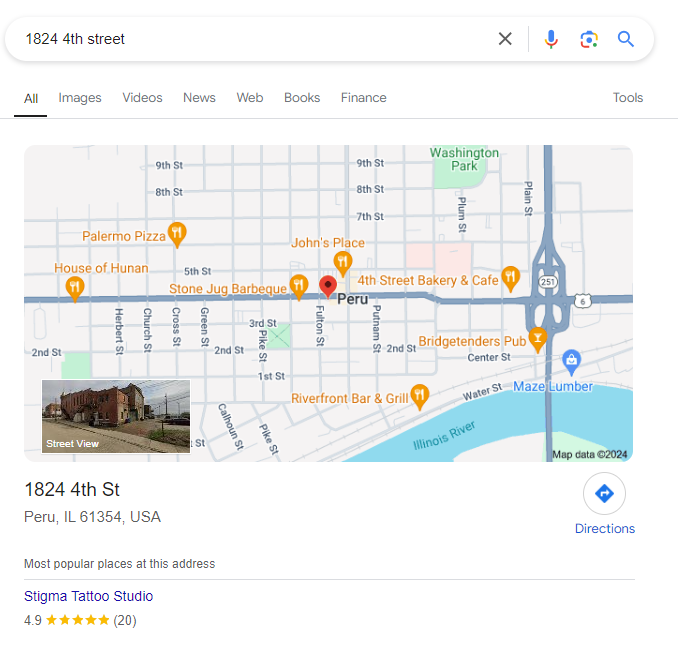
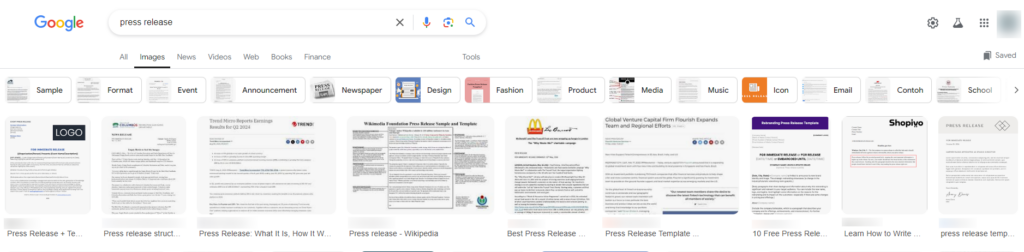
Image Results
Image results can significantly impact user interaction. Optimizing images with proper tags and descriptions increases the likelihood of appearing in image results. Additionally, consider creating visually engaging content that encourages users to click through to your website.
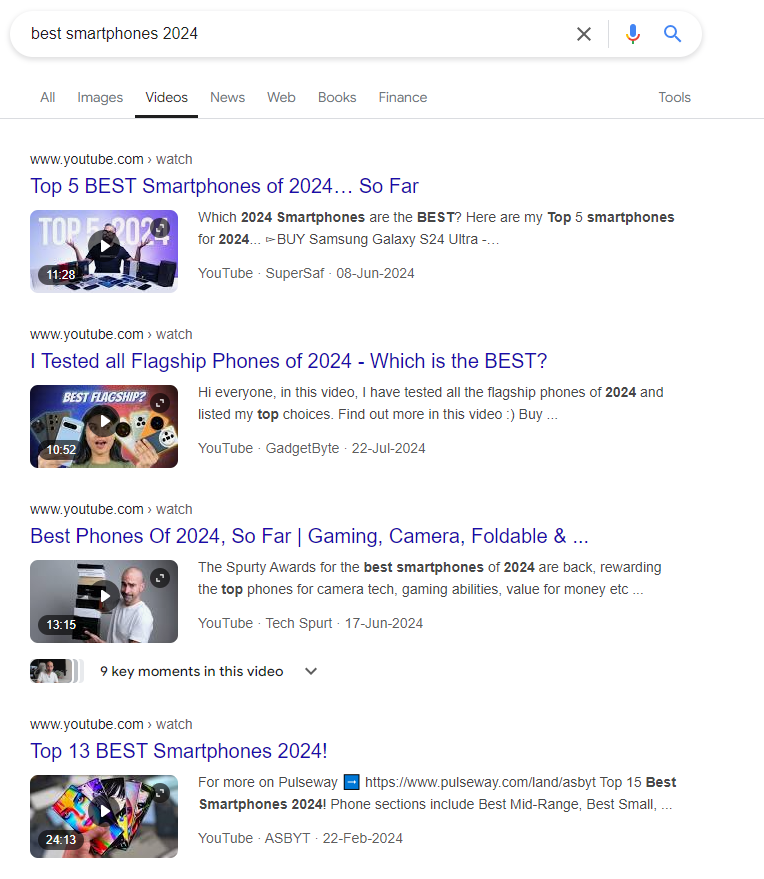
Video Results
Video content plays a vital role in SERPs, often leading to higher engagement rates.
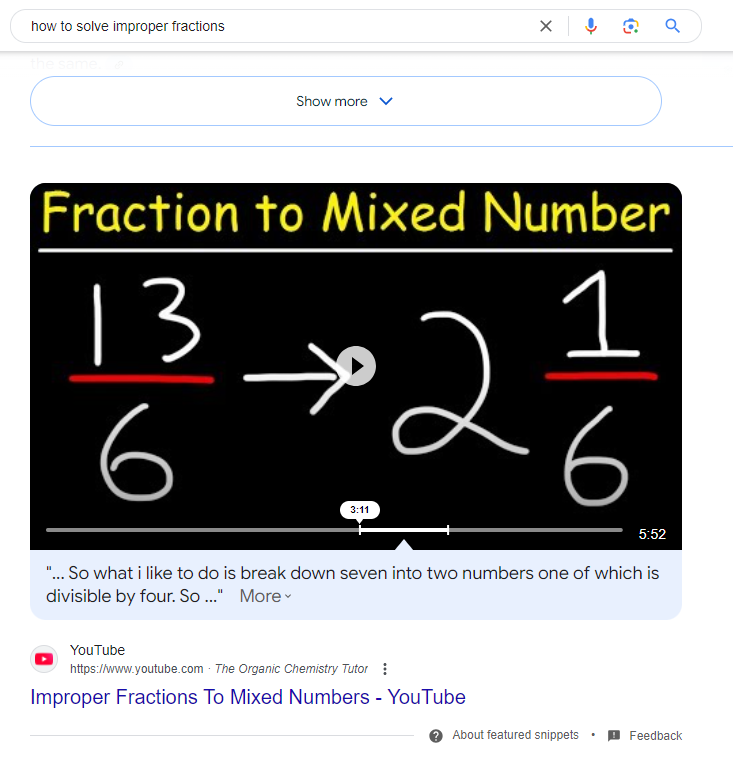
Featured Video
A featured video is prominently displayed and can dramatically increase click-through rates. Create engaging video content that answers common queries and ensures it is optimized for search engines with relevant tags and descriptions.
Video Carousel
Video carousels display a selection of videos related to a search query. To optimize, ensure videos are relevant and properly tagged. Promote your videos on social media to increase their reach and visibility.
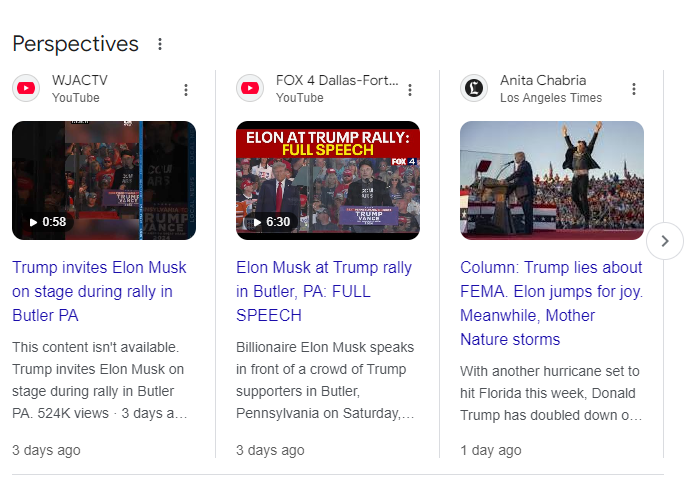
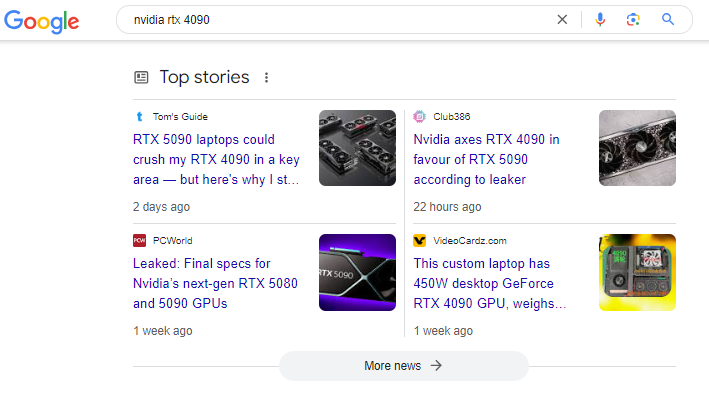
Top Stories
The Top Stories feature highlights current news articles. To optimize, create timely, high-quality content that addresses trending topics. Use schema markup for news articles to enhance visibility and improve chances of appearing in this section.
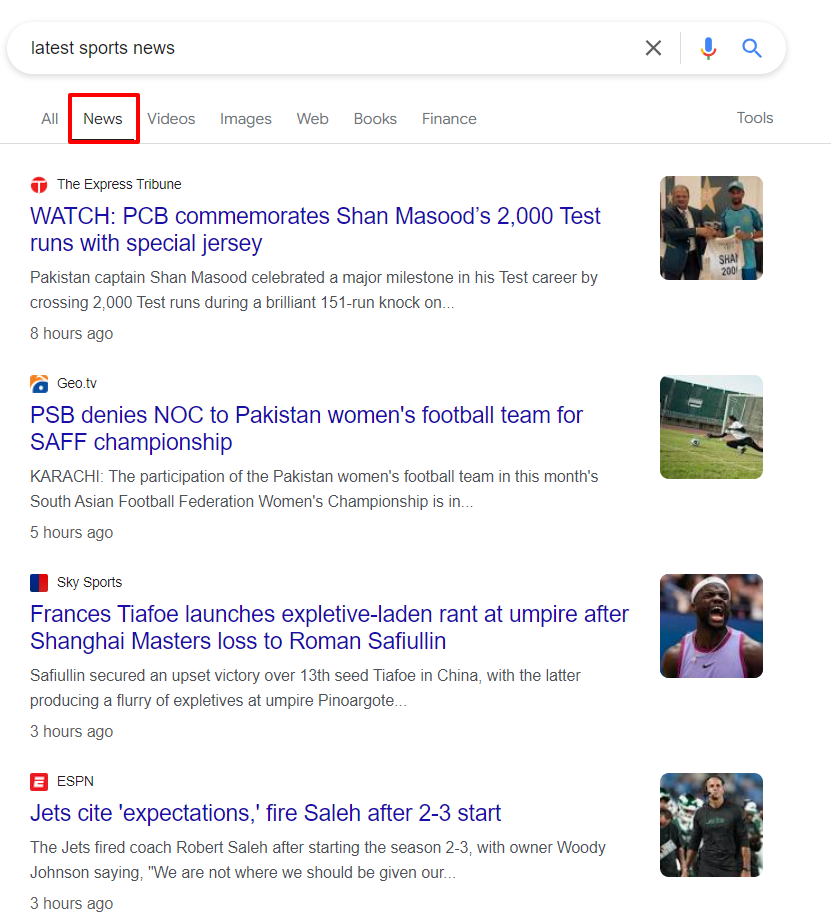
News Results
News results provide users with additional articles related to a query. Regularly updating content and focusing on timely subjects can enhance visibility in this area. Incorporating relevant keywords and maintaining a consistent publishing schedule can improve your chances of appearing in news results.
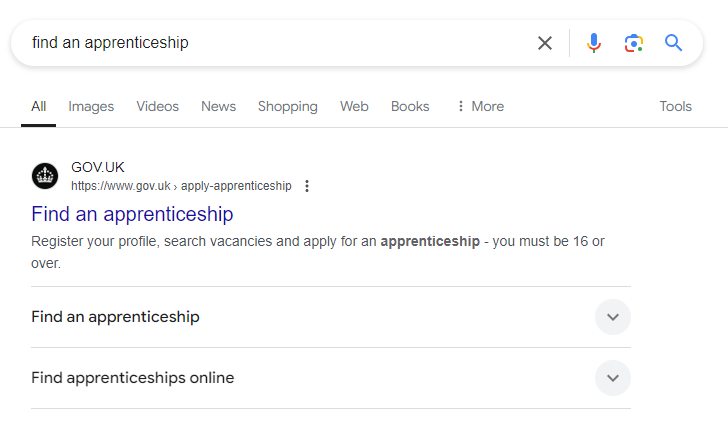
FAQ
Well-structured FAQs improve user experience and can enhance visibility in search results. Use schema markup to help search engines identify your FAQs, making it more likely for them to be featured in SERPs.
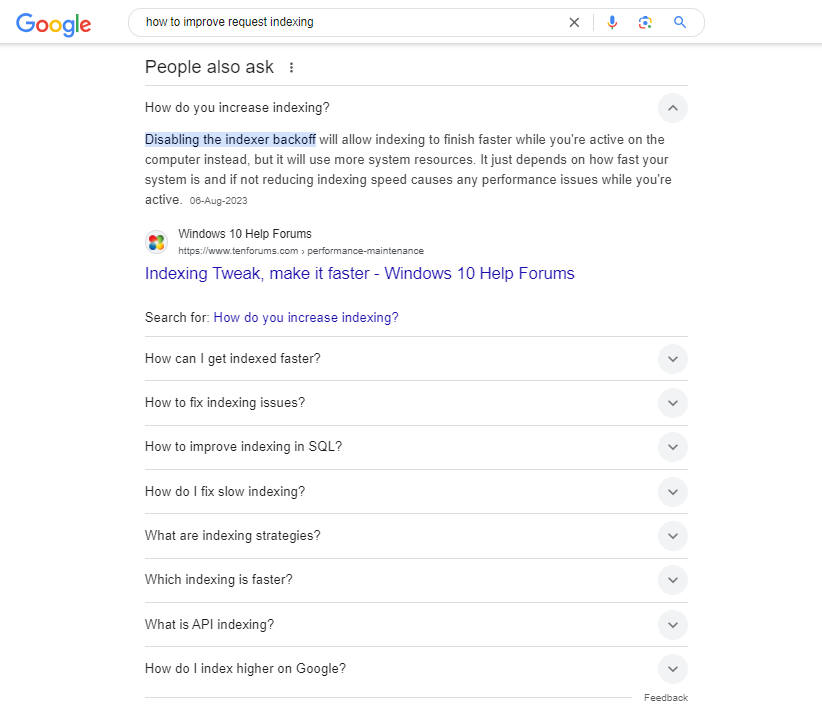
People Also Ask
The People Also Ask feature provides users with additional questions related to their query. To optimize for this section, create content that answers common questions and incorporates relevant keywords. Regularly updating this content can improve your chances of appearing here.
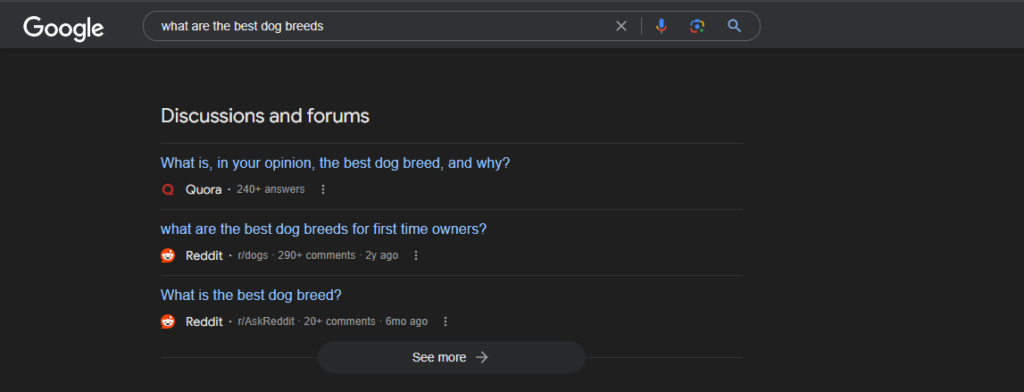
Discussions and forums
Discussion results showcase conversations around specific topics and can be a valuable source of user-generated content. Actively participating in relevant online forums and communities can help your brand gain visibility in this area.
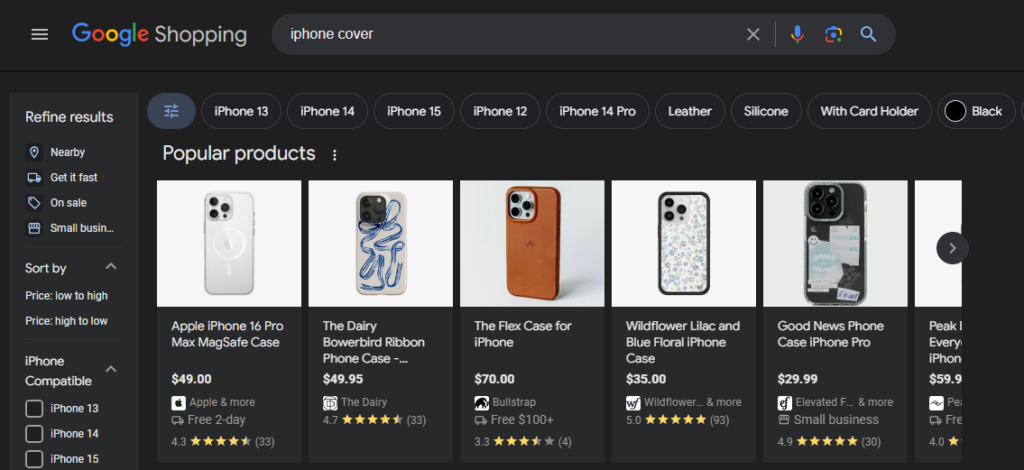
Popular Products
Popular product listings appear prominently in search results, influencing purchase decisions. To improve visibility, ensure that product pages are optimized with high-quality images and detailed descriptions.
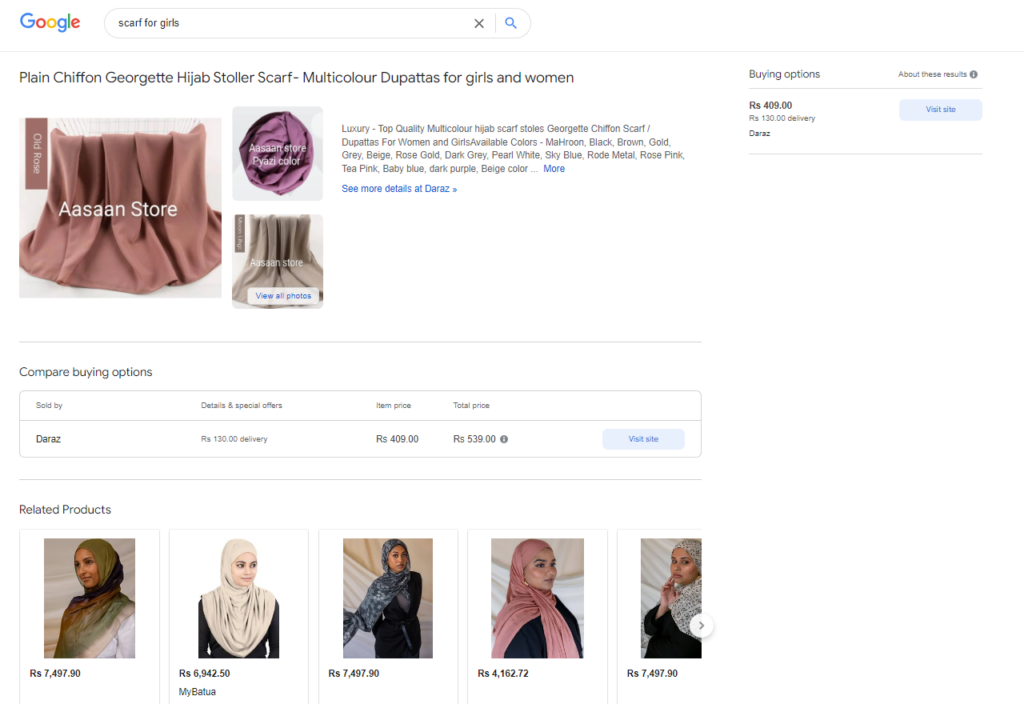
Related Products
Related products in SERPs can significantly impact user behavior. Use internal linking strategies to connect related products on your website, enhancing user experience and encouraging additional purchases.
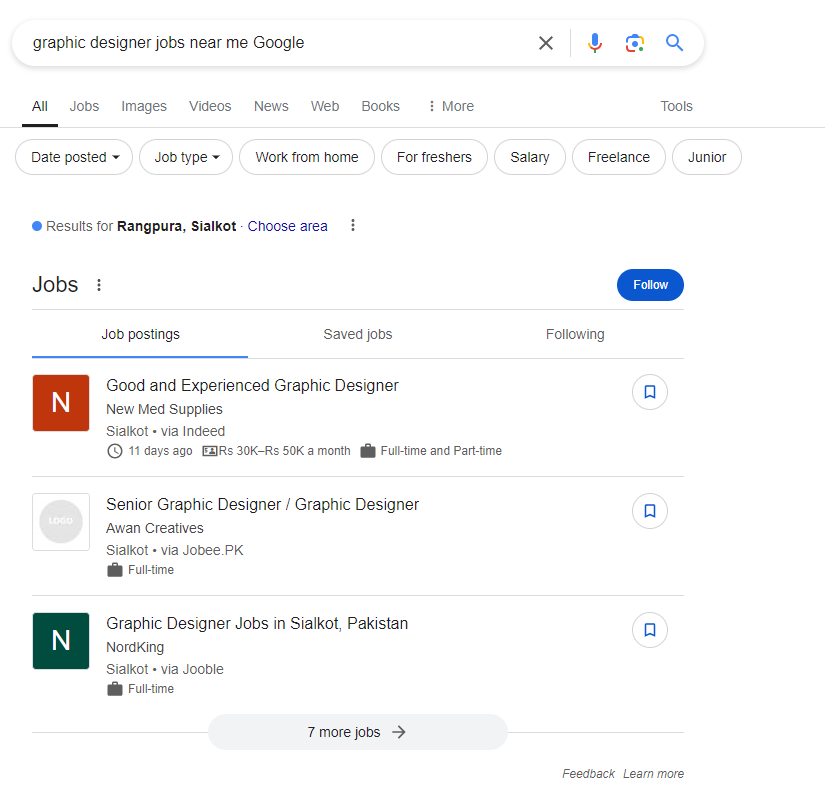
Jobs
Job listings in SERPs are vital for companies looking to attract talent. Optimize job postings with relevant keywords and ensure they are up-to-date to improve visibility among job seekers.
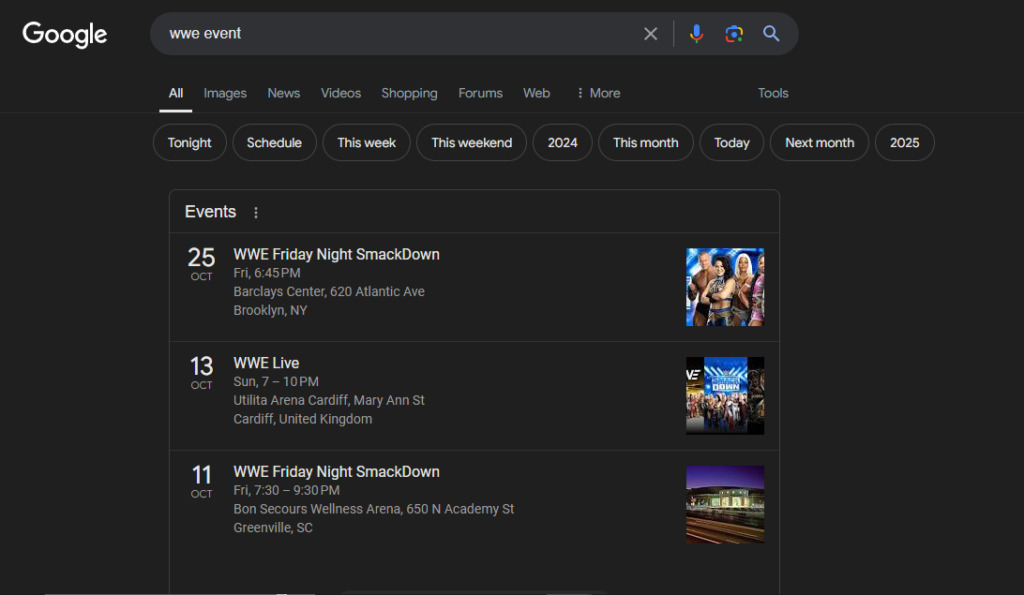
Events
Event listings help businesses promote upcoming events directly in SERPs. Use schema markup to optimize event pages, ensuring they include relevant details such as date, time, and location.
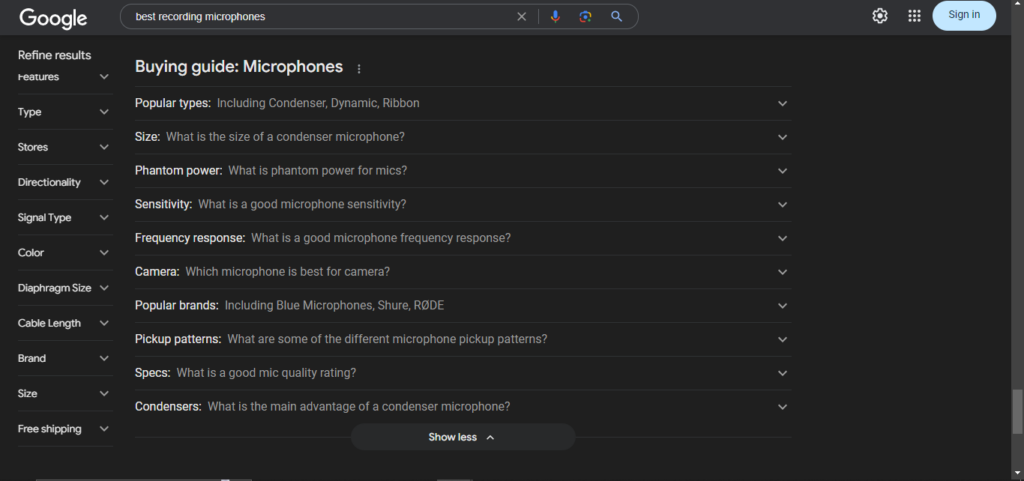
Buying Guide
Buying Guide SERP usually appears when users search for advice or comparisons before making a purchase decision. These results may include articles or blog posts from trusted sites, such as “Best TVs in 2024 Buying Guide” or “Ultimate Smartphone Buying Guide.” It may include snippets from multiple sources, offering product features, pros/cons, and recommendations.
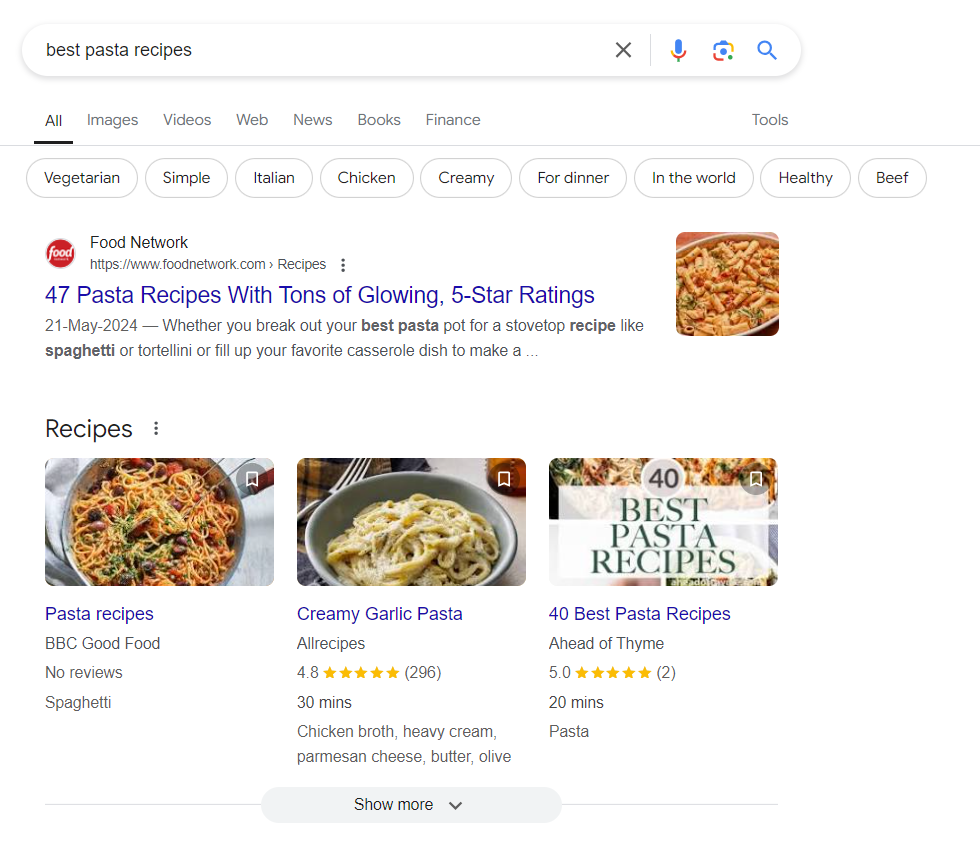
Recipes
Recipe listings appeal to users seeking culinary inspiration. Ensure recipe content is well-structured and includes relevant keywords and high-quality images to attract clicks.
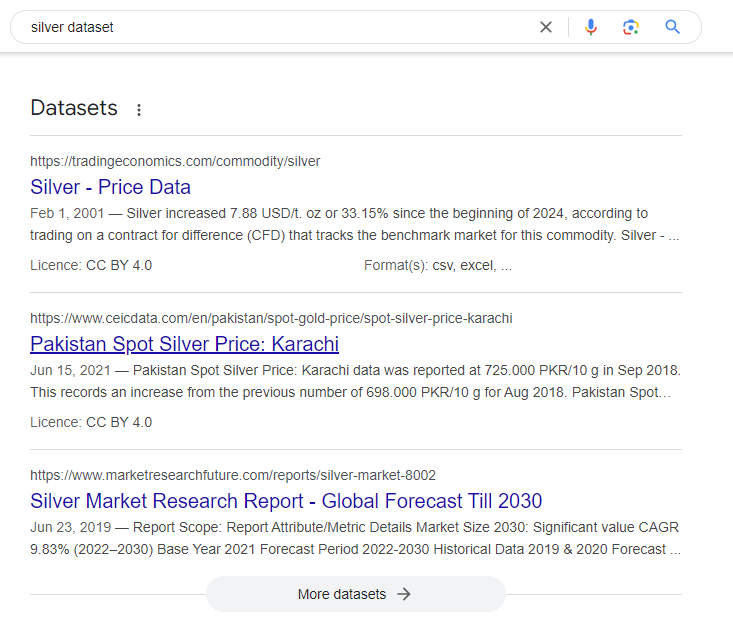
Datasets
Datasets offer valuable insights for research-based searches. Ensure your datasets are accessible and clearly presented to improve discoverability.
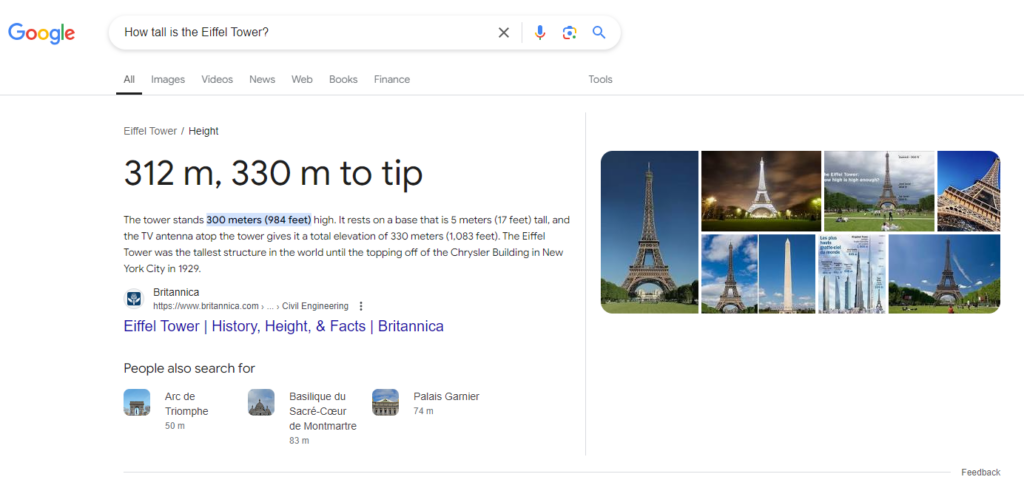
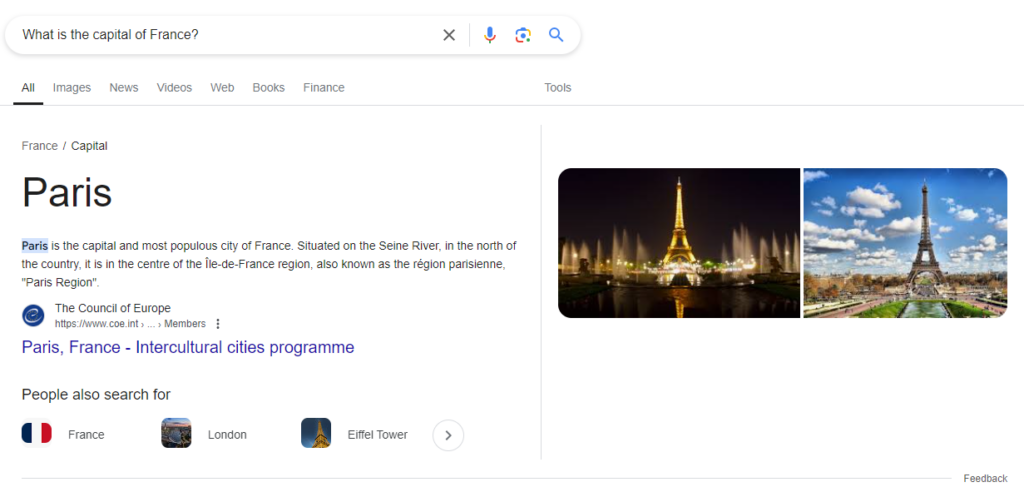
Instant Answer
Instant answers deliver quick responses to user queries, significantly enhancing user satisfaction. Craft concise, authoritative content that directly addresses common questions to increase your chances of being featured as an instant answer.
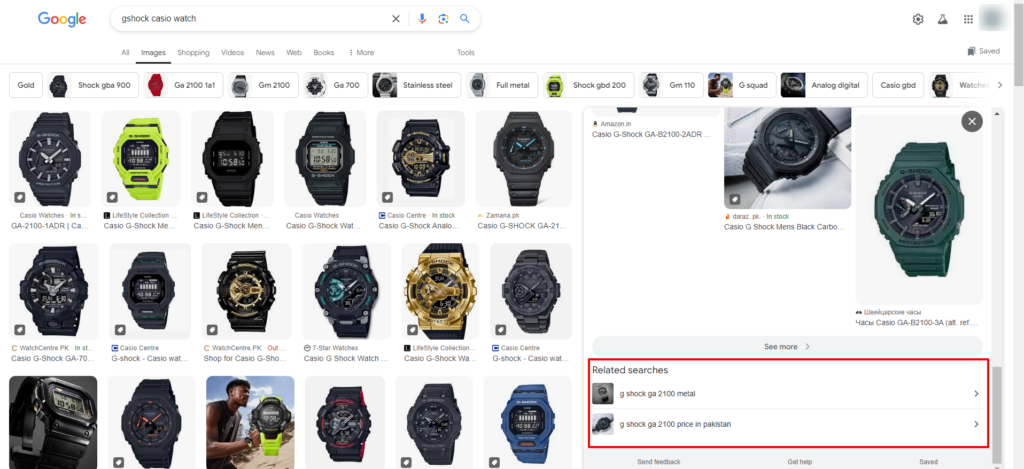
Related Searches
Related searches guide user intent by suggesting additional queries. Creating content that aligns with these related searches can enhance visibility and drive additional traffic.
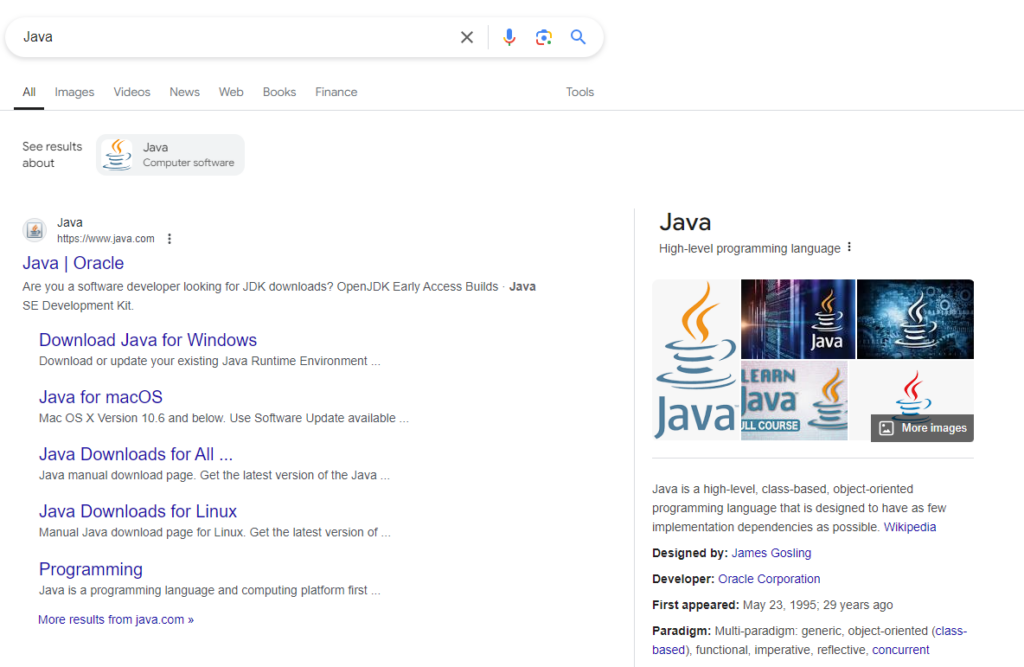
See Results About
The “See Results About” feature directs users to explore further information related to their query. Optimize your content with relevant keywords to increase your chances of being featured here.
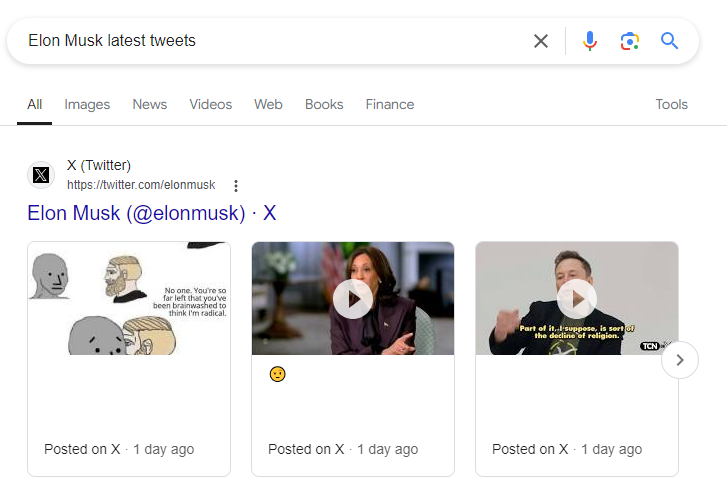
X Twitter
The Twitter SERP (also called “X Twitter” due to the rebranding) appears when Google pulls in relevant tweets or X posts related to the search query, often appearing for current events or trending topics.
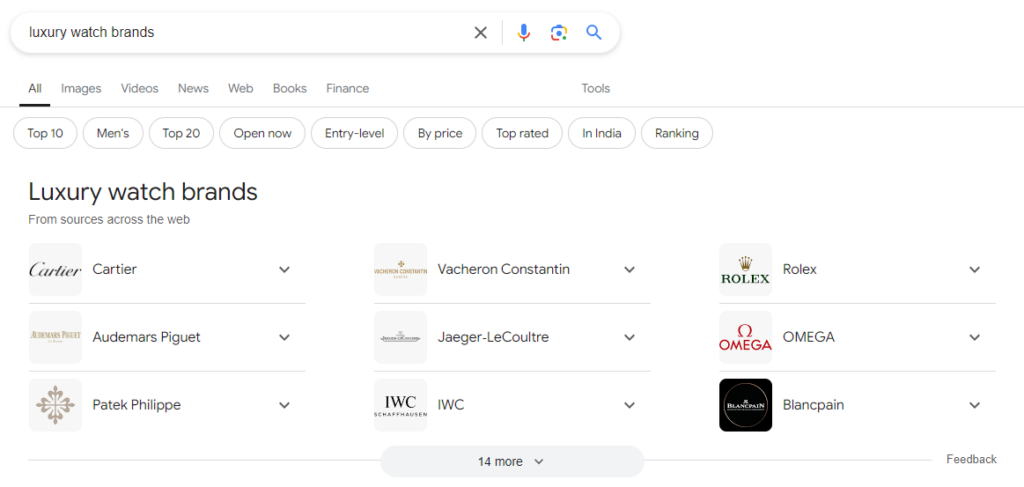
Explore Brands
This SERP format helps users discover brands for a specific product or service. It typically showcases a list of well-known brands that Google believes are relevant to the search query.
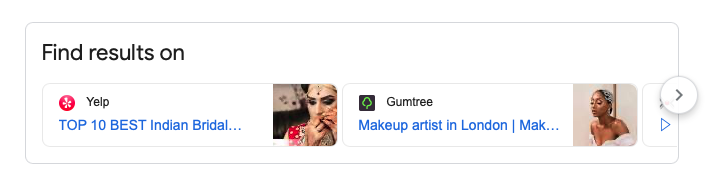
Find Results On:
The Find Results On SERP is a unique box that suggests external sites where you can find relevant content. For example, if you search for something product or service-related, Google may suggest checking results on Yelp, Amazon, or other external sources.
Conclusion
Understanding and optimizing for various SERP features is crucial for businesses seeking to boost their online presence. By implementing the strategies outlined in this guide, you can unlock the full potential of SERPs, enhancing visibility, engagement, and ultimately driving more traffic to your website. Stay ahead of the competition by continuously refining your approach and adapting to the ever-evolving landscape of search engines.