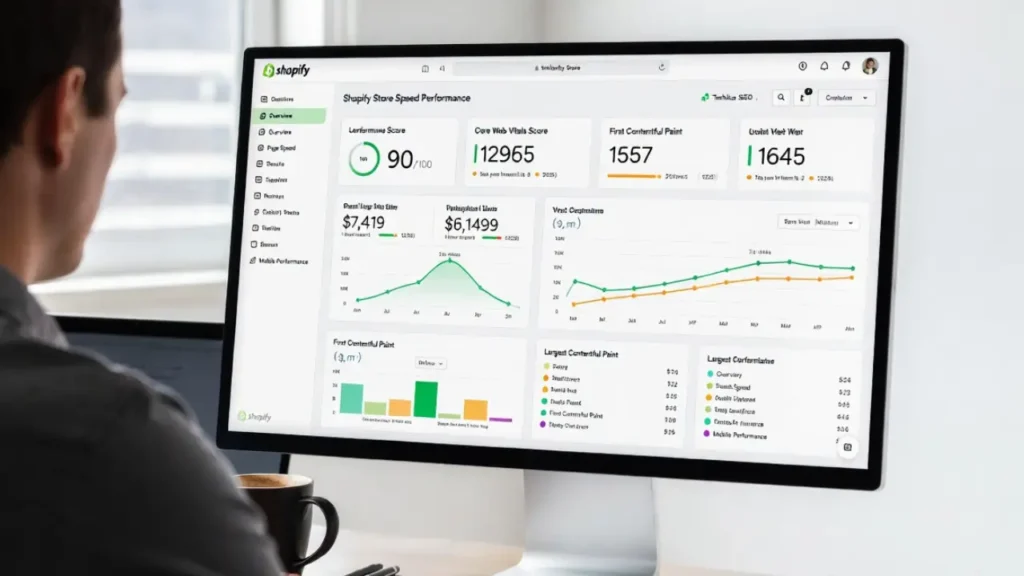
SEO Audit Tools are essential for identifying technical issues that prevent your website from ranking higher in search engines. Even high-quality content cannot perform well if technical SEO problems block crawling, indexing, or performance.
A proper technical audit helps you uncover:
- Crawl errors
- Broken links
- Redirect chains
- Duplicate content
- Slow page speed
- Indexing issues
- Core Web Vitals problems
In this guide, we will explore the 10 best technical SEO audit tools and explain how each one helps improve your website’s search performance.
Why SEO Audit Tools Matter for Technical SEO
Technical SEO is the backbone of organic visibility. Without proper audits, websites often suffer from hidden structural issues.
If search engines cannot crawl your site properly, rankings will drop. As discussed in our guide on
How Website Crawlers Work: A Technical SEO Perspective,
crawl efficiency directly impacts search visibility.
Regular technical audits ensure:
- Clean site architecture
- Optimized internal linking
- Healthy server responses
- Proper redirect implementation
10 Best SEO Audit Tools for Technical Optimization
1. Google Search Console
Google Search Console is a free and essential SEO audit platform provided by Google.
- Index coverage reports
- Crawl error tracking
- Core Web Vitals insights
- Manual action alerts
- Sitemap monitoring
It provides direct feedback from Google about how your website performs in search. Every technical SEO strategy should begin here.
2. Screaming Frog SEO Spider
Screaming Frog is one of the most powerful desktop crawling tools.
- Full website crawl
- Redirect chain detection
- Broken link reports
- Canonical analysis
- Meta data extraction
It simulates search engine crawling behavior and helps identify structural issues before they impact rankings.
3. Ahrefs Site Audit
Ahrefs offers a comprehensive technical audit module within its SEO suite.
- Health score
- Crawl reports
- Internal linking analysis
- Structured data validation
It provides actionable insights and prioritizes issues based on severity.
4. SEMrush Site Audit
SEMrush is widely used for competitive analysis and technical audits.
- Technical SEO error reports
- HTTPS implementation checks
- AMP validation
- Structured data testing
It categorizes issues into errors, warnings, and notices, making optimization easier.
5. Sitebulb
Sitebulb is a powerful visual technical SEO auditing tool.
- Visual crawl maps
- Internal link flow charts
- JavaScript crawling
- Hreflang validation
Its visual data helps understand crawl structure and site architecture.
6. GTmetrix
GTmetrix focuses on website performance and speed optimization.
- Page speed analysis
- Core Web Vitals tracking
- Performance grading
- Waterfall breakdown
Speed directly impacts crawl budget and rankings.
7. PageSpeed Insights
Google PageSpeed Insights analyzes performance from a real user perspective.
- Mobile & desktop scores
- Core Web Vitals metrics
- Performance improvement suggestions
Technical performance is a ranking factor.
8. DeepCrawl (Lumar)
DeepCrawl is an enterprise-level technical SEO platform.
- Large-scale site crawling
- Log file analysis
- JavaScript rendering checks
- Automation reports
Best suited for large websites with thousands of URLs.
9. OnCrawl
OnCrawl combines log file analysis with traditional SEO crawling.
- Bot behavior analysis
- Crawl budget optimization
- Indexation monitoring
Log analysis helps understand how search engines actually crawl your site.
10. Google Lighthouse
Google Lighthouse is built into Chrome DevTools.
- Performance scoring
- Accessibility checks
- SEO evaluation
- Best practices audit
It gives technical improvement recommendations directly from Google’s standards.
How SEO Audit Tools Improve Crawl Efficiency
Technical SEO audits improve:
- Crawl paths
- Indexation rates
- Internal link structure
- Redirect management
For example, incorrect redirect setups can damage rankings. Learn more in our detailed guide on
11 Types of Redirects & Their SEO Impact.
Key Technical Areas You Should Always Audit
Regardless of the tool, focus on these areas:
1. Crawl Errors
Fix 404 pages, server errors, and blocked resources.
2. Redirect Chains
Ensure clean redirect paths.
3. Duplicate Content
Use canonical tags correctly.
4. Site Architecture
Maintain shallow depth and strong internal linking.
5. Structured Data
Implement JSON-LD properly to enhance search appearance. Learn more in
Structured Data & JSON-LD Automation for Dynamic Websites.
How Often Should You Run a Technical SEO Audit?
- Small websites: Every 3 months
- Medium websites: Monthly
- Large websites: Weekly monitoring
Regular audits prevent technical debt from accumulating.
Choosing the Right SEO Audit Tools
Your choice depends on:
- Website size
- Budget
- Technical expertise
- Business goals
For small businesses, Google Search Console + Screaming Frog is often sufficient. For enterprise websites, combining Ahrefs, SEMrush, and log file analysis tools provides deeper insights.
Common Mistakes When Using SEO Audit Tools
- Ignoring low-priority warnings
- Fixing cosmetic issues before critical errors
- Not updating sitemaps after fixes
- Overlooking JavaScript rendering problems
- Failing to monitor crawl stats
Final Thoughts
SEO Audit Tools are the foundation of a strong technical SEO strategy. They uncover hidden issues, protect crawl efficiency, and help maintain stable rankings.
Without regular technical audits, websites risk:
- Indexing loss
- Traffic decline
- Crawl waste
- Ranking drops
By using the right tools and implementing consistent monitoring, you ensure long-term search visibility and technical health.
Need Professional Help?
If you want expert support: Contact Cope Business.