In today’s fast-paced e-commerce world, staying competitive means embracing new technologies and trends. One of the most transformative trends? Marketing automation. By automating repetitive tasks, segmenting audiences more precisely, and delivering highly personalized experiences, businesses can boost efficiency and grow their revenue.
But as the world of e-commerce continues to evolve, so do the tools and strategies available to marketers. In this guide, we’ll dive into the future trends in marketing automation that are set to shape e-commerce businesses. We’ll explore each trend, provide actionable insights, and share practical tips to help you stay ahead of the curve.
1. AI-Powered Personalization: The Future of Targeted Marketing
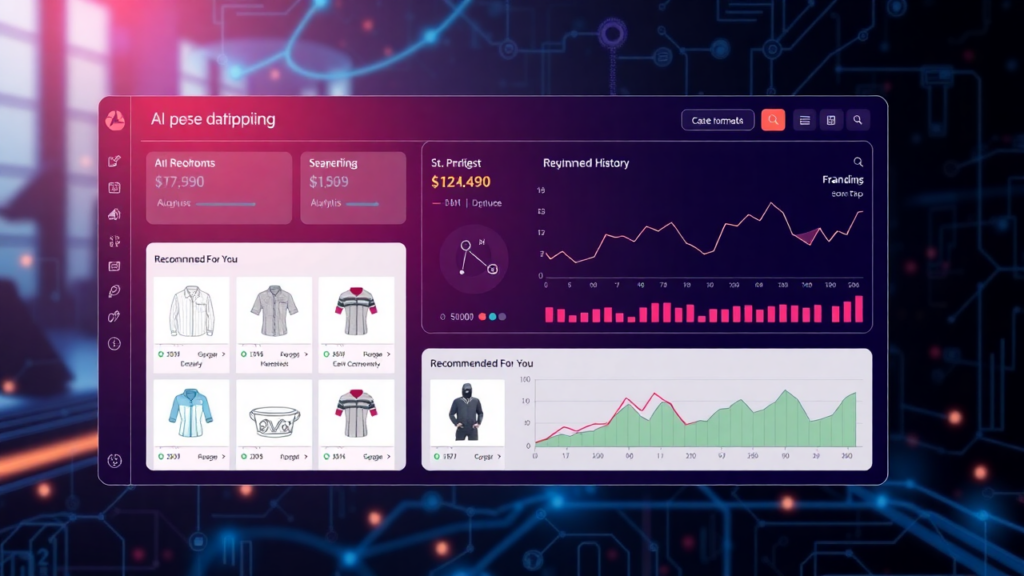
Customers today are looking for more than just a product; they want a shopping experience that feels tailored just for them. But creating that experience manually is a huge task. This is where AI-powered personalization comes in.
Why It Matters:
AI is capable of analyzing huge amounts of customer data, from purchase history to browsing behavior, and using that information to create individualized marketing strategies. With AI, you can recommend the right products at the right time, making it more likely that your customers will convert.
Actionable Insight:
- Use predictive analytics: Tools like Google Analytics or HubSpot can predict customer behavior and help automate product recommendations.
- Segment your audience: Create buyer personas based on data points like age, location, and previous interactions. With automation tools like Klaviyo or ActiveCampaign, you can send personalized emails that really speak to your audience.
Example: Let’s say a customer frequently buys fitness equipment. With AI-powered automation, you can send them personalized emails featuring new fitness gear, discounts on related products, or even a flash sale for fitness lovers.
2. Voice Search and Chatbots: The Future of Customer Interaction
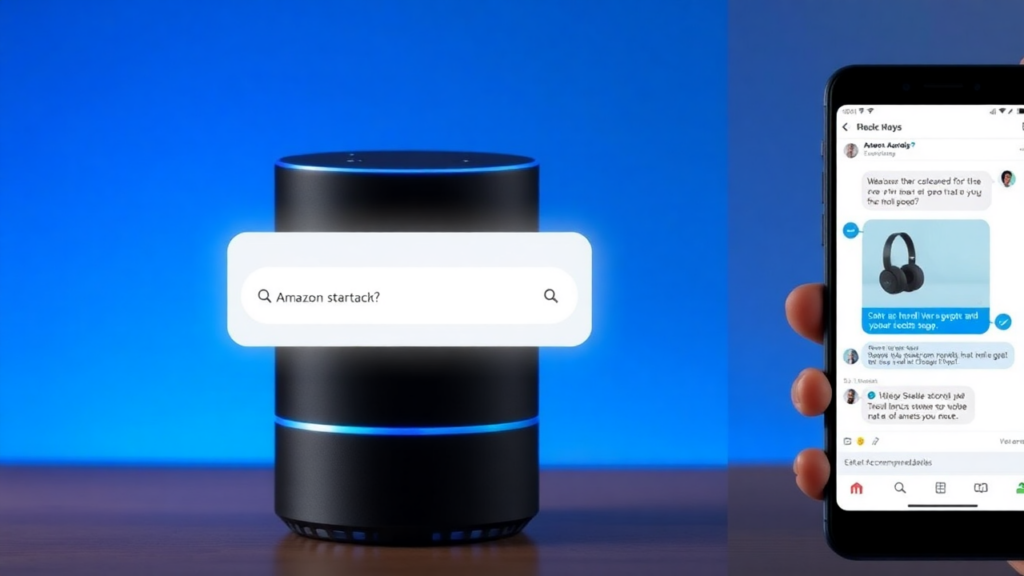
With the rise of smart speakers like Amazon Alexa and Google Assistant, voice search is becoming increasingly important. Additionally, AI-powered chatbots are transforming customer service, enabling brands to engage with their customers in real time.
Why It Matters:
Voice search and chatbots offer customers quicker, more interactive ways to discover products and interact with brands. As these technologies continue to evolve, integrating them into your marketing automation systems can help you engage with your customers at any point in their journey. Optimizing for voice search is essential to improve local SEO, especially for businesses targeting nearby customers.
Actionable Insight:
- Optimize for voice search: Make sure your website is ready for voice queries. These are usually longer and more conversational, so try to use natural language and structure your content around voice search keywords that can boost your SEO rankings.
- Enhance chatbot capabilities: Tools like Drift and Tidio can help you build smart chatbots to answer product questions or even guide customers through the checkout process.
Example: Imagine a customer asking their Alexa, “What’s the best running shoe for a marathon?” Your site, optimized for voice search, not only provides a product recommendation but also links to a blog post with tips for marathon runners. Plus, the chatbot pops up to offer extra help, and before you know it, the customer is making a purchase.
3. Omnichannel Marketing Automation
Today’s shoppers don’t stick to just one platform—they might find you on social media, shop on your website, and then complete their purchase via your mobile app. With omnichannel marketing, you can ensure a seamless experience no matter how or where customers interact with your brand.
Why It Matters:
Automating your marketing across different platforms ensures that your messaging is consistent and relevant everywhere your customers engage. This means a smoother experience for them—and a better chance for you to convert interest into sales.
Actionable Insight:
- Integrate your tools: Use platforms like Omnisend or Shopify Flow to connect all your sales and marketing channels, keeping messaging consistent and workflows automated.
- Map out the customer journey: Understand how your customers interact with your brand. From their first interaction to post-purchase follow-ups, automation can enhance each step of the journey.
Example: Imagine a customer clicks on a Facebook ad for a pair of shoes. They then visit your site and receive a mobile pop-up offering a discount on those same shoes. The integration between your social media and your website makes this entire process feel seamless—and it’s more likely to lead to a sale.
4. Predictive Analytics for Customer Retention
While it’s important to bring in new customers, customer retention is often the key to long-term success. Predictive analytics can help you identify customers who may be at risk of leaving, giving you the chance to re-engage them before they churn.
Why It Matters:
By analyzing historical data and using machine learning algorithms, predictive analytics helps you anticipate customer behavior. You can then use that insight to personalize offers or trigger re-engagement campaigns to keep customers coming back.
Actionable Insight:
- Set up retention triggers: Tools like Customer.io or HubSpot allow you to send automated win-back emails or special offers to customers who show signs of leaving.
- Loyalty programs: Build a loyalty program with tools like Smile.io or Yotpo and automate reward notifications or special offers based on your customer’s lifetime value.
Example: A customer used to shop frequently but hasn’t made a purchase in months. Predictive analytics can trigger an email offering them a personalized discount, encouraging them to return and complete a new purchase.
5. Automated Content Creation and Curation
Creating fresh, engaging content is critical to keeping customers interested and engaged. But generating a constant stream of content can be overwhelming. That’s where AI-powered content writing tools and automated content curation can help.
Why It Matters:
AI-powered tools like ChatGPT, Copy.ai, and Jarvis are making content creation faster and easier. These tools not only help you create content quickly but also ensure it’s relevant and engaging, saving time and resources.
Actionable Insight:
- Automate blog posts and social media updates: Tools like Hootsuite or Buffer can schedule your content, ensuring that it’s shared consistently across platforms.
- AI-driven copywriting: Use AI to generate compelling product descriptions, blog posts, or even promotional emails.
Example: A home décor store uses GPT-4 to automatically generate product descriptions, ensuring each new item is showcased accurately and consistently. The store then uses automation tools to schedule social media posts and share the content, driving traffic back to their site.
6. Real-Time Marketing Automation: Capitalizing on Opportunities
In e-commerce, timing is everything. Real-time marketing automation allows you to act quickly, optimizing conversions during key moments like cart abandonment or limited-time offers.
Why It Matters:
Real-time marketing triggers—like notifications for abandoned carts or live chat support—can significantly boost sales and improve customer satisfaction by addressing immediate needs.
Actionable Insight:
- Set up real-time alerts: Configure your automation system to notify you when customers abandon carts or linger too long on a product page. You can then follow up immediately with a personalized message or offer.
- Use urgency tactics: Incorporate countdown timers or limited-time promotions to create a sense of urgency, encouraging customers to take action quickly.
Example: A customer adds a pair of shoes to their cart but doesn’t complete the purchase. A few minutes later, they receive a push notification offering a limited-time discount on those shoes. The urgency drives them to finalize their purchase.
7. Automated Social Media Marketing
Social media is an essential tool for e-commerce businesses to connect with their audience. But managing posts, engagement, and performance metrics manually can be overwhelming. Automated social media marketing is the solution, allowing you to scale your efforts efficiently.
Why It Matters
Automation ensures your brand stays active and visible, even when your team is offline. Scheduled posts, automated responses to common inquiries, and even dynamic ad placements are all possible with marketing automation tools.
Actionable Insight:
- Use tools like Buffer, Hootsuite, or Sprout Social to schedule posts, monitor engagement, and track performance.
- Automate social media ads to reach the right audiences at the right times.
Example: A fashion retailer uses Hootsuite to schedule Instagram posts, ensuring the brand’s new arrivals are always showcased. Automated responses to comments keep the engagement high, without extra manual work.
8. Mobile Marketing Automation
With more people shopping on mobile devices, mobile marketing automation is essential for staying connected to customers wherever they are. From SMS messages to push notifications and in-app alerts, automating your mobile marketing ensures timely and relevant communication.
Why It Matters:
By automating push notifications, SMS messages, and app alerts, you can keep customers engaged and informed without overwhelming them. Personalized messages sent via mobile channels can drive higher conversion rates.
Actionable Insight:
- Use apps like PushEngage or OneSignal for automated push notifications with product updates, sales alerts, or discounts.
- Platforms like Klaviyo or Postscript enable personalized SMS automation based on user behavior.
Example: An e-commerce store selling gadgets sends an automated push notification to a customer who recently browsed vacuums, alerting them about a limited-time sale on that product. The timely message prompts them to purchase.
9. Automated Funnels: Streamlining the Customer Journey
The customer journey often spans several stages, from discovery to purchase. Automated funnels guide customers through this journey, ensuring they receive the right messages at the right time and helping businesses nurture leads efficiently.
Why It Matters:
Automated funnels eliminate the need for constant manual follow-ups while helping to increase conversion rates and customer retention. By automating the process, you can easily manage each step of the funnel and maximize results.
Actionable Insight:
- Use tools like ClickFunnels or Leadpages to create automated sales funnels that capture leads, send follow-up emails, and recommend products.
- Set up automated email and SMS sequences to remind customers about abandoned carts or promote related products.
Example: A skincare brand uses an automated funnel to nurture leads who signed up for a newsletter but didn’t purchase. After sending several reminder emails with discounts, a percentage of these leads convert into paying customers.
10. Data-Driven Decision Making
Data is a goldmine when it comes to optimizing your marketing strategy. Data-driven decision-making lets you use customer data to guide your strategy and improve results over time.
Why It Matters
Marketing automation platforms generate vast amounts of data. By analyzing this data, businesses can identify trends, understand customer preferences, and adjust campaigns accordingly to maximize ROI.
Actionable Insight:
- Use platforms like Google Analytics or Tableau to track user behavior and measure campaign performance.
- Automate A/B testing within your marketing tools to determine which ad, email, or product recommendation performs best.
Example: A clothing retailer reviews their automated email campaign performance using Google Analytics. By adjusting product recommendations based on customer preferences, they can improve conversions.
11. Data Transfers: Seamless Integration Across Platforms
To stay competitive, your marketing automation tools must work seamlessly with your CRM and e-commerce platforms. Data transfers are crucial for ensuring customer data flows smoothly across systems and for maintaining accurate, up-to-date records.
Why It Matters
Smooth data transfers allow businesses to have a 360-degree view of their customers. It ensures customer details, purchase histories, and interactions are available across all platforms, improving personalization and engagement.
Actionable Insight:
- Use integration tools like Zapier or Integromat to automate data transfers across systems, ensuring consistency and eliminating data silos.
- Make sure your CRM (like Salesforce or HubSpot) integrates well with your e-commerce platform and marketing automation tools.
Example: A customer who adds an item to their cart gets a personalized email reminder with a discount code because their behavior data seamlessly transfers between the e-commerce platform, CRM, and email automation tool.
12. Generative AI
Generative AI is changing the game when it comes to content creation. AI-powered tools can now generate product descriptions, blog posts, social media copy, and more—quickly and at scale.
Why It Matters
Generative AI helps e-commerce businesses keep up with the demand for fresh, high-quality content. It speeds up content creation, reduces resource use, and ensures consistency across all channels.
Actionable Insight
- Use AI tools like GPT-3 (OpenAI) or Copy.ai to automatically generate marketing copy, blogs, or product descriptions.
- Always review AI-generated content to ensure it aligns with your brand’s voice and messaging.
Example: A home décor store uses GPT-4 to generate engaging product descriptions for new items, ensuring each product is showcased clearly and consistently while saving time.
13. CRM Data Reporting
Understanding how your customers interact with your business is crucial. CRM data reporting allows you to analyze customer behavior and uncover insights that can drive your marketing strategies.
Why It Matters
With detailed reports from your CRM system, you can identify customer trends, optimize marketing efforts, and personalize your interactions with customers. It’s a powerful tool for improving decision-making.
Actionable Insight
- Use CRM tools like Salesforce or HubSpot to create custom reports on customer behavior, engagement, and trends.
- Set up automated reporting to track key performance indicators (KPIs) at regular intervals.
Example: A software company uses CRM reports to notice that some customers drop off after a free trial. By adjusting their automated email funnel, they can re-engage those customers and reduce churn.
14. Additional Payment Methods
As e-commerce grows globally, offering additional payment methods is essential. Customers want flexibility when checking out—whether that means using digital wallets like PayPal or Apple Pay, or using buy now, pay later options like Klarna.
Why It Matters
Offering diverse payment options improves the customer experience and increases conversion rates. Marketing automation tools can also trigger reminders or special offers based on the payment methods chosen.
Actionable Insight:
- Integrate payment gateways like Stripe, PayPal, and Klarna to offer flexible options at checkout.
- Use automated reminders to encourage cart abandonment recovery, offering customers the payment methods they prefer.
Example: A global fashion brand offers multiple payment methods like PayPal, Apple Pay, and Klarna at checkout. The automated system tailors the payment options based on the customer’s location, making transactions smoother and faster.
15. AI and Machine Learning for Smarter Campaigns
AI and Machine Learning (ML) are revolutionizing marketing automation by analyzing data and predicting customer behavior. These technologies help create smarter, more targeted campaigns that adjust in real time, enhancing conversion rates and customer engagement.
Why It Matters
AI and ML allow businesses to anticipate customer needs, improve targeting, and optimize marketing strategies on the fly, ensuring greater relevance and effectiveness.
Actionable Insight
Utilize AI-powered tools like Google Analytics or HubSpot to analyze data, predict trends, and refine your campaigns for better results.
Example: An e-commerce business selling tech gadgets uses AI-powered tools to send personalized email offers to customers based on their browsing behavior. The system predicts which products they are most likely to purchase and adjusts the offer accordingly, increasing conversion rates.
Conclusion
Marketing automation is changing the way e-commerce businesses connect with their customers. By adopting trends like AI personalization, predictive analytics, omnichannel marketing, and real-time responses, businesses can improve customer experiences, increase sales, and build strong relationships. Automation helps businesses work more efficiently while delivering personalized experiences to customers at scale. By staying ahead of these trends and updating your strategies, your business will be better prepared for success in the competitive world of e-commerce.