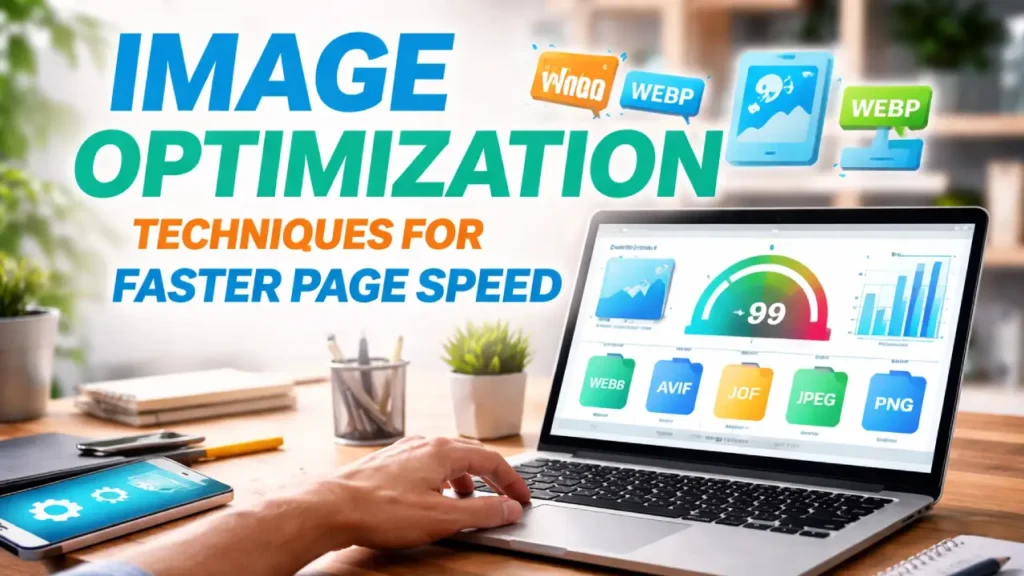
In the competitive world of online business, mastering image optimization techniques for faster page speed has become essential for every website owner. Large, unoptimized images are one of the biggest reasons why websites load slowly, leading to poor user experience and lower search rankings. This comprehensive guide will show you practical, effective image optimization techniques for faster page speed that you can implement today on your WordPress website at www.copebusiness.com.
Whether you run a business site, blog, portfolio, or online store, applying the right image optimization techniques for faster page speed can dramatically improve your loading times, Core Web Vitals scores, and overall SEO performance. Let’s explore everything you need to know.
Why Image Optimization Matters for Page Speed
Images often make up more than 50% of a webpage’s total weight. Without proper image optimization techniques for faster page speed, your site can suffer from slow loading, high bounce rates, and poor Google rankings. Google considers page speed as a direct ranking factor, and unoptimized images negatively affect Largest Contentful Paint (LCP) and Cumulative Layout Shift (CLS).
By implementing smart image optimization techniques for faster page speed, you can reduce file sizes by 70-90% while maintaining excellent visual quality. This leads to faster loading times, better user engagement, and improved conversions.
Understanding Different Image Formats
Choosing the right format is the foundation of effective image optimization techniques for faster page speed:
- JPEG/JPG – Best for photographs and complex images with many colors.
- PNG – Ideal for logos, icons, and images with transparency.
- WebP – Modern format that provides superior compression. WebP is one of the most powerful image optimization techniques for faster page speed available today.
- AVIF – Even better compression than WebP with excellent quality. AVIF represents the future of image optimization techniques for faster page speed.
- SVG – Perfect for logos and icons as they are vector-based and scale infinitely without quality loss.
Converting your images to WebP or AVIF is one of the quickest ways to apply image optimization techniques for faster page speed.
15 Powerful Image Optimization Techniques for Faster Page Speed
Here are proven image optimization techniques for faster page speed you can start using immediately:
- Compress images before uploading – Always reduce file size using tools like TinyPNG or ImageOptim. This is the most basic yet highly effective image optimization technique for faster page speed.
- Convert all images to WebP format – WebP can reduce file sizes by 25-35% compared to JPEG without visible quality loss.
- Use responsive images with srcset – Serve different image sizes based on device screen size. This is a critical image optimization technique for faster page speed on mobile.
- Set correct width and height attributes – Prevents layout shifts and improves CLS scores.
- Implement lazy loading – Load images only when they enter the viewport. Lazy loading is one of the most important image optimization techniques for faster page speed.
- Preload above-the-fold images – Use preload links for hero images to improve LCP.
- Choose the right image dimensions – Never upload images larger than they will be displayed.
- Use CDN for image delivery – Deliver images from servers close to your visitors using Cloudflare or similar services.
- Enable browser caching for images – Set proper cache headers so returning visitors load images faster.
- Minify and combine CSS sprites – Combine multiple small icons into one sprite image.
- Remove unnecessary metadata – Strip EXIF data to reduce file size without affecting quality.
- Use progressive JPEGs – Images load gradually from low to high quality, improving perceived performance.
- Optimize images for Retina displays – Serve appropriate sizes for high-DPI screens.
- Convert GIFs to video – Animated GIFs are extremely heavy; converting them to MP4 can reduce size dramatically.
- Regularly audit and clean old images – Delete unused images from your media library to keep your site lightweight.
Each of these image optimization techniques for faster page speed contributes to a faster, more efficient website.
Advanced Image Optimization Techniques for Faster Page Speed
For those looking for maximum performance, consider these advanced image optimization techniques for faster page speed:
- Implement responsive images using the
pictureelement with multiple formats (AVIF, WebP, JPEG fallback). - Use server-side image optimization tools available in modern hosting panels.
- Configure automatic WebP conversion at the server level.
- Apply image compression levels intelligently based on image type and usage.
- Combine multiple image optimization techniques for faster page speed with proper caching strategy.
How Image Optimization Affects Core Web Vitals
Proper image optimization techniques for faster page speed directly impact your Core Web Vitals:
- LCP – Optimized hero images load faster.
- CLS – Correct dimensions prevent layout shifts.
- INP – Faster overall page loading improves interaction readiness.
Many websites see their PageSpeed scores jump from 60 to 95+ after applying consistent image optimization techniques for faster page speed.
Common Mistakes to Avoid in Image Optimization
Even experienced users make these mistakes that undermine image optimization techniques for faster page speed:
- Uploading full-resolution camera images directly to WordPress.
- Using PNG for photographs instead of JPEG/WebP.
- Forgetting to add width and height attributes.
- Disabling lazy loading on all images.
- Not using a CDN for image delivery.
Avoiding these pitfalls is as important as applying the right image optimization techniques for faster page speed.
Tools and Methods for Image Optimization
While this guide focuses on manual and server-level image optimization techniques for faster page speed, you can combine them with built-in WordPress features and hosting tools for even better results.
Related Resources on Cope Business
To further enhance your website performance, explore these helpful guides from our blog:
Ready to Implement Image Optimization Techniques for Faster Page Speed?
Start applying these image optimization techniques for faster page speed today and watch your website loading times improve significantly. Small consistent changes in how you handle images can lead to massive gains in performance and user satisfaction.
If you need professional help implementing advanced image optimization techniques for faster page speed or a complete website speed audit, our expert team is ready to assist.
View Our WordPress Optimization Services
Get in Touch Today
Remember, mastering image optimization techniques for faster page speed is an ongoing process. Regularly review your images, update your practices, and keep testing your site performance. Your visitors – and Google – will thank you for it.
Final Tip: After applying these image optimization techniques for faster page speed, always retest your site with Google PageSpeed Insights and monitor your Core Web Vitals in Google Search Console.
Frequently Asked Questions
Image optimization is the process of reducing image file sizes while maintaining visual quality. It is crucial for faster page speed because images often account for more than 50% of a webpage’s total weight. Proper image optimization techniques for faster page speed improve loading times, Core Web Vitals scores, user experience, and SEO rankings.
WebP and AVIF are currently the best formats for faster page speed. They offer superior compression compared to JPEG and PNG. For best results, use WebP as the primary format with JPEG as a fallback. This is one of the most effective image optimization techniques for faster page speed.
Well-implemented image optimization techniques for faster page speed can reduce image sizes by 70-90%, often improving overall page load time by 2–5 seconds or more. Many sites see their PageSpeed scores increase from the 50s to 90+ after proper optimization.
Lazy loading is excellent for images below the fold, but you should not apply it to above-the-fold (hero) images. Preload your LCP image instead. This balanced approach is one of the key image optimization techniques for faster page speed.
WebP offers good compression and wide browser support. AVIF provides even better compression (often 20-30% smaller than WebP) with excellent quality, but it has slightly less browser support. Both are powerful image optimization techniques for faster page speed.
Yes, always set explicit width and height attributes on every image. This prevents layout shifts (improves CLS) and is one of the simplest yet most important image optimization techniques for faster page speed.
Absolutely. You can achieve excellent results using manual compression, server-level WebP conversion, proper HTML attributes, and CDN settings. These manual image optimization techniques for faster page speed often perform better than many plugins.
You should optimize new images before uploading them. For existing images, perform a full audit every 3–6 months. Regular application of image optimization techniques for faster page speed keeps your site fast as content grows.
Yes, a CDN significantly improves image delivery speed by serving images from servers closer to your visitors. Combining CDN with proper image optimization techniques for faster page speed gives the best performance results.
If you have hundreds of images, complex layouts, or still can’t achieve good PageSpeed scores after applying these techniques, our team at Cope Business can perform a full audit and implement advanced image optimization techniques for faster page speed.