In today’s competitive digital landscape, technical SEO is crucial for enhancing website performance and improving search engine rankings. While on-page SEO focuses on content and keywords, technical SEO involves optimizing your website’s infrastructure to make it easier for search engines to crawl, index, and rank your site. In this comprehensive guide, we’ll walk you through 15 actionable technical SEO tactics that can have an immediate impact on your search engine performance.
1. Optimize Your Site’s Crawlability
Crawlability refers to how easily search engines can access and navigate through your site. A site that’s difficult to crawl will struggle to rank. Here’s how to enhance crawlability:
- Ensure Clean URL Structure: URLs should be short, descriptive, and avoid excessive parameters.
- Update Robots.txt: This file instructs search engine bots which parts of your site to crawl and which to avoid. Make sure you’re not accidentally blocking important pages.
- Submit an XML Sitemap: An XML sitemap ensures that search engines can efficiently discover and index your important pages.
Immediate Impact: Improved visibility for all key pages in search results.
2. Fix Broken Links (404 Errors)
Broken links can negatively impact both user experience and SEO. Search engines frown upon dead links, and too many of them can hurt your rankings.
- Use Tools: Tools like Screaming Frog or Google Search Console can help you identify 404 errors.
- Redirect Broken Links: Implement 301 redirects to point users and search engines to the correct URL.
Immediate Impact: Enhanced user experience and stronger SEO by ensuring that all internal links lead to live pages.
3. Improve Site Speed and Performance
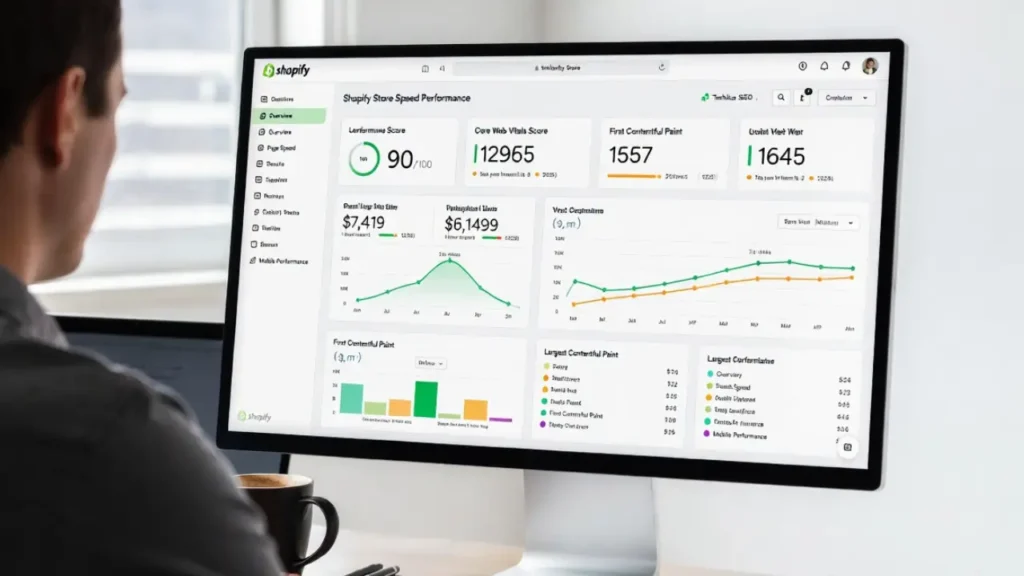
Website speed is a major ranking factor. Faster-loading websites are more likely to rank higher in search engine results and deliver better user experiences.
- Optimize Images: Compress images to reduce load times without sacrificing quality.
- Minify CSS, JavaScript, and HTML: Minifying code reduces the file size of your website and helps it load faster.
- Leverage Browser Caching: Caching allows parts of your website to be stored on a user’s device, speeding up subsequent visits.
Immediate Impact: A faster website that improves rankings and reduces bounce rates.
4. Implement HTTPS for Secure Browsing
Having an HTTPS-secured website is essential for both SEO and user trust. Google gives a ranking boost to secure websites, and HTTPS ensures that any data exchanged between your website and users is encrypted.
- Upgrade to HTTPS: Purchase and install an SSL certificate for your website.
- Redirect HTTP to HTTPS: Ensure that all traffic is redirected from HTTP to HTTPS using 301 redirects.
Immediate Impact: Increased trust and higher rankings as search engines prioritize secure websites.
5. Optimize Mobile Usability
Mobile-friendliness is a key ranking factor. With mobile searches outnumbering desktop searches, optimizing your website for mobile users is crucial.
- Use Responsive Design: Ensure that your website layout adjusts smoothly to different screen sizes.
- Test with Google’s Mobile-Friendly Tool: This tool can help you identify issues affecting mobile usability.
Immediate Impact: Better rankings in mobile search results and an improved experience for mobile users.
6. Enhance Internal Linking
Internal links help search engines understand the structure of your site and the relationship between your pages. They also distribute authority (link equity) across your site.
- Link to High-Value Pages: Ensure that your most important pages are getting link equity by linking to them from other pages.
- Use Descriptive Anchor Text: Avoid generic phrases like “click here” and instead use keyword-rich anchor text.
Immediate Impact: Improved crawling and ranking for high-value pages.
7. Enable Structured Data (Schema Markup)
Structured data helps search engines better understand your website content, leading to rich results (e.g., star ratings, event times) that stand out in search results.
- Use Schema.org Markup: Implement schema for different types of content, such as products, events, or reviews.
- Test Your Structured Data: Use Google’s Rich Results Test tool to ensure the markup is implemented correctly.
Immediate Impact: Enhanced visibility in search results through rich snippets.
8. Fix Duplicate Content Issues
Duplicate content confuses search engines, leading to lower rankings as they struggle to determine which version of a page to prioritize.
- Use Canonical Tags: Implement canonical tags on duplicate pages to signal which version is the authoritative one.
- Avoid URL Parameters: URLs with parameters (e.g., session IDs) can result in duplicate content issues.
Immediate Impact: Better indexing and reduced risk of ranking penalties.
9. Utilize Lazy Loading for Images
Lazy loading delays the loading of images until they’re needed, helping to speed up your website and improve user experience.
- Implement Lazy Load for Off-Screen Images: This technique improves initial page load times, especially on image-heavy pages.
- Use a Lazy Load Plugin (WordPress): If your site runs on WordPress, plugins like WP Rocket can help implement lazy loading effortlessly.
Immediate Impact: Faster load times and improved rankings, particularly for image-rich websites.
10. Optimize Your URL Structure
A clear and simple URL structure makes it easier for both search engines and users to navigate your site.
- Use Short, Descriptive URLs: Avoid overly long or complex URLs that include unnecessary parameters.
- Include Keywords in URLs: Use relevant keywords in your URL to improve search engine understanding.
Immediate Impact: Improved crawlability and increased keyword relevance for ranking.
11. Use Content Delivery Networks (CDNs)
A CDN stores copies of your website on servers located around the world, reducing the distance data has to travel to users and speeding up load times.
- Implement a CDN: Services like Cloudflare or AWS CloudFront can help distribute your content globally.
- Monitor Performance: Use tools like GTMetrix or Pingdom to measure performance improvements.
Immediate Impact: Faster page load times across multiple regions, improving user experience and rankings.
12. Create an XML Sitemap and Submit to Search Engines
An XML sitemap helps search engines understand the structure of your site and prioritize the indexing of important pages.
- Generate a Sitemap: Use tools like Yoast SEO (for WordPress) or Screaming Frog to create an XML sitemap.
- Submit to Google Search Console and Bing Webmaster Tools: Make sure your sitemap is submitted to major search engines for faster indexing.
Immediate Impact: More efficient crawling and indexing of your site’s important pages.
13. Fix Redirect Chains and Loops
Redirect chains occur when one URL redirects to another and then to another, creating a loop. This can waste crawl budgets and slow down page load times.
- Audit Redirects: Use a tool like Screaming Frog to find and fix any chains or loops.
- Implement Direct 301 Redirects: Ensure that redirects point directly to the final URL without unnecessary steps.
Immediate Impact: Better site speed and optimized crawl budget.
14. Optimize for Core Web Vitals
Core Web Vitals are a set of metrics that measure the user experience of your website. These include loading performance, interactivity, and visual stability.
- Improve Largest Contentful Paint (LCP): Ensure that the largest content element on your page loads quickly.
- Reduce First Input Delay (FID): Minimize delays in user interaction by optimizing JavaScript.
- Enhance Cumulative Layout Shift (CLS): Prevent unexpected shifts in page layout by ensuring elements load correctly.
Immediate Impact: Improved user experience and potential ranking boosts as Google prioritizes sites with strong Core Web Vitals.
15. Optimize for International SEO (Hreflang Tags)
If your site serves multiple languages or regions, hreflang tags signal to search engines which language or region-specific content should be displayed.
- Use Hreflang Tags: Add these to your HTML or sitemap to specify the language and region of a page.
- Test Implementation: Use Google’s Hreflang Testing Tool to ensure that tags are correctly applied.
Immediate Impact: Improved rankings in international markets by ensuring users are directed to the correct version of your website.
Conclusion
Technical SEO is a powerful tool for improving the overall health and performance of your website. By implementing these 15 tactics, you can boost your site’s rankings and user experience in a tangible, immediate way. From improving site speed and crawlability to fixing broken links and optimizing for mobile, technical SEO ensures that your website is built on a solid foundation that’s primed for search engine success.