In the competitive digital space, SEO (Search Engine Optimization) is one of the most effective ways for tiles businesses to gain visibility, drive traffic, and boost sales. With more customers searching for ceramic tiles, bathroom tiles, and tile installation services online, SEO is crucial for reaching potential clients and standing out from the competition. This blog will explain the significance of SEO and provide you with on-page optimization strategies for better search rankings.
1. What is SEO and Why Does it Matter for Tiles Businesses?
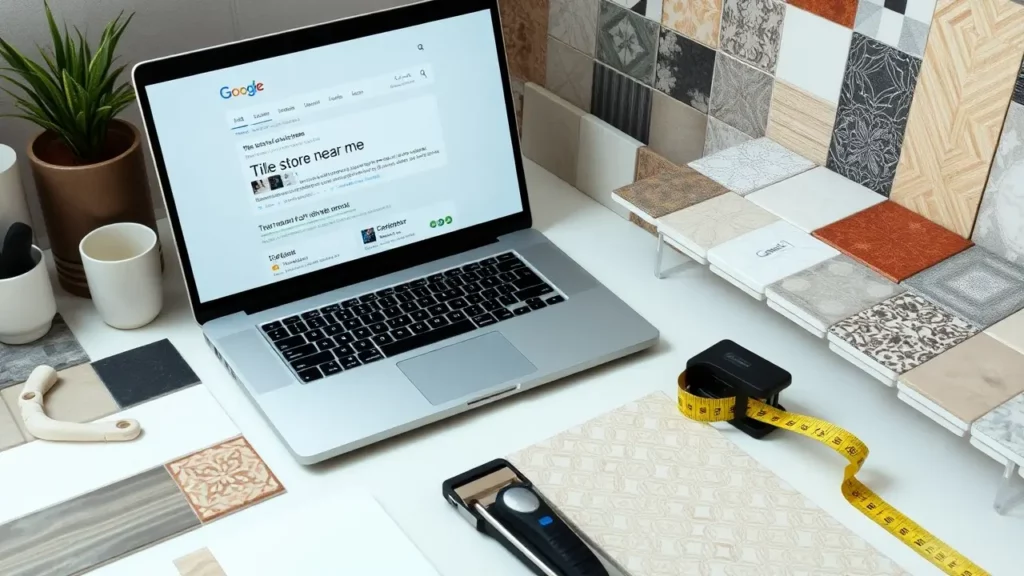
SEO (Search Engine Optimization) is the process of improving a website’s visibility on search engines like Google. The higher your website ranks for relevant keywords, the more organic traffic it receives. For tiles businesses, SEO is vital because:
- It helps you appear in search results when people search for tiles near me, tile suppliers, or ceramic tile installation.
- It establishes your business as credible and relevant to customers who are actively looking for your products or services.
Actionable Checklist for On-Page SEO:
- Ensure your focus keyword (“tiles business,” “tile installation,” etc.) is included in the page title, meta description, and headers (H1, H2).
- Add the focus keyword naturally within the first 100 words of your content.
- Use variations of your main keyword and long-tail keywords (e.g., “best ceramic tiles near me”).
2. How SEO Drives Traffic to Your Tiles Business Website
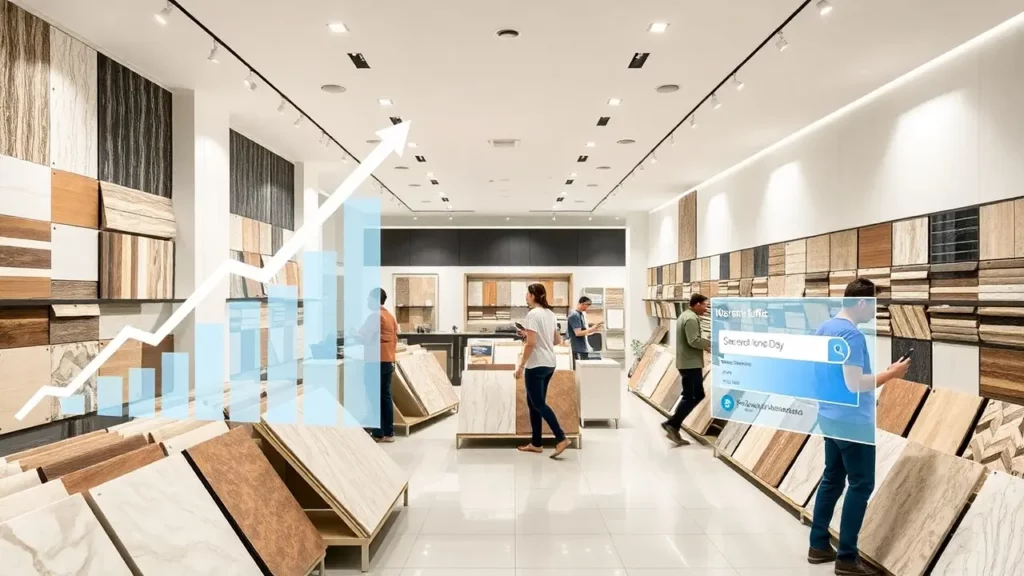
SEO helps drive targeted, organic traffic by improving your website’s ranking on Google. When potential customers search for terms like “buy tiles online” or “tile store near me,” ranking higher for these queries brings more visitors to your site.
Actionable Checklist for On-Page SEO:
- Optimize your product pages with relevant keywords (e.g., “ceramic tiles,” “marble tiles”).
- Write compelling meta descriptions for every page to improve click-through rates (CTR).
- Create optimized image alt texts for all product images to help Google index them for relevant searches.
- Avoid overusing keywords in your content, as search engines may flag it as keyword stuffing. It’s essential to balance keyword use naturally within your content. For example, you might want to explore the topic of Google punishing keyword usage and its implications for SEO practices.
3. Enhancing User Experience Through SEO

An optimized website offers a great user experience (UX), which plays a key role in SEO. Google values websites that are fast, mobile-friendly, and easy to navigate. A seamless UX keeps visitors engaged, reduces bounce rates, and encourages conversions.
Actionable Checklist for On-Page SEO:
- Optimize page speed: Use tools like Google PageSpeed Insights to ensure your website loads quickly. For businesses seeking professional help, page speed optimization services can enhance website performance, reduce load times, and improve overall user satisfaction.
- Ensure your site is mobile-responsive (many customers browse from their smartphones).
- Improve internal linking: Link relevant pages within your site to keep users navigating longer and exploring your offerings.
4. Keyword Research and Content Strategy for Tiles Businesses

Proper keyword research ensures you’re targeting the right audience. Keywords like “tile installation near me”, “tile store,” and “bathroom tiles designs” should be strategically incorporated into your content.
Actionable Checklist for On-Page SEO:
- Use long-tail keywords such as “affordable tile installation services” or “high-quality ceramic tiles for kitchen.”
- Write informative blog posts that answer common questions related to tiles (e.g., “How to choose the best tiles for your bathroom?”).
- Include internal links within your blog posts to other relevant pages, such as tile installation guides or product pages.
5. Understanding Different Types of Tiles for Your Business
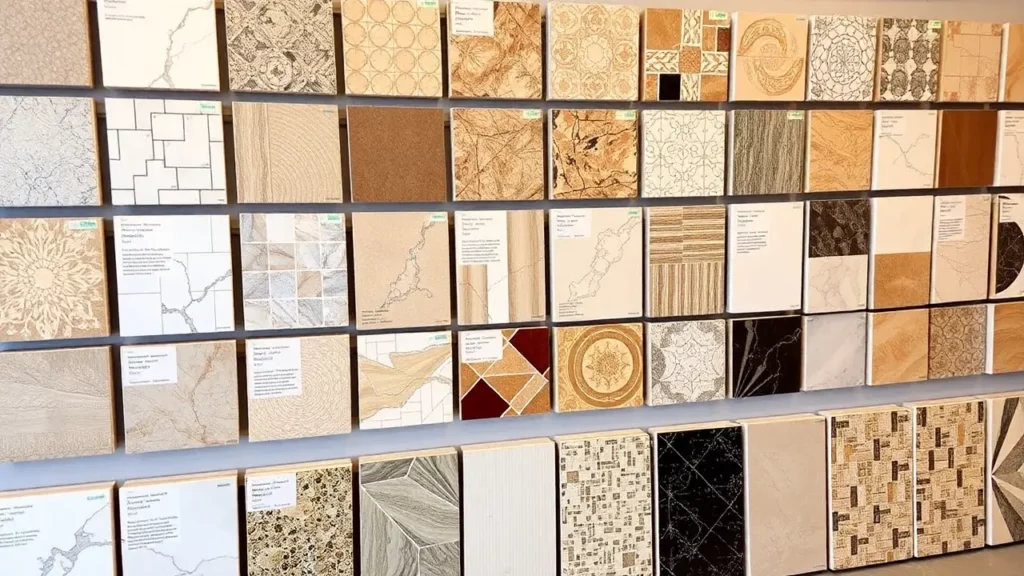
To ensure your website not only attracts traffic but also provides value, it’s important to showcase the variety of tiles available for customers. Mineral Tiles offers a wide selection, and knowing the different types can help you appeal to different customer needs. Here’s an overview of popular types:
1. Porcelain Tiles
Porcelain tiles are dense and durable, fired at extremely high temperatures, making them resistant to water and stains. These tiles are perfect for:
- Kitchens and Bathrooms: Perfect for wet environments due to their water resistance.
- Flooring: Ideal for areas with high foot traffic, ensuring long-term performance.
- Wall Tiles: Sleek finishes make them suitable for walls in both residential and commercial projects.
- Longevity: These tiles are long-lasting and require minimal maintenance, making them a cost-effective choice.
- Design Flexibility: Available in a wide range of styles, from modern minimalistic designs to classic looks, allowing for custom designs tailored to any project.
2. Ceramic Tiles
Ceramic tiles are made from natural clay, offering a variety of colors and patterns. They’re great for:
- Backsplashes: A popular choice for kitchens and bathrooms due to their versatility and aesthetic appeal.
- Wall Applications: Lightweight and easy to install, ceramic tiles are ideal for vertical surfaces.
- Low Traffic Areas: Works well in living rooms and bedrooms, where foot traffic is moderate.
- Affordability: Ceramic tiles are typically more budget-friendly compared to other tile types, providing an excellent option for cost-conscious clients.
- Ease of Installation: Due to their manageable weight and shape, ceramic tiles are often easier to install compared to heavier tile options, reducing labor costs.
3. Glass Tiles
Glass tiles are modern and chic, with a glossy finish that enhances natural light. Common uses include:
- Kitchen Backsplashes: Reflects light and creates a bright space that makes kitchens look larger and more open.
- Bathroom Walls: Sleek and easy to clean, perfect for wet environments.
- Accent Tiles: Adds a touch of elegance to any room, perfect for creating a statement.
- Contemporary Design: Glass tiles are perfect for creating a modern, sophisticated look that elevates the entire aesthetic of any room.
- Customization: Available in a variety of colors and shapes, allowing for personalized designs and color schemes that align with unique styles.
4. Natural Stone Tiles
Natural stone tiles like marble, granite, and slate are ideal for luxurious spaces. These tiles are commonly used for:
- Luxury Flooring: High-end look for residential and commercial spaces, offering durability and elegance.
- Countertops: Popular for kitchens and bathrooms, providing a timeless and luxurious look.
- Feature Walls: Adds a statement piece in any room, often used in foyers, living rooms, or accent walls to bring out architectural beauty.
- Timeless Appeal: Natural stone provides a classic and elegant aesthetic that never goes out of style, offering both sophistication and functionality.
- Unique Patterns: Every natural stone tile has its own distinct texture and veining, creating a truly unique look for each installation.
5. Metal Tiles
These tiles provide an industrial or modern touch, often used for:
- Backsplashes: Durable and easy to clean, metal tiles are perfect for high-use areas like kitchens.
- Bathroom Walls: Provides a sleek and stylish design that can transform a bathroom into a high-end retreat.
- Accent Walls: Ideal for creating a statement, especially in modern or industrial interior designs.
- Durability: Metal tiles are long-lasting and resistant to damage from moisture or heat, making them ideal for harsh environments.
- Reflective Finish: The reflective surfaces of metal tiles can make small spaces appear larger and brighter, giving an elegant yet functional aesthetic.
6. Mosaic Tiles
Mosaic tiles allow for intricate designs and are perfect for:
- Artistic Backsplashes: A popular choice for custom designs, allowing homeowners to add a personal touch to their kitchens or bathrooms.
- Accent Pieces: Adds texture and color, serving as decorative elements that enhance the overall look of a room.
- Swimming Pools: Water-resistant properties make them perfect for pools, creating colorful patterns and designs that complement the water’s sparkle.
- Creative Designs: Mosaics offer endless possibilities for custom, unique patterns that can be tailored to fit any style, whether modern, traditional, or eclectic.
- Versatility: Mosaics come in various materials such as glass, stone, or ceramic, making them highly versatile and suitable for a wide range of applications.
6. Local SEO and Google My Business for Tiles Businesses
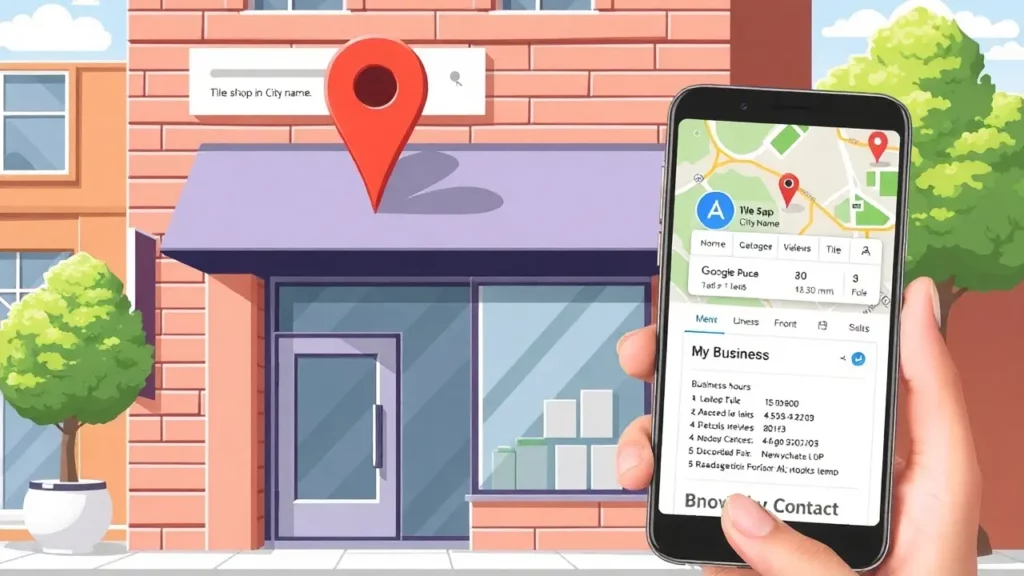
Local SEO is essential for businesses with physical stores. By optimizing your Google My Business (GMB) profile and targeting local keywords, your tiles business can attract nearby customers who are actively searching for tile products and services.
Actionable Checklist for On-Page SEO:
- Claim and optimize your Google My Business profile with accurate business information, images, and reviews.
- Use local keywords (e.g., “tile shop in [City Name],” “tile installation services near me”) on your homepage and local landing pages.
- Embed Google Maps on your contact page to enhance local SEO.
7. The Role of Backlinks in SEO for Tiles Businesses

Backlinks from reputable websites enhance your domain authority and improve rankings. For tiles businesses, backlinks can be obtained by collaborating with influencers, guest posting on industry blogs, and being featured on home improvement websites.
Actionable Checklist for On-Page SEO:
- Add external links to high-authority websites relevant to the tile industry.
- Encourage local businesses or blogs to link to your product pages or guides.
- Participate in industry collaborations and link back to your site from those partnerships.
8. Measuring SEO Success: Key Metrics to Track
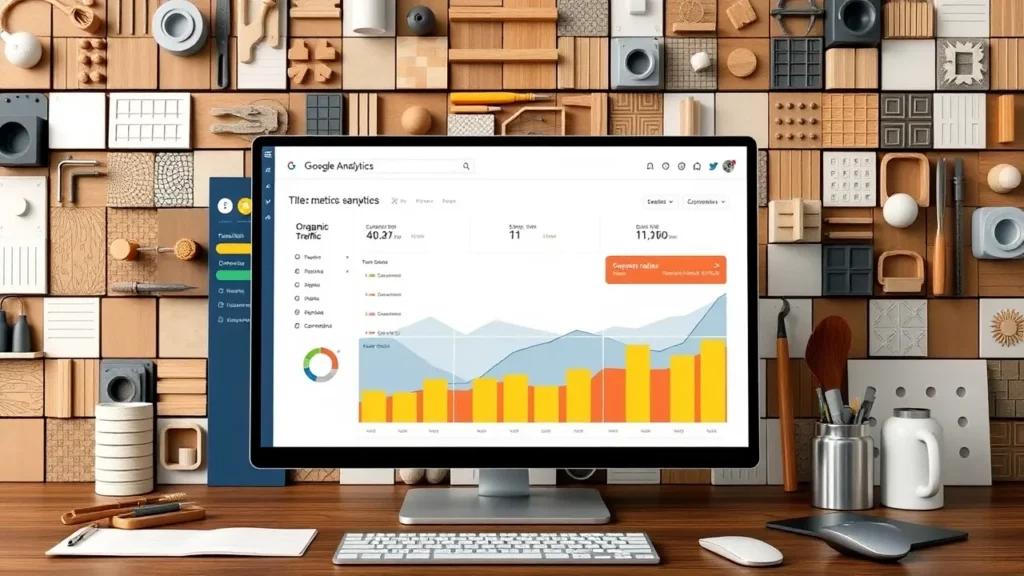
To determine whether your SEO efforts are working, you need to track key metrics such as organic traffic, bounce rate, and conversion rate.
Actionable Checklist for On-Page SEO:
- Use Google Analytics to monitor organic traffic and page performance.
- Track the bounce rate to see if visitors are staying on your pages or leaving too quickly.
- Set up conversion tracking to measure how many visitors are taking action (e.g., purchasing tiles or requesting quotes).
9. Case Studies: SEO Success Stories in the Tiles Industry
Numerous tiles businesses have successfully used SEO to boost traffic and sales. For instance, a local ceramic tile supplier optimized their website for keywords like “best ceramic tiles for kitchen” and saw a 40% increase in online orders in just six months.
Actionable Checklist for On-Page SEO:
- Include real-life case studies or testimonials on your website to build trust with potential customers.
- Use schema markup to make these case studies appear more prominently in search results (e.g., star ratings, reviews).
Conclusion
SEO is a vital tool for tiles businesses that want to increase traffic, sales, and online visibility. By focusing on the right keywords, optimizing local SEO, improving user experience, and tracking key metrics, you can ensure your website ranks higher and attracts the right customers. Start implementing these strategies today and watch your tiles business grow and thrive in the competitive digital marketplace.