In the ever-evolving world of digital marketing, businesses constantly face the challenge of figuring out the best strategies to reach and engage their target audience. Two terms that often come up in this context are inbound marketing and content marketing. Both approaches aim to attract, engage, and convert potential customers, but they differ in their scope and execution.
If you’re wondering, inbound marketing vs content marketing—which one should you choose for your business? You’ve come to the right place. This article will break down both strategies, highlight their key differences, and help you decide which one aligns best with your goals.
What is Inbound Marketing?
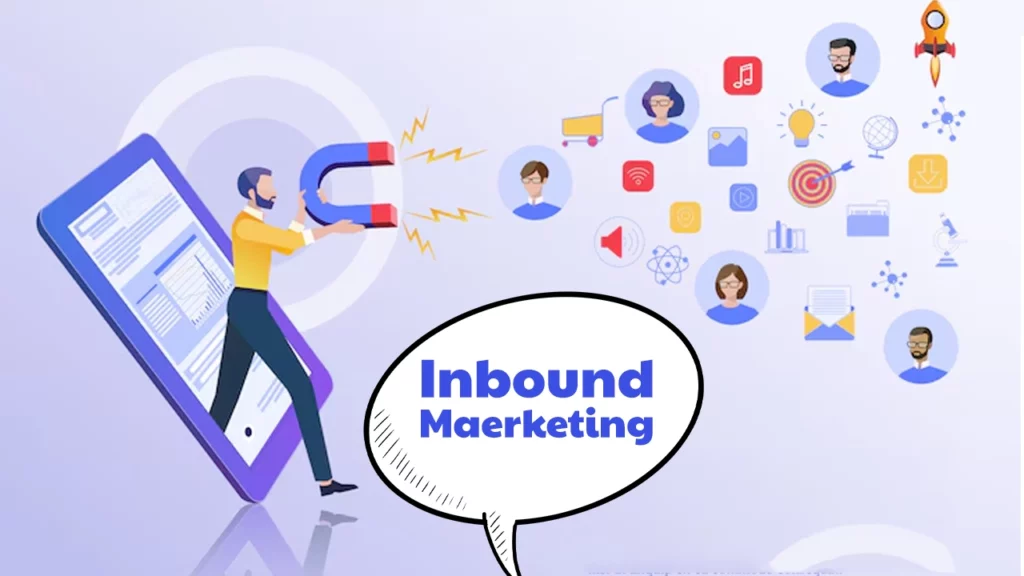
Inbound marketing is a holistic strategy designed to draw customers to your business naturally through content, social media, SEO, and other online techniques. Rather than interrupting the consumer’s day with ads or cold calls, inbound marketing focuses on creating valuable content and experiences that attract prospects to your business.
The core idea behind inbound marketing is that when you provide potential customers with the information they need at the right time, you establish trust, build long-term relationships, and increase the chances of converting leads into customers. It’s all about being helpful, relevant, and timely.
Key Components of Inbound Marketing
Inbound marketing consists of four main stages:
- Attract: The first step is attracting the right people to your business. This is achieved through content marketing (like blogs, videos, and social media), SEO, and paid ads that align with the interests of your ideal audience.
- Convert: Once you’ve attracted your target audience, the next step is to convert them into leads. This often involves offering valuable resources such as eBooks, webinars, or whitepapers in exchange for contact information (like an email address).
- Close: At this stage, you nurture the leads you’ve captured through email marketing, marketing automation, and sales strategies. The goal is to move the leads down the funnel, eventually turning them into paying customers.
- Delight: After the sale, the journey doesn’t stop. Inbound marketing focuses on delighting your customers by continuing to provide valuable content, encouraging referrals, and building long-term relationships.
Inbound marketing leverages a mix of tactics, with content marketing being a critical part of the attract and convert stages.
What is Content Marketing?
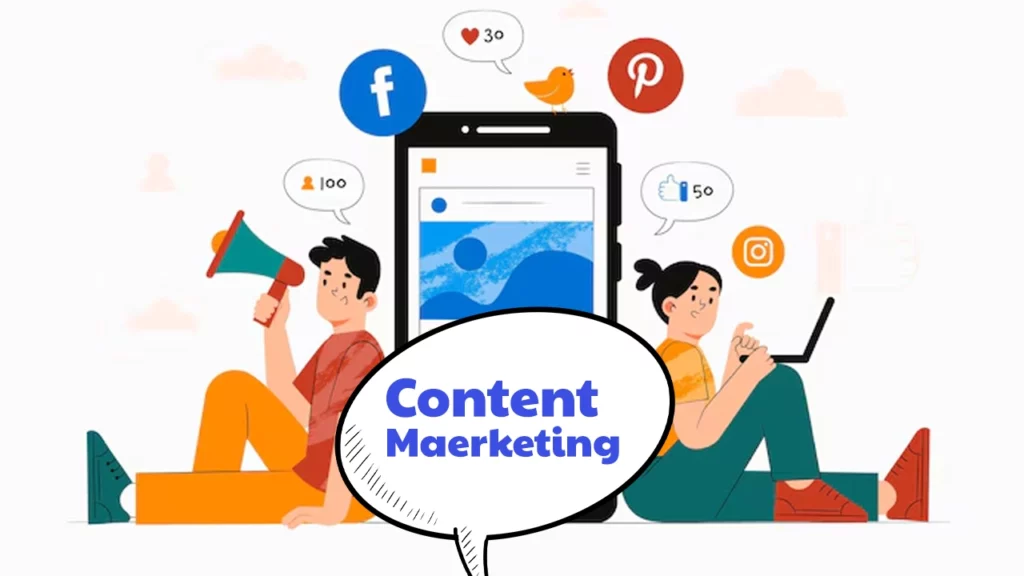
On the other hand, content marketing refers to the creation and distribution of valuable, relevant, and consistent content aimed at attracting and retaining a clearly defined audience. While it can be a part of inbound marketing, content marketing can also exist as a standalone strategy.
Content marketing focuses specifically on delivering high-quality, engaging content—such as blogs, videos, infographics, or podcasts—that resonates with your target audience’s pain points, questions, and needs. It’s not just about creating content for the sake of it but ensuring that your content provides value and speaks to the right people.
Key Components of Content Marketing
- Content Creation: The backbone of content marketing is the creation of high-quality content that answers questions, educates, and entertains. Content can range from blogs and social media posts to videos and webinars.
- Content Distribution: Once the content is created, the next step is to distribute it across various platforms (like social media, websites, or email newsletters) to reach your audience.
- Audience Engagement: Content marketing thrives on interaction. Engaging with your audience through comments, social shares, and feedback helps to build relationships and foster loyalty.
- Measurement: Effective content marketing also involves tracking and analyzing performance metrics to understand what content works best and continuously improve your approach.
Content marketing’s primary goal is to build trust with your audience by delivering valuable content consistently. It’s also highly adaptable, which means it can be adjusted based on the needs of your audience and the data you gather.
Inbound Marketing vs Content Marketing: Key Differences
Now that we have a clearer understanding of what each term means, let’s delve into the key differences between inbound marketing and content marketing. While there is overlap, the two strategies have distinct characteristics.
1. Scope and Focus
- Inbound Marketing: Inbound marketing is a broader, more comprehensive strategy that encompasses a range of tactics designed to attract, convert, close, and delight customers. Content marketing is a crucial part of this strategy but doesn’t cover all the aspects that inbound marketing includes, such as lead nurturing, sales follow-ups, and customer retention efforts.
- Content Marketing: Content marketing, while highly effective, focuses mainly on content creation and distribution. It’s often seen as the engine of inbound marketing, providing the valuable resources that draw customers to your business. It does not inherently include the other stages of the customer journey, like closing and delighting customers.
2. Objective
- Inbound Marketing: The primary objective of inbound marketing is to attract leads and guide them through every stage of the sales funnel—from initial awareness to post-purchase delight. The strategy is meant to provide a holistic experience for potential customers, ensuring that they get the right content at the right time.
- Content Marketing: The main objective of content marketing is to build trust, authority, and relationships with your audience through valuable content. While it helps move customers through the funnel, its core focus is not necessarily to drive them all the way from awareness to purchase.
3. Tactics Involved
- Inbound Marketing: Inbound marketing is an integrated approach, combining various tactics such as SEO, content marketing, social media marketing, email marketing, and marketing automation. The goal is to create a seamless experience across multiple touchpoints, keeping potential customers engaged throughout their journey.
- Content Marketing: Content marketing is a more focused approach, relying heavily on creating and distributing engaging content. It doesn’t necessarily require the use of multiple channels, but it can be enhanced when integrated with other strategies like SEO or email marketing.
4. Lead Nurturing
- Inbound Marketing: One of the key features of inbound marketing is lead nurturing. As potential customers engage with your brand, inbound marketing uses strategies like personalized emails, marketing automation, and CRM (Customer Relationship Management) tools to move them through the funnel.
- Content Marketing: While content marketing can certainly nurture leads, it doesn’t focus as much on automated or personalized follow-ups. Instead, it provides value at each stage through blog posts, videos, and other content types that help address customer pain points.
Which Strategy Should You Choose: Inbound Marketing vs Content Marketing?
At this point, you’re probably asking: Which one should I choose—Inbound marketing or content marketing? The truth is that these two strategies should work together for the best results.
- Go with Inbound Marketing if you’re looking for a comprehensive strategy that covers the entire customer journey. Inbound marketing is perfect for businesses that want to attract, convert, close, and delight customers across multiple channels.
- Go with Content Marketing if your primary focus is on creating high-quality, valuable content to engage your audience and drive organic traffic. It’s ideal if you’re starting out and need a content-first approach.
In many cases, businesses will benefit from using both strategies. Content marketing fuels the inbound marketing process by providing valuable content that attracts and engages visitors. Inbound marketing, on the other hand, leverages that content to create a holistic experience that guides leads through the entire funnel.
Conclusion
In the debate of inbound marketing vs content marketing, the best approach is to combine the strengths of both strategies. While content marketing is an essential element of inbound marketing, inbound marketing takes it a step further by providing a more comprehensive, integrated approach to attracting, converting, and retaining customers.
So, whether you’re focusing on building authority through great content or planning to nurture leads across multiple touchpoints, both strategies are key to digital marketing success. By using them in tandem, you can create a powerful, long-lasting relationship with your audience and enjoy the long-term benefits of increased conversions, brand loyalty, and business growth.